Showing posts with label gluten-free. Show all posts

Friday, April 24, 2026

Bad Poetry: Desserts

This post combines the prompt at Napowrimo.net ("something magical and strange that happens at night, and could be a dream, but feels lifelike") and the one at Poets & Storytellers United ("something about desserts, or just desserts"). The dream is one I really had. The rest of the story also happened, but later.

In a dream I held out a plate to take
A slice of the very most fanciful cake
Ever. Little beads of sugar ran round and round,
Colored or gilt. The top was a mound
Of icing and candies. "Vanilla?" I said,
Taking a bite. "Why--it's just cold cornbread!"

I went to the kitchen, and there I made
A salad of fresh fruit in circles arrayed:
Green grapes and tangerine, strawberry slices,
June apple, banana, and raspberries; spices
Not needed, just a few squeezes of lemon
And sprinkle of sugar to please all the women

Expected for luncheon. And please them it did.
It pleased my palate, too. Only one dear old kid
Wanted no fruit but cookies just out of a box.
This was good; it left just enough. Fruit salad rocks.
None of it was left over. I thought I could eat
The whole thing by myself, but I'm glad, now, they beat

Me to that salad's finish. Some food treats are best
Enjoyed when there's just enough for all the rest
And those six perfect bites give delight that's unique,
Not compared with the leftovers eaten all week.
That way memories of the best dessert you ever made
Stay piquant and perfect, and never do fade.


Photo from Google, where it's credited to Natasha's Kitchen. Google has dozens of photos of fruit salads that aren't mine...enough to inspire any cook, whatever may be in the kitchen. Any good fresh unsprayed fruits, alone or together, are likely to become a great, memorable summer dessert.

Thursday, September 25, 2025

Meet the Blogroll: Bethany (Vegan Venus)

I am not a vegan. I live and share food with obligate carnivores. However, before glyphosate, I phased in and out of being vegetarian or vegan; I still enjoy individual vegan meals. 

Grandma Bonnie Peters originally wanted to have a blog where we'd write about all the delicious gluten-free vegan meals we cooked and ate, when she and I were "best case" celiacs. When being "Celiactivists" mean primarily being active, healthy celiacs. When I was paying my bills by writing for Associated Content, a height I reached within a year after posting there that "of course I didn't depend on AC to pay the bills! No one could!"...so I didn't have time for blogging, but there were a few ominous signs on the horizon...

A teenaged writer from India, writing for AC just to show off her English, described having gone from being sensitive to wheat to being sensitive to everything. She didn't write for long, God rest her. And people in Africa, where the celiac gene does not exist, started complaining of pseudo-celiac symptoms. AC was interested in articles about life with celiac disease because the numbers of reported cases of celiac disease were exploding, worldwide. What could Irish and Irish-American celiacs who'd been living comfortably with the celiac trait for years say to all those people? 

GBP and I noted flares of celiac symptoms, increasingly, between 2009 and 2015. We received review copies of books that argued that people just might not have been meant to eat grain, that genetically modified wheat might be the problem, or selective breeding of wheat was, or this, or that. What worked out for us when tested was that glyphosate was to blame for our symptoms. Entirely and alone. Increasing use of glyphosate had probably had something to do with my developing celiac sprue, traditionally a late-stage symptom Irish celiacs used to develop after middle age if at all, around age 30. While all sorts of chronic conditions and general malaise had defined the lives of at least three previous generations in the maternal bloodline in our family, and those symptoms were a textbook case of the Irish celiac trait and our symptoms disappeared after the year or so it takes for celiacs to recover from a lifetime of eating wheat products, we also had pseudo-celiac reactions to glyphosate that were worse than our celiac reactions to wheat. 

I'm told that not all celiacs have pseudo-celiac reactions to glyphosate. I've never actually met any of the ones who reportedly don't have those. 

Well, that story's been told here. Anyone who's managed not to read it can use the search bar on this page to search this site for "glyphosate" or "Glyphosate Awareness." I'll probably never be famous for anything else but I am the Principal Revolting Hag of Glyphosate Awareness. Worldwide. I do it so The Nephews don't have to do it, I hope.

(Mary Daly, the glorious, uproarious Revolting Hag of Boston, often affirmed that the different meanings of "Revolting Hag," a female activist who rejoices in increasing age, and "revolting hag," a repulsive female, is easy to hear in speech. I've always been sort of glad I never met her and tested this. But it's easy to see the difference in writing. I used to intend to become a Revolting Hag and now I've become one. Anyone who thinks I'm a revolting hag can go and take a long walk off a short dock.)

But I digress. Enough about me. This post started out to be about a blogger I e-met on Associated Content, just before it fell apart. Her screen name was Bethany. She, too, moved to Blogspot and started the Vegan Venus, or sometimes Veg*n Venus, blog. 


There's not much of it. 

But there ought to be

One day soon, please God and Robert Kennedy and the survivors of the late lamented Dr. John McDougall, a plant-based diet is going to be a healthy, delicious, and frugal option again. No, all the people who've taken vegetarian or vegan vows and remained healthy, slim, active, and even good-looking in their nineties weren't lying. Yes, although in a world where most plant-based food is loaded with toxic chemicals some people feel good on a carnivore diet with only the occasional "seasoning" of garlic or onion, food crops were not always genetically modified to survive absorbing appalling amounts of toxic chemical, and people used to feel even better on a cleansing, healing vegan diet with only an occasional "feast" of eggs or fish. We will make that possible again.

I don't know whether Bethany will revive the Vegan Venus blog when it becomes possible to talk about the health benefits of a plant-based diet. But I hope she does. I added this blog to my reading list just in time to watch it die. I hope to see it return to active life.

Thursday, June 26, 2025

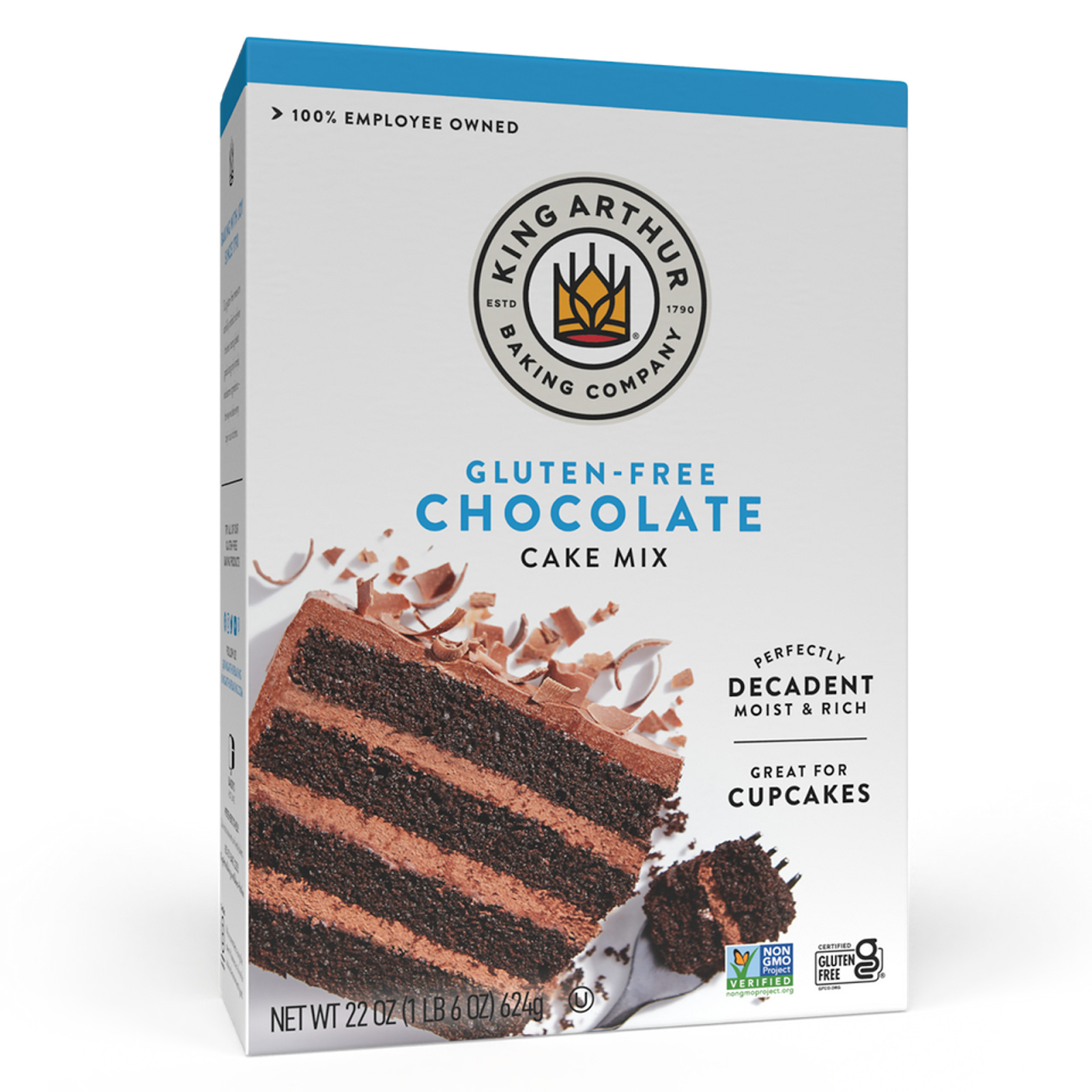
Product Review: King Arthur's Gluten-Free Baking Mixes

Gluten-free food is seldom cheap. I found some King Arthur's brand gluten-free baking mixes on a half-price sale, the week before the price went up, and decided to test them. Only torture-test them. Baking mixes are formulated for use in full-size stoves. I used a saucepan inside an old "electric skillet" as a mini-stove, or primary office heating unit on baking days. 

Glyphosate Awareness has had to bash, lash, and trash this company for using gluten-free, glyphosate-soaked flour, in the past. Even sneer..."Bleep has flour to do with King Arthur? King Alfred was the one whose legendary history features baking...silly name!" I'm glad to report that they have indeed learned about this. I believe these mixes are glyphosate- and glufosinate-free. That does not mean they'll necessarily work for any particular person. It's not that "celiacs may have multiple food allergies, because celiac disease is a very mysterious and complicated disease that nobody can fully control, so we all need to ask our doctors for prescriptions for patent medicines to suppress the symptoms" blah blah. It's that other ingredients may contain different chemical residues to which we may be sensitive in a different way. Anyway, the company has cleaned up its act enough to deserve a fair review of four of its products.

I should mention that, although this review is scheduled to appear in June, the baking experiments took place in early spring, whenever the morning felt chilly enough to justify using the electric skillet to heat up the office. As I recall, I baked the chocolate cake before the Internet Failure in March, the others during the nine weeks of Internet Failure in April and May. And this was a La Nina year when we had some refrigerator-cool nights in the first week of June...In a normal year, I would have tried to time this experiment in winter, but this year it worked in spring.

1. Gluten-Free Chocolate Cake Mix


[You can buy all four mixes shown online, and some other flavors I didn't see in my local grocery store, if they're not in a local grocery store near you: 

Totally did not work for me. The big cake mix did not bake evenly in the small saucepan, which is to be expected and should not put off people who bake enough to keep a full-size stove, or bake in their wood stove. What should put you off is that some ingredient, I suspect the cocoa, didn't trigger a celiac reaction but did trigger some sort of unpleasant reaction. I felt queasy most of the day after I tested this product. The possum got most of it. 

2. Gluten-Free Classic Yellow Cake Mix


Surprisingly, this one did work for me. There's enough flour in the box to bake a 9x13" sheet cake or 8" or 9" two-layer cake, but the mix did bake evenly and produce a thick cake, like two 8" layers stacked up together without frosting in between, even in the saucepan. That mix has to be idiot-proof. The cake tasted like cake and was good enough that I kept it around for a few days, eating my way through it. 

"Yellow" cake, as distinct from mineral yellowcake, is a US baking tradition. It tastes like butter and eggs and milk and vanilla and sugar. It's not quite as easy to add flavoring to as "white" cake, which tastes like vanilla and sugar without the protein-rich farm food mixed in, but it takes most alternative flavorings well; you could add carob, pecans, cinnamon, banana, orange, pineapple, lemon, coconut, even grated carrots and raisins, or most other flavors anyone would add to cake. Of course some of these flavoring agents would affect the texture and baking method more than others.

3. Gluten-Free Ultimate Fudge Brownie Mix


Well...if you like fudgelike brownies, you might like this mix. It baked fairly well and tasted fairly good in the saucepan; it'd probably bake perfectly in a brownie pan. Brownies are tricky because of their high fat and sugar content. When the flour in the middle of the pan doesn't scream "raw," the edges of the pan tend to have reached a consistency that reminds people of bricks. To avoid wasting either middles or edges of a pan of brownies it's good to use a thick pan in which the batter forms a thin layer and bake at a low temperature. You can't expect a traditional brownie mix to bake well in a saucepan. Again, no celiac reaction, but the cocoa didn't seem to want to stay down. 

4. Gluten-Free Banana Bread Mix


This baked well, even in the saucepan. I cheated by enhancing it with about half a bag of whole pecans. It rose and cohered well enough to make a good bread, even with the pecans, and even though I carelessly let the bottom scorch. With the pecans it was delicious

These mixes are expensive when they're not on sale, and I don't plan to heat up the house by baking again till September or October in any case. However, the banana bread mix is terrific. I believe it would work, with traditional spices and mixed fruit, for a fruitcake-that-people-will-actually-eat such as Grandma Bonnie Peters used to make. If people expected edible fruitcake from me I would start experimenting in September to get the right proportions of fruit and nuts to this batter, but it's well mixed and could probably carry almost as much fruit and nuts as a wheat-based fruitcake batter. If your family like fruity, nutty baked goods, this mix may be worth its price.

Wednesday, September 27, 2023

Book Review: Southern Living Vegetable Cookbook

I'm reading new books for you as fast as I can...I can read only so many pages on a screen at a time, and when new books turn out to be 800 pages long, that does slow down the queue. Here's an old book some people may want.

Title: Southern Living Vegetables Cookbook

Author: Lena Sturges

Date: 1975

Publisher: Oxmoor House

ISBN: none

Length: 80 pages

Illustrations: drawings by Ralph Mark

Quote: “If the vegetable begins to lose color, it is beginning to overcook.”

Southern Living was a spin-off from Progressive Farmer. These recipes show where progress was being made. When did Grandma ever worry about vegetables being overcooked? Did she ever eat them any other way? Crispness was undesirable in a world where most adults had bad teeth.

Still, it was only 1975, and several recipes call for four tablespoons of butter where one would do, or half a cup of oil and half a cup of vinegar where the juice and rind of one lemon would add as much oiliness and sourness as the salad could need.

What vegetarians and dieters will love about the Southern Living Vegetables Cookbook is that vegetables are promoted from side dishes to entrées. If you’re not a total vegan, but are trying to consume more vegetables and less meat, this is a cookbook for you. Vegetable omelets, or vegetables cooked with milk, contain enough animal fat and protein to make cruelty-free meals. Several recipes leave room for meat as flavoring or garnish for a dish that features vegetables.

What children, and adults with childlike taste such as the writer of this review, won’t love about this cookbook is that many recipes are designed to sneak second-rate veggies to the table behind layers of cream sauce, crumb topping, cheese, or even pie crust. To make an asparagus casserole, after cooking asparagus in the usual way you use the water to make a cream sauce, spread the asparagus in a greased dish, cover with cornflake crumbs, then chopped boiled egg, then cream sauce, more crumbs, more sauce, and shredded cheese, and bake for half an hour. Right. What I want to know is, who would let asparagus get into a shabby enough condition to need such a deep burial? Fresh asparagus is something you have to stop children from eating right out in the garden. I prefer to wash off the topsoil, myself, but I’ve never seen any reason to cook asparagus. It looks so much more, er, adult, while it’s raw, with a droplet of water glistening on the tip...

Grandma didn’t use recipes like these because she liked to nag children to eat vegetables. She invented these recipes during the long dark winters when the family ate their way through crocks of salted-and-vinegared vegetables and jars of overcooked vegetables they’d put up during the summer, and since they had no other vegetables and were on the verge of scurvy, they found it good. But Southern living is about having a garden and using vegetables while they’re so fresh that even the shelled peas, stringbeans, and potatoes taste good raw. Crisp, juicy, just slightly sweet, Southern vegetables are supposed to be treats for children.

The Southern Living Vegetables Cookbook was not written with restricted diets in mind, but does contain several meat-free, grain-free, dairy-free, and sugar-free recipes. Several recipes use all natural ingredients and can be made entirely from garden produce. And some don’t even bury the healthy veg in saturated fats and simple carbs.

Wednesday, February 15, 2023

Some Favorite Foods

Throwing out a soft ball, LongAndShortReviews asks this week about bloggers' favorite foods. 

Anyone who thinks that will be good for some very short blog posts is not well acquainted with writers. Writers tend to be Highly Sensory-Perceptive and to like lots of different things in different ways, so when asked to name a favorite character or choose a favorite food we can easily end up writing books. 

"Favorite Foods: Chapter One. Top Ten Breakfasts to Cook at Home; Top Ten Breakfasts on the Road; Top Ten Breakfasts at Restaurants; Top Ten Alternatives to Breakfast When One Has Slept Past Breakfast Time..."

It needs to be mentioned that just thinking about food can raise insulin levels. This makes it almost literally true that, for some people who are trying to lose weight, thinking about food or looking at food may not make them actually gain weight but it will delay any loss of that surplus fat they've been trying so hard to burn off. Those people should close this tab now and go and exercise instead. 

Are some dieters still here? Let's give youall some tabs to open. Open these tabs, then close this tab, which is only about food, and start dancing. Marching. Whatever.  These links to brisk, cheerful tunes were all suggested in Rick Bailey's new book, And Now This, which makes them part of a book blog...


Now, for those who don't need to lose surplus weight, or who are eating anyway, some memorable pleasures my palate has known...

1. A fresh sun-warmed strawberry, not too big, rich deep ruby red all over, just inside the line between ripe and overripe, found in the garden just before you water the plants. Pick the berry, rinse it off in the water you are directing toward the plant, pop it into the mouth, and savor..

2. Maple syrup poured off, not just before it starts to crystallize into sugar, but just when it stops tasting like water. You've only been boiling off thirty gallons of steam to get the first kettle to this point. Keep the syrup warm, though not necessarily boiling, while you whip up some hot waffles. (Gluten-free waffles are, if anything, more delectable than wheat-based waffles.)

3. A real vine-ripened tomato. Yellow Pink Centers, which my father used to claim as a favorite, are so sweet you might fail to recognize them as tomatoes if you're accustomed to the beefsteak kind. I like the tangier cultivars that are closer to that beefsteak flavor, myself, though I like Yellow Pink Center tomatoes too. Real vine-ripened tomatoes are too soft to be peeled. Wash them thoroughly, put them into bowls--they grow big enough that there's room for one in a typical bowl--cut the pulp into bite-sizd pieces, as best you can with the juices running out and the pulp melting in your fingers, sprinklewith salt, and eat with a spoon. Spoon out the seeds and spread them to dry on a napkin because you want to plant these tomatoes next year, not because swallowing the seeds does any harm. 

4. It is also good hillbilly etiquette, when Real Cornbread comes out of the oven, to cut slabs of cornbread and crumble them into your fresh juicy tomato, to help soak up the juice. Real Cornbread never contains a grain of sugar, or of molasses or maple syrup or any other sweetener. It's a salty and sometimes tangy, savory contrast to molasses, or to a really good tomato. The contrast between Real Cornbread's firm, oily bottom crust, crisp yet melting top crust, and airy crumb adds something to the experience.

5. There is also nothing quite like, on a hot day, peeling and biting into a raw cucumber. 

6. Though a related kind of gustatory bliss comes from arriving, after a long walk, at a spring in which rock lettuce grows. Rock lettuce combines the thirst-quenching juicy quality of iceberg lettuce with the body and nutrient value of leaf lettuce, which makes it by far the best kind of lettuce, if you limit yourself to eating it only when you walk to a spring where it grows. Like asparagus, its specialness decreases by the second after it's picked.\

7. A peak-ripe pineapple is a memorable taste treat, although not much can be said for a pineapple that is not peak-ripe. Pineapples that have ripened to a questionable or borderline stage sometimes reach the level of deliciousness nature intended after cooking.

8. Mangoes sold in supermarkets are usually less than they should be, too. They can often be ripened to perfection on a south-facing windowsill. 

9. I don't often eat sugary things, but when I do I like S-U-G-A-R. The perfect form of sugar is achieved thusly: Melt a pound of brown sugar in at least half a stick of butter or margarine with a small tin of condensed milk. Cook until it's boiled up like the Yellowstone mud and a drop dripped into water forms a soft ball. Then take it off the heat and cool the pan in a snowbank until you can comfortably hold the outside of the pan in your hand. Then beat in a 7-ounce tub of marshmallow ceme, a spoonful of vanilla, and stir in as many pecans as possible. Pour into a shallow pan and cool until it firms up. 

10. I'm not as enthusiastic about the flavor of fresh "green" sweet corn as some people are. I prefer it cooked rather than raw, and it needs no butter, sugar, or pepper at all and only a sprinkle of salt.

Tuesday, April 5, 2022

"Are You Sure It Isn't...?" Yadda Yadda...

Today's non-book post is brought to you by some of America's most photogenic and adoptable cats. Today we consider Manx cats. Because these cats' distinctive look comes from a lethal gene, and I've advocated breeding it out of the population, I've been accused of not appreciating the Manx cats who are already here. Not true. I don't like to encourage anyone to breed more of them, but they can be excellent pets. 

What is a Manx cat, anyway? The genetic mutation occurred on two islands: the Isle of Man off the British coast, and Japan. Two apparently different breeds of cats were developed from ancestors who shared a relatively chunky build, thick soft coat, and varying degrees of spinal deformity producing extra-long hind legs and short or missing tails. Some people claim that there's a secret formula for identifying the individual cats who can produce viable kittens. I'm not convinced. However, the cats who posed for these pictures aren't going to produce kittens. But whether they are "real" Manx or Japanese Bobtails, or crossbreeds, or just unfortunate individuals with a similar look, nobody really knows. 

What people cherish their Manx cats for is a breed personality that many, not all, of these cats share (and the cats pictured below seem to have). The stereotypical Manx is calm, mellow, mostly a couch potato but willing to play games, likely to choose one human and bond with that person for life, and capable of figuring out that, if it brings a ball back to you, you'll throw the ball for it to chase again. They're not stereotypically either "talkers" or "listeners," but I knew one Manx-mix cat who did seem to understand words (meaning the other Manx-mixes I've known did not). They can be great visitors in care homes because, if Their Human tells them a troubled child or geriatric patient is a friend, they'll treat the person like a friend and enjoy all the petting and snuggling. 

1. Zipcode 10101: Bunny from New Jersey 


Although Bunny is thought to be a mix of Manx and Maine Coon, she's described as a stereotypical Manx: "Friendly, Loyal, Gentle, Smart, Curious, Independent, Quiet, Dignified, Couch potato." She travels with a daughter called Mouse. If you visit their web page you can click through their photo gallery and see them together. Despite the tendency in both ancestral breeds to revert to the natural size of undomesticated cats (think American bobcats or Scottish wild cats), the web page doesn't mention Mouse or Bunny being all that large--just big fluffy cats. Their $100 adoption fee covers veterinary care, including spaying, that's already been provided. Their web page is https://www.petfinder.com/cat/bunny-bonded-with-mouse-in-foster-54194706/nj/edison/edison-municipal-animal-shelter-nj593/ .

2. Zipcode 20202: Rudder from Herndon 


Unfortunately Rudder's web page at https://www.petfinder.com/cat/rudder-reece-55063362/va/herndon/fancy-cats-rescue-team-va145/ doesn't have a picture or even a link for his adoptive bro-fur Reece. The two neutered males are said to be great friends with an occasional fight just to practice their moves. Their web page positively recommends getting to know them as "foster" pets before you commit to adopting them, which strikes this web site as a good idea where two male cats are concerned. 

3. Zipcode 30303: Bunny 1 & 2


Left with the vet when somebody heard the news, these two little snugglebunnies--sisters--come as a package deal because the one who's not showing you those bright baby-dark eyes is blind, and has other disabilities that are part of Manx Syndrome. I suspect they've been given the same name, not only because the blind one follows the sighted one everywhere anyway, but because the blind one won't live long. There are all kinds of issues involved in adopting even healthy Manx kittens. You can't tell by looking at them or their parents whether they'll stop growing at the size with which we're familiar, or keep on until even reasonable people mistake them for bobcats. You can't let the large ones go outdoors alone, either, for that reason, and they take up a lot of space. You may be able to get by with a normal-sized carrier and litter box, or not. While watching them grow up you learn to like and trust them, but visitors will always and forever say things like "How can you live with that monster?" as they edge toward the door...you'd think they'd at least keep the Jehovah's Witnesses away, but our Graybelle failed to do that. However, if they're going to bond with you, as distinct from just being friendly and polite to everyone, it's likely to happen before they've met and bonded with other humans.  If you're willing to put up with the sick kitten (who is not expected to develop bladder control, if she lives to grow up) for the sake of the healthy one, visit https://www.petfinder.com/cat/bunny-52373439/ga/watkinsville/magi-cat-adoption-network-piedmont-animal-clinic-ga314/ .

(I all but literally heard someone say "That's not fair!" Well, it's not. Three out of six Manx-mix cat pages at https://www.petfinder.com/search/cats-for-adoption/us/ga/30303/?breed%5B0%5D=Manx mention medical problems, and the other three do not positively say the cats are healthy or have survived outdoors. Life is not fair to Manx cats. However, some of them are healthy and have reasonably long lives. Our Founding Queen Black Magic found and adopted Manx One, Two, and Three when they were left with the vet. Three grew up chunky but not oversized, One and Two grew up enormous, and they needed only routine veterinary care for the rest of their lives.)

Now the post itself...

Recently a Children’s Health Defense Newsletter article (https://childrenshealthdefense.org/defender/chemical-additives-processed-foods-gut-health/) discussed chemical additives in food as a possible factor contributing to celiac sprue.

For some people this information may be very valuable, just as, for some people, the information that mold is a possible factor contributing to respiratory allergies is very valuable, and, for some, the information that vertigo can be aggravated by dental problems is very valuable...but it ticks me off, just the same.

To understand this it helps to be a celiac. Typical celiacs have tried a lot of ways to relieve the symptoms of acute dietary deficiencies caused by the fact that our bodies don’t absorb nutrients during reactions to wheat gluten, which, if we eat a typical American diet, we’ve been having continually for years. No treatment, or personal health practice, works for us the way it’s said to work for other people. Things that do help, a little, are likely to be the simple personal choices nobody has invested heavily in marketing. One piece of bad advice we all know well—“For regularity, eat more whole wheat, wheat germ, and wheat bran!” Even basics like “Eat more food closer to its natural state, drink plenty of water, and get enough rest and exercise” do for the profoundly messed-up celiac body only a small part of what they do for us after we’ve got the wheat out of our systems. Once we’ve achieved gluten-freedom we might say that all the other healthy choices we’ve made, together, accomplished less for us than going gluten-free did.

We may have thought—mistakenly—that specific triggers were what was making us ill, even when we had to strain to absurdity. The bleached-white wheat-based flour used in most American baked goods today is a denatured source of junk calories. If you go on the basic “health food blitz” as recommended by popular magazines like Prevention (I’m thinking of an article I read in 1974), eliminating all the “white” breads and pastries, as an undiagnosed celiac you will immediately feel better. Because you're eliminating a lot of wheat and a lot of chemical junk, you'll be better but not well

Then you can start trying to believe that the way you feel is healthy. (Doesn’t everybody spend the first hour or two of every morning coughing and sneezing? Doesn’t everybody feel pain when they stand up on their feet, every morning, and the little bones in their feet go out of joint? Doesn’t everybody have to choke down breakfast against a feeling of mild nausea?) When your celiac disease flares, you can blame some refined food product you ate some time during the past year. It’s not the good wholesome brown bread you ate this morning that’s making you sick. It couldn’t be! It has to have been the slice of birthday cake you ate at a party two weeks ago. The refined sugar and flour, artificial flavoring and coloring, and saturated fat in the frosting are junk, but...contrary to all the advice that’s out there for non-celiacs—for you the culprit really was that wholesome whole-grain bread.

I developed a sort of mental allergy to blather about what’s “good for you” and what’s not. Most people can use wheat; some cannot. Most people can tolerate simple carbs; some cannot. Most of the things humans eat have some food value and serve some purpose for most of those who eat them. Most of the things humans eat are also harmful to some people.

Chemical pollution has more influence than most people want to admit on how much a certain food item helps us or hurts us. Even when a doctor like John McDougall is disinterestedly telling people what’s helped his patients avoid expensive treatments that seem more profitable to the medical industry than they are beneficial to patients, his emotional attachment to this wonderful breakthrough idea may be blinding him to important aspects of the situation that some people prefer to make it very hard to evaluate anyway. Meat is loaded with toxins. A vegan diet is an excellent way to eliminate those toxins. But chemical contamination may still make a vegan diet fail to work as advertised. Some chemical pollutants cause otherwise healthy food not to stay down, or, even worse, do so much damage to the digestive system that it can’t absorb nutrition from the contaminated food item or from any other source either.

Historically, when many people are complaining of reactions to chemical pollution, the polluters have had a vested interest in calling attention to something else, anything else, relevant or not, as a possible factor in the problems that are actually being caused by their product.

About ten years ago, just as glyphosate levels in the food supply became dangerous, remember the panic about mold? Part of the problem appeared to be the increase in mold growth in the late twentieth century. Many people’s symptoms seemed related to mold exposure. Glyphosate, not coincidentally, happens to promote fungus growth.

So, buildings were remodelled to eliminate Stachybotrys atra, a stubborn fungus that grows deep into vegetable matter and can reappear even after application of enough fungicides to damage fabric—or even wood. Stachybotrys, the “toxic” black mold (it forms toxic chemicals in reaction to some bio­chemicals in some, not all, human bodies), is an allergy trigger but suddenly both the fungus and the reactions reached unimagined heights. Fear of mold caused many schools to be closed temporarily in order to remove mold-infested building materials.

Fear of “peanut allergy” reactions associated with Aspergillus flavus, the “black rot” fungus that grows most easily in peanuts, caused peanut-based snacks and even homemade lunches to be banned at some schools.

When Prevention magazine staff even suggested that allergy sufferers eliminate books from their homes or lock books away in glass cases, cynical readers thought they were marketing electronic data storage devices. Nevertheless, Stachybotrys atra and other molds grow easily in books and were found in most of the books in many libraries. In the early years of the twenty-first centuries many public libraries rushed to discard as many older books as possible. Librarians tried to refill the shelves with tapes and disks. A corresponding effort was made to re-brand libraries as updated versions of the 1950s’ “community centers” that many communities had abandoned, not places that stored potentially moldy books. 

While municipalities found it possible to control mold in buses and train cars by cleaning and, in a few cases, replacing seat material, underground train tunnels naturally harbor large amounts of mold. Subway ridership decreased as commuters learned that the characteristic odor of the tunnels came from Stachybotrys atra. The Washington Post noted the use of “Stachybotrys” in topical verse submitted by readers. So far, no way to keep soil fungi from growing through concrete tunnels has been found.

And what happened after all this fear of mold? Mold hasn’t gone away. We knew mold looked dirty and was eating the objects on which it grew, before the 1990s. We had been cleaning and disinfecting moldy surfaces before then, and most of us still are.  Fear of mold subsided in the 2010s as people recognized that their symptoms were correlated with foods and airborne vapors more strongly than with mold exposure. Mold allergies still exist, but the incidence of mold allergy complaints declined as the incidence of food and chemical sensitivity complaints increased after 2009.

The fact that I’ve been studying glyphosate-related issues, and the fact that today most if not all health issues seem to be at least glyphosate-influenced, in no way means that glyphosate is the only chemical pollutant involved in illness. It means that diseases that are primarily caused by other things are being aggravated by glyphosate. Mold is something we can control without the difficulty involved in rejecting all the commercially available food that’s full of glyphosate. Our awareness of mold as a health hazard has been raised to a point where it’s very unlikely that cleaning mold out of the house is going to do more good for someone than cleaning glyphosate out of the environment will do. I know of no human who likes the pungent odor of Stachybotrys enough that they don’t clean or replace things infested with it. Not every body even has the reactions that make Stachybotrys mold “toxic.” Most of us aren’t exposed to enough of this fungus or long enough to make reactions to it our primary health concern. But it could be possible, at least theoretically, that somebody Out There is primarily reacting to mold and will benefit from a total ban on glyphosate primarily as glyphosate stops promoting the growth of mold.

Funnily enough, we’ve seen something similar to the mold allergy hysteria that peaked around 2010, not too long ago. Then, too, one natural component after another was blamed for an “epidemic” that ended when a popular pesticide was banned.  In the 1960s and 1970s, it was fashionable to blame pollen allergies for hayfever, asthma, and all kinds of things. If extensive tests revealed that a child who had asthma was not reacting to pollen more than other forms of dust, maybe the child had food allergies. Maybe the child was allergic to dust. In fact ordinary household dust is full of microscopic dust mites that eat and excrete tiny particles of various irritating substances; everyone sneezes if they inhale a lot of dust or pollen, and everyone breathes better in a clean house, and anyone who is having an asthma or hayfever reaction is likely to react with greater intensity of symptoms if dust and pollen are in the air. But childhood asthma, with which many of my generation grew up, became almost unknown in the years between the late 1970s’ ban on chlordane (an insecticide that was supposed to control roaches) and the 1990s’ increasing use of glyphosate. Children’s exposure to dust and pollen didn’t change.

So now, as doctors and scientists are urged to generate alternative explanations for the glyphosate reactions people have, and blaming everything on mold is going out of style, again the second attempt to blame something God made for the effect of something hubristic men made is pointing to food. Certain fats may contribute to celiac sprue...

Well, no points for guessing, they can. Celiacs metabolize fats in a different way than most people do, in any case. Fatty foods make some celiacs sick; some specific fatty foods are what other celiacs use as really efficient laxatives. Our intolerance of wheat gluten is genetic and does not change, but some other specific fatty foods may aggravate our reactions to wheat gluten. Certainly it’s harmful for anyone to ingest too much fat; certainly some fats are more harmful than others, and tolerance of different fats is probably as individual as tolerance of different proteins or sugars. I'm not familiar with the effect of carboxymethylcellulose, if it has one for me, because it's the sort of thing I was brought up not to eat.

But, are the wrong fats to blame for celiac sprue? Whatever fats a celiac ingests are likely to be conspicuous during celiac sprue. They’re obviously not being digested and they probably are contributing to the internal irritation. Are fats what tip an individual body over the edge from “irritable bowel syndrome” into “Crohn’s Disease” or “celiac sprue”?

Quick reality check: My mother, a fat celiac with very limited tolerance of fats, never “dressed” a salad or allowed “dressing” on the table; allowed just enough peanut butter to coat one slice of bread in a sandwich, just enough butter to melt into toast; mostly baked with oil not butter, and tried to limit it to a tablespoon of oil to a cup of flour; but she did eat cheese. She had celiac symptoms that responded dramatically when she finally dared to go gluten-free, but they never reached the point of visible blood in frothy diarrhea (sprue). 

My natural sister, a chubby carrier of the celiac gene, worked in a convenience store as a teenager and never outgrew a taste for convenience-store food, processed meat, processed cheese,  frozen pizza, what that poor child (age forty) still calls “normal” food. She’s never had sprue; she’s always had depression. 

I, a skinny celiac for whom peanuts, cashews, and cow’s milk are fast-acting mild laxatives, ate an almost fat-free, mostly vegan diet at the time when I developed sprue. I cook the way Mother cooked; since commercially sold vegetables are still likely to contain glyphosate I eat most of my veg raw and unseasoned, or boiled in water without added oil. Like Mother I don't think most things need to be "thickened," and if they do I reach for cornstarch or arrowroot, none of the weird stuff some people consider necessary to add the junk calories that turn natural pan juices into "gravy." 

I don’t think even the hamburgers or chicken pieces my dates bought for me, sometimes greasy but never tainted by cheese or mayonnaise, caused me to develop celiac sprue at the preposterous age of thirty. Especially not when three neighbors who weren’t celiacs went to three different doctors complaining of pseudo-celiac sprue in the same week, after glyphosate was sprayed along the road, and got three different diagnoses, of which at least one was pure garbage. (He was told it was stomach cancer and he had six months to live. That was in 1995. He was still working, the last time I saw him.) I think it was the glyphosate.

New reportage on the fact that some celiacs don’t digest certain fats is not going to be news to celiacs. Celiacs who take any conscious responsibility for their own health, at all, probably already avoid those fats. We know to buy peanuts, not peanut butter, if we want the nutrient value of peanuts. The news that it’s wise for celiacs to be mindful of the effects fats have for them, too, may be valuable for someone who’s just been told her child is a celiac and who hardly knows what that means...but where is this reportage coming from?

Anyone who paid attention to the Glyphosate Awareness live chat will remember how the chemical corporations’ goons used to scramble to defend glyphosate. “Oh noooes, it can’t be glyphosate that’s making youall ill! We neeeeed glyphosate! We’re not being selfish jerks who put our profits ahead of your health, of course not, how could anyone think that. We just know it can’t be the glyphosate! It has to be something else! Anything else! It haaaassss to be!”

I wish Twitter would do something about that robot shadowban mechanism, and about making sure that every tweet reaches everyone who follows a Twit or a hashtag all the time. It was so instructive to watch these people scramble and struggle to defend their inexcusable clinging to their vile product.

Celiacs are, by definition, people who need to eat mindfully according to their individual food tolerances. After a year or two of gluten-free life most of us could eat almost anything but wheat, Before Glyphosate. Today, the celiacs I know best find that the easiest way to explain what we can safely eat is that it has to be glyphosate-free, which still leaves most of us very little to eat. Mindful eating steers us away from most fatty foods when we have viable alternatives but, painful though this may be for chemical corporations’ employees and stockholders to accept: When I ate a snack-pack of baloney as “road food,” during that bad year when peanuts were being “ripened” with glyphosate, the fats and preservatives in that baloney may have blocked the absorption of whatever nutrients were left in the meat but I did not have a sprue reaction. When I ate the glyphosate-sprayed nuts I actually preferred to the baloney, I had the sprue reaction.

So I think the focus of Glyphosate Awareness needs to stick to the primary concern. Get glyphosate off the market, not manufactured or used or sold, and give it time to break down in the soil, first. Then we can talk about what will probably be, once again, the very rare problems of celiac disease, Crohn’s Disease, or irritable bowel syndrome.

Very likely those diseases will join autism and childhood asthma on the list of rare conditions the next generation of doctors will see only in a small percentage of increasingly old patients, something an individual doctor may or may not ever see a young patient develop. And I say the sooner the better.

Friday, July 26, 2019

Glyphosate Awareness Newsletter 2: Send This to St Louis

The Glyphosate Awareness Newsletter is published weekly by Priscilla King, c/o Boxholders, P.O. Box 322, Gate City, Virginia, 24251-0322. It’s available free, in plain text as an e-mail or attachment. Printed or audiocassette versions are available for the cost of production. (Audiofiles are free to anyone who can convince me that s/he is blind and can’t read a document aloud using widely available software.) Reprinting, recirculating, and sharing this information at the reader’s own expense is encouraged, provided that all sources of material are credited.

This week, Canadians start suing Bayer for glyphosate damage, a French town’s glyphosate ban is ruled illegal, US citizens are invited (sort of) to comment on the proposed USDA regulations for genetically modified organisms (GMO), and  I ask youall to consider ways to raise Glyphosate Awareness in Missouri and Illinois...and more, in more or less the order they came in. I’ve tried to expand on the good news in this issue.

1. DID AMERICAN COUNCIL ON SCIENCE AND HEALTH SELL OUT?

Andy Kroll and Jeremy Schulman report to Mother Jones that the American Council on Science and Health pursued, and received, donations from Monsanto. ACSH’s job is to debunk the “junk science” that people rush into print without adequately questioning the evidence if it supports their bias. The article identifies conflicts of interest this nonprofit educational organization is likely to encounter when examining scientific evidence that might affect any of numerous corporate supporters.


2. USE OF GLYPHOSATE IN PUBLIC PARKS

Last spring, you may recall, somebody in Fish & Wildlife argued that glyphosate has to be sprayed in public parks to control invasive nuisance plants like kudzu. Kudzu is indeed intimidating. More intimidating than kudzu, however, was the condition some rivers and beaches in the Northeastern States reached during the Industrial Era. The Anacostia River became so foul that only “sewer worms” could survive in it. What changed this was a combination of the export of heavy industry and, on the brighter side, the marketing of “River Cleanup Days” as public festivities. Don’t spray...par-tay!

How long does it take to clear seventeen (contiguous) acres of kudzu? Has anyone timed this yet? Kudzu attracts few pests, and the individual vines are small and pliable. The daunting feature of kudzu is how much vineage you have to roll up before you come to the root. Kudzu roots actually have medicinal value. Some people will indeed roll up the vines, locate the roots, and dig them up. When some Twit jeered, “With a bulldozer, maybe,” I joked about the possible use of an excavator in getting the roots up within a set period of time...in practice, people who harvest kudzu roots use hand tools.

Today an e-friend was complaining of privet (Ligustrum) as an invasive nuisance. Where I live, it’s not one. For one thing it’s useful. It’s a tough little shrub that holds soil on steep banks; it’s easy to prune and hard to kill; fresh privet prunings are pre-soaked skewers for grilling, and dried ones are good firewood; the soft wood is easy for crafters to practice carving; if I prune it back to three or four feet high in spring, by winter the cardinals can safely flit around in the new growth, eating privet berries and singing “Cheer! Cheer! Cheer!” For another thing it’s not all that invasive, in a damp climate. Soft wood absorbs water easily and, although privet resists most insects and fungi, when it stays damp long enough it becomes vulnerable to carpenter ants. If you have privet and wish you didn’t, water it lavishly, and smear a little grease or syrup on it to give the local carpenter ants the idea.

Honeysuckle, chinaberry, phragmites and other invasive plants have uses. Even ailanthus will burn. If you want to remove them from a public area fast, you find the people who are willing to use the plants, for crafts or whatever, and offer those people some sort of prizes or benefits for digging up those plants. They’ll be gone.

There are just a few invasive nuisance plants, like Johnson grass (which looks like corn but is toxic to cattle), Bermuda grass (which became obsolete when Astroturf was invented), and Spanish Needles (the Bidens species everyone hates), for which nobody has ever found a use. Guess what? They’re the ones that thrive on glyphosate.

One of the more pleasant things we can do with Glyphosate Awareness is explore the uses of invasive plants and talk to local park staff about replacing poison sprays, which also endanger native plants of course, with public parties—which may increase the use and potential funding of the parks. Worked for Anacostia.

3. IS IT TRUE, WHAT THEY SAY ABOUT ANCIENT WHEAT?

Needless to say, the big corporations are not racing to fund studies of exactly how and why it’s possible that some people can digest “ancient” wheat better than “modern” wheat...or less heavily sprayed wheat better than more heavily sprayed wheat. But it’s true: Though all plants, even “organically grown” plants, in North America today are likely to contain enough glyphosate residues to harm people, once we get glyphosate banned, some people who currently have to avoid wheat are going to be able to enjoy hearty brown bread again. The “ancient,” more natural strains of wheat have a lot going for them. Though its high protein content is useless to us celiacs, the majority of humankind used to be able to digest “ancient” wheat.

News on this front may be slightly premature, but then again it may offer hope to some readers...Rodale has brought out a book about how farmer Bob Quinn is profitably raising organic kamut. https://amzn.to/2SFF7Lr .

4. COLOMBIA RULES OUT POISONING COFFEE

A Colombian court rules that spraying glyphosate on the coffee fields, in an effort to destroy coca plants, should remain illegal. I can’t drink Hawaiian Kona coffee. I can still drink Colombian. Hurrah. (I happen to be one of those who believe we should all buy as much of any wholesome export from the High Andes as possible, alpaca yarn and coffee and Peruvian Purple potatoes and so on, to give the poor indigenous population a wholesome alternative to raising coca plants.) https://m.gulf-times.com/story/636972/Colombia-court-keeps-ban-on-aerial-spraying-of-gly .

5. DR. LEONG EXPLAINS HOW VEGETABLES AREN’T KILLING GRANDMA BONNIE PETERS YET

Vegetables are good for us...if they’re not full of glyphosate, as most of them are, even if they’re supposed to be organically grown. I no longer dare to eat a commercially grown vegetable. (I’m not as malnourished as some town readers expect...I do live in an orchard, where I can still pig out on fruits and veg that have been exposed to very little glyphosate vapor.) But my blog buddy (and fellow celiac), Grandma Bonnie Peters, still eats vegetables. She is starting to act “old and sick,” which she dislikes; she can’t rely on her ability to write, type, or sew, since having a stroke. Crumbs, she’s over eighty years old! How is it possible that she’s still walking around? Dr. Kristie Leong has been tweeting the explanation. While glyphosate damages our internal “microbiomes,” the soluble fiber in fruits and vegetables restores our microbiomes. GBP is at least ingesting a partial antidote along with her poison. https://twitter.com/DrKristieLeong/

6. GLYPHOSATE WORKS AS BIRTH CONTROL, THOUGH IN NASTY WAYS


Meanwhile, although the precise causative relationship was not analyzed, studies show that glyphosate-exposed mothers are more likely to give birth prematurely, or “miscarry”—meaning “spontaneously” abort—or, when they do give birth to live babies, produce babies with fatal physical defects.

Pro-life people need to be aware that this makes glyphosate not only a form of birth control, but an ABORTIFACIENT. Whether you believe that abortion is murder (I don’t) or physical abuse of women (I do), glyphosate is long-distance abortion. Pro-life lobbyists should join the Glyphosate Awareness movement now!

7. A DATABASE OF STUDIES

Michael Balter thinks we need a database of studies. He’s right. The hashtag #GlyphosateAwareness is supposed, in theory, to compile such a database if people are willing to scroll through the banter, cartoons, trolls, etc., and sort out the formal scientific studies people have linked. In practice, it’s reached the point where scrolling all the way back to the original EPA dossier, in which Monsanto’s carefully cherry-picked studies to “prove” that glyphosate is not a primary carcinogen inadvertently confirm that glyphosate is toxic to the majority of living creatures studied, may crash your browser. We need a searchable online database that loads a manageable amount of data at one time. If you have data compilation and coding skills, you might want to tweet to @mbalter and @Olivefarmer about this.

8. PAULETTE DESCHAMPS FIGHTS TO RAISE GLYPHOSATE AWARENESS IN FRANCE

Background information: In France, and Europe generally, a total glyphosate ban is being disputed because the use of glyphosate didn’t go insane in 2009, as it did in the United States. Austria is upholding a nationwide ban and being challenged by the European Union. Paulette Deschamps, Madame le Maire of Perray-en-Yvelines, is upholding a ban for her little town, and being challenged by the French national government, whose president promised a total glyphosate ban and then backed down. https://www.connexionfrance.com/French-news/mayor-of-ile-de-france-town-vows-to-ignore-order-to-overturn-local-ban-on-glyphosate-herbicide-and-neonicotinoid-pesticides

9. BAYER’S FEEBLE RESPONSE

Bayer claims the company will do something to reduce its harmfulness...by 2030. Hah. That’s definitely long enough for glyphosate to kill most of the celiacs who’ve already reached the visible-blood-in-toilet stage. No ethical government or citizen can let them wait that long to drop the poisons, move on to robots, and start paying us damages. https://modernfarmer.com/2019/07/in-panic-mode-bayer-monsanto-announces-5-6-billion-for-new-weed-control/

10. “BUT IT’S NOT A PRIMARY CARCINOGEN, SO IT’S SAFE”

Basically anyone using this argument is incompetent. Glyphosate is probably not a primary carcinogen; it’s very hard to identify what is a primary carcinogen. Cancer seems to involve a balance between risk factors and protective factors, so there may not even be a truly primary carcinogen. So what? Hanging, drowning, shooting, fire, and plane crashes are not primary carcinogens! Here, scientific studies show that glyphosate is definitely one of the factors that increase individuals’ risk of developing cancer—if it doesn’t kill them in other ways first. https://www.sciencedirect.com/science/article/pii/S1383574218300887

11. HOW (SOME) FARMERS CAN SAVE SOIL

Pesticide-addicted farmers whine that, if they’re not allowed to poison the soil, they’ll have to plough up weeds and lose topsoil. Research shows that in the kind of flat country that should be ploughed in the first place this is not true. https://littlevillagemag.com/how-planting-prairie-strips-on-iowa-farms-could-save-soil-water-wildlife-and-money-in-state-and-beyond/?fbclid=IwAR1EySAupV23FmrZzYa4uljMrkBNPGnC0NXlJGesehFJx5nMaay46KqN-hU

In steep hilly country, no, it won’t work. My parents tried ploughing, mulching, and composting the space right above the original row of fruit trees above the hedge, the first few years they tried putting a garden around our home. We all watched rain wash the mulch and compost down through the front and back yards, through the grass and wildflowers. We also saw that, although the field could be ploughed with a mule, it was too steep to be safely ploughed with a tractor. So that was when they made that field an orchard, which it still is today.

Hill farmers conserve soil by terracing—not digging into the topsoil and displacing the native plants, but laying solid layers of mulch on top of the topsoil. Some local farmers are getting good results putting rows of aged straw bales on hilly fields in autumn, adding compost or fertilizer while the straw ages in winter, then planting directly in the straw in spring.

12. SIGN THIS, SIGN THAT, SIGN EVERYTHING

We’ve all signed petition after petition to demand GMO labels, glyphosate restrictions, probably other things. We need to sign more. We need to keep signing them. Sometimes it’s the plethora of petitions that gets attention. Have you signed this latest one yet? https://advocacy.organicconsumers.org/page/8012/petition/1

Have you commented on the EPA’s current glyphosate docket yet? https://www.regulations.gov/comment?D=EPA-HQ-OPP-2009-0361-2340

What about the FDA’s page for regulating and labelling GMO? Funnily enough, the link to the comment page from this page has been “temporarily” not working for the past three days. https://www.regulations.gov/docket?D=APHIS-2018-0034.

There are organized, 501(c)(3)-registered groups working on Glyphosate Awareness now. Some people may be comfortable working with them. I prefer to network with them at a distance because groups like the Institute for Responsible Technology, Friends of the Earth, Sierra Club, et al., though legitimate, have an overarching leftist agenda that can sometimes limit their usefulness to the people who need Glyphosate Awareness.

For example, although the Salsa Labs network that hosts IRT, where friends and I used to be consultants too, is very polite and never asks about anyone’s politics, I’m fairly sure they would not host a Republican rally. Sometimes D’s like to be alone to talk inside Democratic Party campaign strategy. That is their prerogative; even Little League teams like to separate when they practice baseball. Yet Glyphosate Awareness is most definitely for R’s too. I’ve seen R’s react to glyphosate more drastically than I did. Common glyphosate reactions include kidney malfunctions and learning disabilities. It’s possible that the Trump family stand to benefit from Glyphosate Awareness.

Why am I doing this Newsletter at all? I can ill afford to donate my time to a cause without being paid. One reason why we need this Newsletter is that IRT, FOE, EWG (Environmental Working Group), et al., send out flashy, cookie-infested Newsletters...the graphics may make their e-mails more fun for some people to read, but other people whom I know personally don’t want to open their e-mails. Another reason is that some Republicans want to be sure that, when they sign things or join things or support things in any way, their responses aren’t going to be piled in together with responses to Extreme Left petitions (as some suspected may have happened at Change.org). This newsletter is not only for them, but it’s the one where they’re welcome, too, and they’re safe. I don’t send out batch e-mails at all, I don’t aggregate responses to anything, and I encourage readers to be careful about people who do.

The Glyphosate Awareness Newsletter has no overarching agenda. It’s for people who know that glyphosate is harmful to all living creatures and needs to be banned. That is the only thing on which we need to agree.

And of course it’s also for people who have only just heard, or who may still be skeptical, about glyphosate being harmful. I want you readers to share these Newsletters with friends who may still be spraying “Roundup” on their roses. Tell them they don’t need to tell you or me or anyone else what they learn, but a good place to start is by noting on the calendar when they’ve sprayed, and when each member of their family has a flare-up of some sort of “chronic problem”—maybe something sub-clinical, like extra-messy hayfever, unusual grumpiness, or extremely strong cravings to take another drink/pill/cigarette. Become aware. Then they can read as much more and become as “active” in the movement as they feel moved to be.

We met each other online. That means we’re people who have time to hang out on the Internet, maybe even chat on Twitter. That means we’re highly likely to be “retired,” disabled, students, or home care givers for people with disabilities. We have little time and less money. I live from odd job to flea market to hack-writing job, myself; I buy a few days’ groceries and don’t ask where the next load of groceries is coming from. So how are you, how am I, supposed to follow Gloria Steinem’s program for activists? (Remember, the one printed in Outrageous Acts and Everyday Rebellions—at least one letter to the editor per week and so on and so forth?) Do what you can. This Newsletter is not going to dock your pay if you spend a month with a sick relative and don’t write any letters to the editor. But it does encourage everyone to write those letters, sign and circulate those petitions. The more different perspectives, the better.


Especially in St. Louis, Missouri. If you know anyone there, please raise their Glyphosate Awareness! https://www.reuters.com/article/us-bayer-glyphosate-lawsuit-analysis/bayer-could-benefit-from-home-advantage-in-st-louis-roundup-cancer-trial-experts-idUSKCN1UH10F . Missourians like to stereotype themselves as “The Show-Me State” where people want hard evidence. We have that. So show them.

Wednesday, June 19, 2019

The Saddest Moment at the Cafe

A couple of cafe philosophers were talking about the saddest moments observed at the cafe. (Click on that word "cafe" to see the foodstuffs discussed below, photographed with a good camera-phone.)

Obviously, this did not include one-off moments of private personal anguish such as break-ups, rejection slips, or noticing that a now-retired neighbor read the part of your long-ago Yelp observation that his store was seldom open, due to illness, rather than the part about its having good deals on good stuff when it was open. This discussion was limited to the kind of dissatisfactions cafe customers generally have to be prepared to encounter.

There are moments behind the scenes...let's just say there's a reason why these books are displayed on the reading table.


There are moments of dissatisfaction, like realizing (if you still eat oatmeal) that they're out of your favorite flavor of oatmeal...you wanted the mad Moroccan spices, and you're going to have to settle for the red-white-and-blue-berry-flavored Patri-Oats.

There are times when people go in too late to ask for a fresh batch of Appalachian Morning coffee, which tends to move fast, and have to cut Jamaica Me Crazy (which is sweet) with decaf (which is bitter).

There are moments that stir up activists, such as realizing that, although a cafe that employs a gluten-sensitive baker gets full marks for offering gluten-free food options like oatmeal cups at any time of day, chocolate oatmeal "Cow Patties" cookies, or just the icing for a cupcake, or taco soup in winter, or salad in summer, these days all of those things are still likely to be contaminated with glyphosate. I ate taco soup last winter and didn't get sick, ate a Cow Patty last week and didn't get sick, but it still feels like gambling...I just give thanks that the cafe doesn't serve glyphosate-drenched Kona coffee. I can safely drink coffee here. So few things sold as food and drink these days are safe for me that people have expressed concern about my "having to live on weeds." Currently that would be fresh raspberries so I don't feel terribly deprived, and although the waistline reflects different levels of inflammation from day to day I'm still sitting on a nice cushion of honest flab...other years have been worse.

Most days, however, these things don't happen to anybody.

The saddest moment that regularly recurs at the cafe, if you think about it, is when you eat the last bite of your cookie (or whatever).

Another one would be too much. The portion you get was a generous amount for most people to eat at one sitting.

Although they're oatmeal-based cookies the Cow Patties are mostly chocolate fudge...a thin slab of nut-free fudge about as big as a man's hand.

The wheat-based cookies aren't quite so rich so they're even bigger. If you're enjoying a conversation you could probably make them last ten minutes or more.

The Fat Bottom Girls (high-frosted cupcakes with cheesecake underneath) turned out to be a little too much for some people. Customers now have to ask for the full original pile of frosting, because it seems that a lot of people can enjoy a fist-sized wad of frosting or a full-sized cupcake filled with cheesecake, but not both at the same time.

The Buckeye Brownies are double-wide brownies. (The buckeye, foreign readers, is a sort of inedible nut, which is usually bigger than a buck deer's eye but similar in its glossy brown color. It's not sphere-shaped; it has a flattened patch of lighter brown on one side. Though sometimes considered an emblem of Ohio it grows abundantly in Virginia too. The original "buckeye" candy was a ball of peanut butter fudge dipped in chocolate, with a patch of peanut butter fudge showing at the bottom. The Buckeye Brownies are just bricks of chocolate and peanut butter yumminess.) If not literally thick as bricks, they're certainly generous portions of rich cake. People might buy one to share, or wrap up half of one to take home and eat later.

Whole cakes on display tend to be baked in smaller pans than the standard nine-inch round layer cake pans used at home, but since each one has two layers with a thick mortar of penuche, or caramel, or ganache, between and on top of them, people know better than to try to eat a whole cake at once. You can have one boxed up to take home, or share one with friends in the cafe, or buy just a slice.

Winter soups, summer salads, and year-round sandwiches also tend to be generously portioned. (And I don't particularly want to mention the quiches, because after perfuming the cafe with onion and/or bacon the cook then fills the cafe with the smell of melting cheese, but yes, some people love those quiches.) The cafe is one of those eateries where nothing is cheap, but you do get your money's worth.

But now it's gone.

There's nothing to do about this. Your only recourse is to come back and buy another one tomorrow.

Sad...ish...isn't it?

May this be the saddest moment of your day, Gentle Readers.

Wednesday, October 24, 2018

Product Review: Straw Propeller Moroccan Spice Oatmeal

Quick post for local people who want to know...I finally taste-tested the Moroccan Spice oatmeal at the www.robertsfamilybakerycafe.com . It tastes pretty good.

Here is the list of ingredients: oats, figs, almonds, sweetener "crystals" made of a mix of cane juice with molasses and honey, cinnamon, turmeric, nutmeg, mace, white pepper, galangal, black and green cardamom, ginger, anise, allspice, rose petals, and a grain of salt.

So what does this weird Moroccan spice mix actually taste like? Well, it's not quite the same as the basic mix of cinnamon, ginger, and nutmeg in familiar "spice" desserts, but if you're not consciously looking for the exotic tastes of galangal and rose petals, it tastes similar to your basic cinnamon-ginger blend, or maybe five-spice blend, with a grain of salt and a fleck of pepper. Basically it tastes like sweet, nutty, figgy oatmeal.

Is it safe? Duh. I'm still having a celiac reaction to the last poisoning of the roadsides; it's not rained yet. I'm sick anyway. I can't imagine figs or honey being safe, even if the oats and almonds are, but I'm not sure how much difference that's going to make.

This morning I started to buy peanuts, again, and then I saw this "different" oatmeal that I'd wanted to try before, in the cafe again, and it occurred to me that nobody can live very long on peanuts alone and I'm not going to feel better before it rains in any case.

We need a total glyphosate ban. If our federal government is too corrupt to give us one, and is corrupt enough to make it hard for states, towns, and counties to ban this poison, we need to ban it ourselves, by any and all means necessary. Live on celiac-tested glyphosate-free food, which I realize means peanuts, until other food products rot on the shelves and farmers themselves take out TV ads showing how they've safely burned all glyphosate-tainted crops, in an enclosed furnace with a fresh thick filter on every vent, and are going 100% "pesticide"-free. Boycott stores that sell glyphosate, or anything else made by any company that makes it. Demand that existing supplies of glyphosate be used up in the only ethically tolerable way: pumping them into Bayer corporate executives locked in fully enclosed cells with TV cameras, so those who are really obsessed with "the science" can see whether tumors form before the guilty parties die of starvation.

Meanwhile, I lived dangerously. I ate a bowl of oatmeal.

You wouldn't spend $3.59 on one bowl of oatmeal at home, but if you're going to eat in a restaurant anyway, Moroccan Spice Oatmeal is not "too weird" or salty or yucky. And the chunks of almond are big enough to crunch, but being dried out and rehydrated makes them crunch easily, like peanuts, which is a nice touch for some.

If you decide you like just a hint of an exotic expensive spice, this book link is for you:

https://www.paypal.me/PriscillaKingUS/16

Friday, October 19, 2018

NIH's Big Mistake

1. Mononucleosis, a Personal Introduction for The Nephews, which may be skipped by scrolling down to the book link, but then again it might interest NIH too...

I know, I promised a long detailed snarky post about failed electioneering this week. I have not had time to finish it. I have about 80% of it on the laptop I call the Sickly Snail, from its very best operating speed because somebody "updated the browser" so many times that nothing but Opera from 1992 works any more, and 20% on the laptop I'm using now. The most efficient way to use the Snail is to type drafts into it and then retype them onto a computer with more memory. I've not put them together because, after being around a college kid with mono last week, I've felt as if I had mono all over again, myself, this week.

This is ridiculous. In theory the Epstein-Barr virus isn't even airborne. Well, in practice, the Epstein-Barr virus lies dormant in most adults--nearly all adult humans are immune carriers of mono, which is one reason not to kiss teenagers, even if they beg, Judge Moore--and anything that lowers our immunity, like the repeated glyphosate spray poisoning episodes we've all had this year, can reactivate EBV. Adults can come down with mono and, if we do, it's likely to be nastier than it was when we were teenagers and might not even have noticed it being worse than our average "cold."

Does glyphosate cause mononucleosis? Duh. Of course not. But glyphosate interferes with the functions of the liver. One of the functions of the human liver is to hold those lurking Epstein-Barr virus particles where they can't do us any more harm. The repeated exposure to glyphosate vapors my neighborhood has endured this year could easily be what's keeping Joe College from recovering from mono, and might easily cause me to come down with it again, heavenforbidandfend.

I talked to J. College because I'm the one who had acute mono for most of two years when I hadn't even kissed anybody. I was in Michigan. Where I had the mandatory MMR vaccine because, at the time, tests had not been invented yet to confirm that, like most baby-boomers, I hadn't even seen the doctor when those trivial "childhood diseases" were going around. I just enjoyed the quarantines...and that of course is why I say that if measles, mumps, or rubella, or all three, were risks of a vaccine against mononucleosis I'd recommend that everyone have that vaccine, but when "chronic" mononucleosis is a risk of the MMR vaccine...well...actually that was only a few batches of vaccine a long time ago, but we should be very, very careful about vaccines against trivial infections. Get immunized against diseases that actually kill people, if you're likely to be exposed to them, by all means.

Anyway, time for a little refresher course in mono awareness: Mononucleosis or glandular fever is a minor infection to which human resistance tends to be age-related. People who are infected as children usually don't notice it, nor do their parents. People who are infected in their teens or early twenties usually notice it as a persistent or recurrent "cold" accompanied by swollen lymph nodes, which may make your throat and neck feel sorer or stiffer than usual. People who are infected after age 30 are immune-compromised, so all kinds of infections can dogpile on them and they can die, usually of pneumonia, but mononucleosis by itself never killed anybody. It becomes serious only when, and because, you feel all strong and healthy and full of energy again around the time your immune system has only halfway beaten the virus, so you do something energetic and fun, take a long walk, play a game, do the sort of job normally offered to guys this age, and down you go again, and there goes another whole school term...

I forgot everything I'd learned about mitosis on one exam. I forgot to go to another exam. That teacher gave me a C for Compassion anyway, but in view of the rest of my grades I didn't want a transcript. After flunking out of university I'd look at a paper I'd written in college and think "What's this about, and who wrote it?" You're not yourself when you have mono, even when you think you are.

Mono has no symptoms that look dramatic to anyone else, or even feel as if they ought to be all that life-changing to you, but it is indeed a time-out on your life. Your best chance is to take that time-out, do only moderate amounts of moderate exercise and then take all the rest your body needs, and fight that urge to go back to work the same way you'd fight an urge to smash your little sister's nose. Mono is real, it's more boring than those who had it as children can imagine, and it is temporary. After easing slowly back into school and work you will eventually be as strong and as smart as you ever were, and resume growing up.

Apart, of course, from complications that may be identified if we-as-a-society continue unofficially testing the effects of glyphosate on kids with mononucleosis...

And, was "chronic" mono, as survived by the so-called Michigan Group of EBV/CFS/ME/ABCDEFG survivors, really a different and nastier strain of Epstein-Barr virus than people normally get? All I know is, my symptoms most definitely were complicated by inflammation of the liver, a.k.a. viral hepatitis; I've never paid for a test to pin a letter on the virus, but I have been assured that that's a separate virus that may or may not have been in the same batch of contaminated vaccine. Which is why I drink coffee through a straw. I don't want any other customers at the cafe to think "Eww ick, lips that had mononucleosis in Michigan might have touched this cup." They sanitize all the cups, but in the cafe my lips never touch a cup anyway.

Time for a book link? Here's a first book, written for grades four up, about mononucleosis...I apologize for sharing a first book. There are a lot of newer books purporting to be written for grown-ups, by doctors, on Amazon; I've not read any of them and can't pick one for you.

https://www.paypal.me/PriscillaKingUS/10/

2. How NIH Did Something Right, Then Cancelled It By Doing Something Wrong

In 2013, the National Institute of Health did something very good for the American public: They posted a detailed explanation of how and why glyphosate does affect celiacs in the same ways natural wheat gluten does, only moreso, and why continued exposure to glyphosate can potentially cause, in some cases, more life-threatening conditions resulting from chronic loss of blood, chronic inability to absorb nutrients from food, chronic immune compromise, etc.

https://www.ncbi.nlm.nih.gov/pmc/articles/PMC3945755/

This article was very thoroughly researched, and insofar as it describes the actual experience of celiacs it's right on. There is no valid reason why it's not among those EPA documents linked here:

https://priscillaking.blogspot.com/2018/03/this-web-site-loves-vegetables-here-is.html

According to the EPA's e-mail earlier this week, although the official comment period was last spring, it should still be possible to post comments on those documents, individually or together. I will continue printing them out as an anthology for offline readers, but I urge online readers in the United States to use the EPA website for the most immediate results. Foreign online readers may request copies by e-mail. As far as I'm concerned, this collection totally supersedes the earlier samizdat document circulated as "The Monsanto Papers." Yes, apart from the NIH article, it consists of documents Monsanto commissioned in defense of its glyphosate product "Roundup"--and there's nothing my inner prosecuting attorney loves better than when somebody's self-defense ends up making the best case against them.

Yes, a lot of people hated Monsanto for a long time, probably about as long as the corporation has existed, for good and sufficient reason. Yes, I've been part of various boycotts at various times in my lifetime. No, this has not, in my case, meant that I just hate everything the company does. Companies are made up of working people who change jobs. Monsanto was briefly managed by a chap who convinced me and a lot of people that he was a decent human being--too decent to stay there long--and it could, at any time, have been reorganized by a lot of new stockholders and managers who were decent human beings, into a corporation no worse than, e.g., Eastman. Monsanto used, while it made acrylic yarn, to make some of the best acrylic yarn on Earth, and I would have been delighted to have had any further reason to stop hating the company. And glyphosate is of course the generic name for the chemical; other companies make other glyphosate-based formulas that are just as bad for celiacs as "Roundup" is, although each brand of poison contains different additives that may aggravate the damage it does to people with various other genetic sensitivities. (Studies about that are only beginning.)

Everybody and their dog--and especially people who live with dogs, or rear fish, or eat anything pollinated by bees!--should read that 2013 study posted at the NIH site. It documents that during glyphosate pollution episodes not only some non-celiac humans but some animals, including fish and insects, develop gastrointestinal symptoms that mimic celiac sprue. It discusses the role of glyphosate in genetic thyroid conditions that are separate from, but associated with, the celiac gene. (Celiac thyroid failure is found in different ethnic groups than Hashimoto's Disease but the symptoms, and the things individuals can do to help themselves, are almost identical.) It documents how glyphosate reactions must inevitably contribute to cancer:

"Chronic inflammation, such as occurs in celiac disease, is a major source of oxidative stress, and is estimated to account for 1/3 of all cancer cases worldwide (Ames et al.; Coussens & Werb, )."

Note the 271 endnotes. Whatever else time might have revealed about any flaws in Samsei's and Seneff's research, nobody can claim that it wasn't thorough.

I do find one thing in the S&S document that puzzles me. I'm not sure whether it's a false connection, or another ethnically specific reaction. In the United States, no solid correlation between prenatal glyphosate exposure and birth defects has been found. In geographically separate parts of South America and Europe, sudden outbreaks of birth defects have been found in correlation with prenatal glyphosate exposure. It would be interesting if there were an ethically tolerable way to pinpoint scientifically whether this has something to do with a genetic pattern that developed in the Pyrenees, since it's found in people of French and Spanish descent, or with some other pollutant or drug that was used by the mothers of the defective babies. As with the correlation between glyphosate and sprue, birth defects in animals have been associated with glyphosate only in some places...This is scientifically interesting, but nobody should be allowed to practice science in the absence of an ethical reaction that immediately suppresses all thoughts about scientific experimentation.

After the publication of this document, a corporation run by decent human beings would have recognized the following fact: Amoral though corporations are, continuing to produce glyphosate would be corporate suicide if and when these facts became generally known. The only sane course of action open to Monsanto or other "pesticide" producers would have been to put their chemists to work destroying all existing supplies of glyphosate before another molecule of the stuff left the factories.

Instead, Monsanto and other corporations made the criminally insane decision to participate in reckless endangerment by continuing to expose everyone to a poison that, according to Monsanto's very own self-defense, harms a majority of all test subjects in every species--fish, fowl, insect, or mammal--only in so many different ways that almost every individual seems to have a different reaction first.

In 2013, most farmers weren't spraying glyphosate directly on most food, and I personally was noticing only occasional reactions I assumed had been caused by wheat flour having drifted into something in a kitchen somewhere. Celiacs who were concerned about "losing the ability to digest other foods as well, after going gluten-free" were miserable, but they were still buying products purported to relieve their misery. The corporations could have stopped marketing glyphosate immediately and covered their back ends. As we know, they chose instead to continue encouraging farmers to use glyphosate not only as an herbicide but as a food preservative. No food is now safe for celiacs to eat. Even organically grown food can be exposed to vapors that drift in on the wind and, in the United States, so-called "organic certification" agencies have sold out and allowed "organic" farmers to use glyphosate and other selected poisons, as long as they pay their membership fees...while serious organic farmers who can't afford the fees remain uncertified.

The strong form of the celiac genetic pattern, which allows people to develop celiac sprue (only after middle age, before glyphosate poisoning became common), is estimated to occur in about one out of ten thousand people of Irish descent. Though found in Britain, Iceland, the United States, and other places to which Irish people emigrated, it's a very rare disease; it proves your connection not only to Ireland but to specific families in Ireland. Any scientific study of celiacs must, because of the rareness of the celiac gene, be considered statistically separate from any scientific study of the general human population.

A weaker form of the pattern, which produces (usually unsuspected) gluten sensitivity and susceptibility to various intractable chronic diseases, is much more common. That has been estimated to occur in one out of every four or five White people (probably overestimated in studies that occurred after glyphosate was widely used on wheat), and has been found in "pure" Black people in Africa. In people of Irish descent, if not the majority genetic pattern, it's certainly a solid minority. Those people are not true celiacs but five'll get you ten that they are the people whose glyphosate reactions mimic celiac sprue. It would be interesting to know to what extent they are the people whose relatives developed schizophrenia during the potato famine, when the only thing left for poor people in Ireland to eat was wheat...

Because celiacs are born swimming against the tide, defying the odds, working twice as hard as other people do to accomplish the same things, healthy celiacs are very "strong" people when we go gluten-free. We've over-trained. A normal healthy woman is considered fit and strong if she can lift her own weight. I can both lift and carry 10 to 15% more than my own weight; I carried my husband through the house when he was ill; I've lifted patients who were bigger than he was. A normal healthy man is considered fit and strong if he can walk thirty miles in a day. I think nothing of walking thirty miles, except that it will take up most of the day, and I would not intentionally have set out to walk 25 miles in 20-degree weather in canvas shoes. Yes, when we're healthy, celiacs are tough as nails and not to be trifled with...is that why a lot of envious wimps in these chemical corporations went ahead with a plan to kill us all, outright, by slow torture?

The outcry against this program of IRISH GENOCIDE was delayed by the fact that food processors are not required to identify the "pesticide" residues that can make otherwise healthy food indigestible or positively poisonous to those who eat it. Most people didn't know or care that farmers were spraying poison right on freshly shelled, "healthy," nuts and seeds, or on fruits that don't even have a noticeable "peel." As a result most of us had no idea why we were having celiac sprue as a reaction to gluten-free food, while many of us weren't even celiacs.

But meanwhile, while working to conceal the truth about glyphosate, the corporations even paid shills to publish this abomination, which is still online at NIH and is still being used as if it refuted Samsei's and Seneff's indisputable facts, which it does not:

https://www.ncbi.nlm.nih.gov/pmc/articles/PMC5705608/

Because only a few people are celiacs who have immediate, indisputable celiac reactions to even low levels of glyphosate, Mesnage and Antoniou would lead us to believe, we as a species can afford to wait for statistical proof that glyphosate will produce all those other long-term effects associated with chronic untreated celiac sprue?

The appropriate response for the U.S. federal government would be to find Mesnage, Antoniou, and their assistants, lock them in a lead-lined cell, and forcibly feed them "Roundup" through nasal drip tubes, so that appropriately shielded chemical analysts could identify exactly which of the horrific consequences of high doses of glyphosate was the immediate cause of each death. With in-cell TV cameras so the rest of the world could see which ones gushed blood, howled in pain, gagged, convulsed, became paralyzed, or just lapsed into narcoleptic comas from kidney failure. Though small in scale, this statistical study would be very valuable to the true scientific mind!

Oh, and don't forget the skin lesions...that hospital study submitted to the EPA mentioned that almost one-third of people whose glyphosate reactions sent them to hospital emergency rooms had, primarily, skin lesions. Nasal drip feeding would put most of the lesions inside Mesnage's, Antoniou's, and their accessories' bodies, but I'm sure anyone feeling the surge of sadistic rage that I get by way of a prodrome to a celiac reaction would enjoy seeing photos of the dissected bodies. I'm sure I've already seen similar...inside the mouths and around the back ends of animals who were having a now common, though formerly rare, kind of "feline enteritis," which vets now admit is a symptom of a herpes-type virus that didn't use to produce symptoms in most cats.

(All the Patchnose Family are survivors of "feline enteritis." Funnily enough, at Cat Sanctuaries closer to roads or railroads that have been sprayed more often, I'm told the condition has become chronic in their cats. Funnier still, pet care books published before 1990 didn't even discuss this messy, sometimes fatal, flea-borne infection...which seems to be exacerbated by glyphosate exposure in pet food and airborne vapor drift...)

Breathes there a baby-boomer who can't sing along, who is not already hearing the song replaying in our mind's ears:

"How many deaths will it take till he knows
That too many people have died?"

You've Got to Hide Your Love Away
Why should I share my LP when you can hear the song on Amazon? I like this group a lot better than Bob Dylan.

When a substance has as many harmful effects on humans as we all now know, beyond all doubt, glyphosate does have, anybody who continues to babble about statistics needs to be in a locked cell for life. I say nothing about feeding them.

Nevertheless, this stupid quibble about the fact that Samsei and Seneff did spell out the ways glyphosate can enable non-celiacs to share the horrors that nature intended even celiacs to be able to avoid, toward the ends of our lives--this idiotic attempt to defend the use of glyphosate was allowed to appear on the NIH web site, and to keep Samsei's and Seneff's valuable study out of the EPA dossier.

I propose a change of policy, for NIH, that will be healthier for humankind. Consider celiacs as a valuable national resource, the canaries in the coal mine. Let every new product proposed for addition to the food supply be tested by a panel of 25 celiacs, each to be compensated, say, $1000, and none to be asked to serve twice in five years--which would limit the number of new chemical additives in the food supply, which would be a good thing. If one celiac reacts to the new product, destroy all existing supplies of the product, pay each celiac, say, $1,000,000, and publish the formula as a warning against future experiments.

Whether there is another product that can harm as many people in as many different ways as glyphosate does may never be known--and should never be known. Experimentation should be curbed by the mere awareness that it might be possible to find out.

3. What Readers Can Do

Readers who use Twitter, I think it would be appropriate, and easy to type, if you just retweet this post, typing in just these three explanatory keywords: "@NIH," "@EPA," and "#Shame." The more retweets, the better. 

Retweet this post if you are getting older, if you have ever considered the possibility that younger people may need to help you look after your physical needs, y'know, like driving and reading and stuff, and you have considered the younger people in your neighborhood and wondered whether any of them is going to be stronger than you are when they are thirty or forty years old, and you are even seventy. 

(I say seventy because, for many people, that age is the beginning of "old." For non-celiacs on both sides of my family, ninety is the beginning of "old." For celiacs on Mother's Irish side, "old" can start at twenty--and we don't even have the schizophrenic pattern; we know exactly what we're going through, all the way.)


Retweet this post if you are, or know, a "Spoonie"--someone living with a chronic, incurable, probably not very visible, disease condition. Before they became an online community and chose that name for themselves, Spoonies were also known as sickies, hypochondriacs, wimps, and various other things; the one I used for myself as a young undiagnosed celiac was "Weepy Weed." (I called myself the Weepy Weed. I didn't anticipate that there'd be a community of us.) Spoonies call themselves that because of a long-ago blog post in which someone illustrated their day-to-day life in terms of taking one or two spoons out of a basket to represent each drain on their energy, and then said that the thing was that they never know at the beginning of the day how many spoons are in the basket. When we get glyphosate and similar poisons banned, some people will still be Spoonies, but all the Spoonies are going to have a lot more spoons.

Retweet this post if you remember having mononucleosis in high school or college, and don't want to have it again.

There are "leftist" and "rightist" approaches to getting glyphosate out of the food supply. I say we need both, and let whichever works faster win.

Maybe the electioneering post should have been about asking candidates how fast they can stop this Irish Genocide.