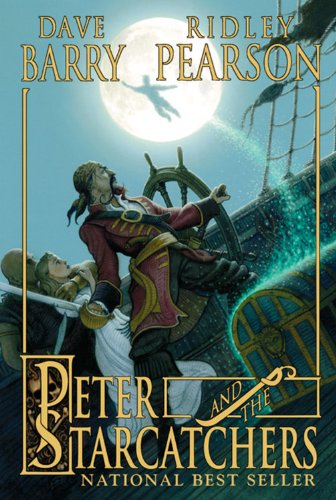
Friday, May 3, 2019

Nature-Friendly Gifts for a Birdwatching Mother's Day

As with a previous article...One year an Associated Content sponsor wanted a wide assortment of articles about Mothers Day gifts for mothers with different special interests. I showed the list to my mother, and she agreed to be the consultant to brainstorm about gifts for "Green" or birdwatching mothers. Here is the birdwatching list, revised and updated, with Amazon links. (If you use a link to buy the object shown, no shopping around, in theory Amazon sends me money. Duh. It's your mother's day.) As before, suggestions are sorted by level of birdwatching expertise.

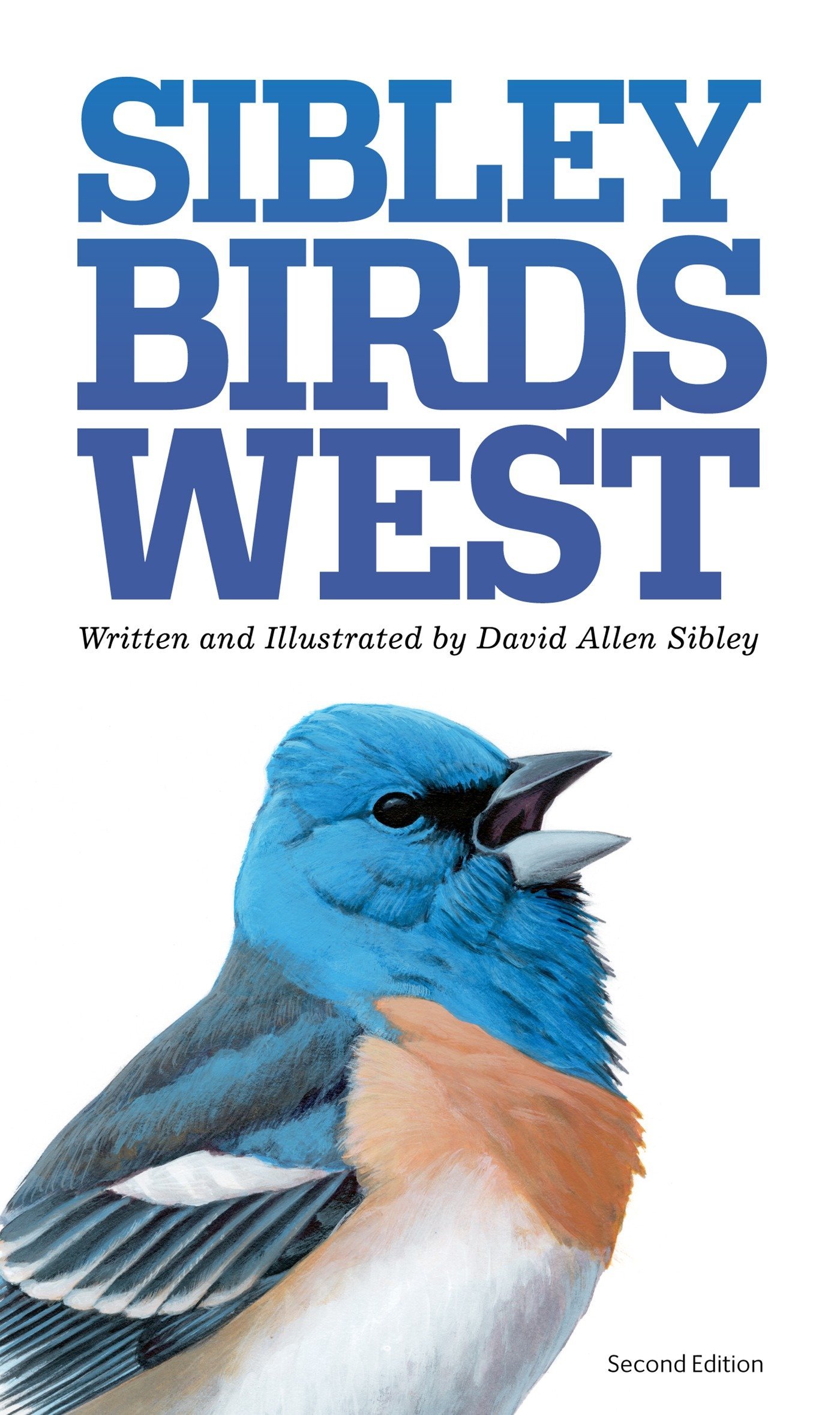
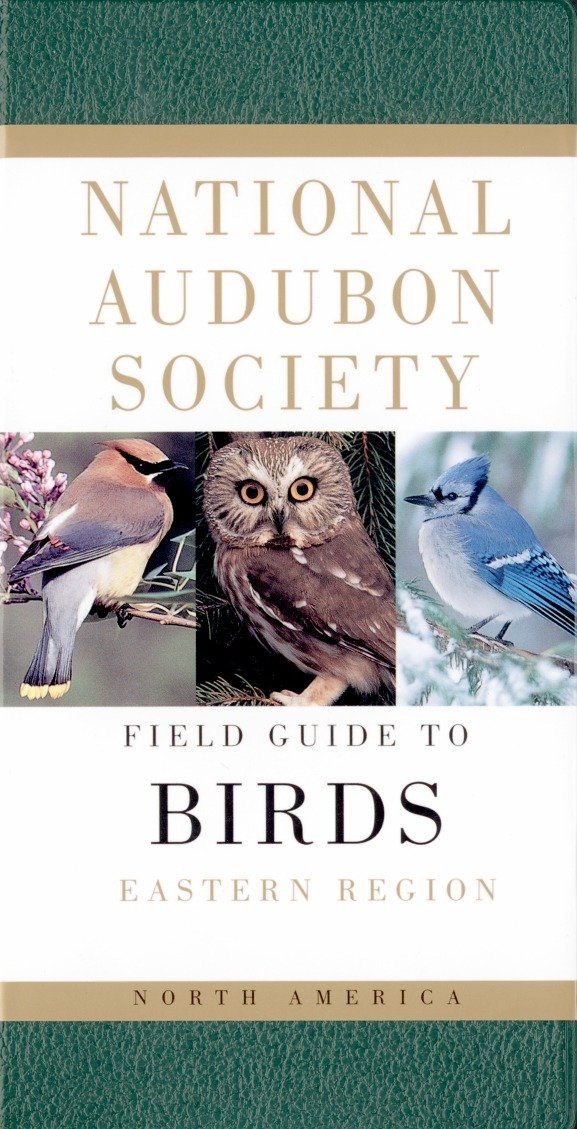
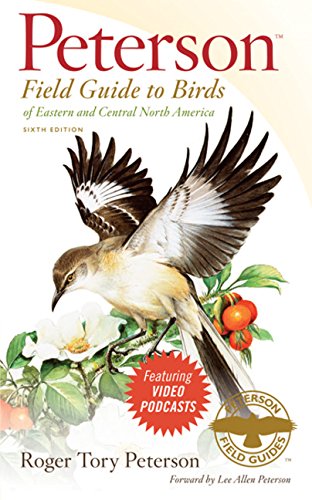
1. Raw Beginner: A raw beginner might not yet have a good field guide. Most birdwatchers find Peterson's field guides most useful in the field, Sibley's most informative for reading at home, and the Audubon Society's most inspiring (all those gorgeous photos). The birdwatching mother can probably use all three.


(I'm in an Eastern State. Are you? Let's mix it up with these links...)


2. Raw Beginner: Some beginners start watching birds without binoculars, usually because they become interested in big, tame birds like ducks or seagulls. Sooner or later we all want binoculars. Amazon wants you to know they're useful at concerts and sports events too!

Aurosports 10x25 Folding High Powered Binoculars With Weak Light Night Vision Clear Bird Watching Great for Outdoor Sports Games and Concerts

3. Mobility-Impaired: Birdwatching purists scorn the idea of luring birds close to houses with feeders. Bird feeders are, however, the easiest way for some people to watch birds. Some people even enjoy watching squirrels compete with birds for seeds, or identify with Marge Piercy's character who built a squirrel feeder. Whether you try to "baffle" the squirrels or not, however, make sure the feeder is well out of reach of cats, at least five feet off the ground. (Our Founding Queen, Black Magic, not an especially large cat, could scale a ten-foot wall, putting a foot down and pushing off twice on the way up. Graybelle, the extra-large cat who left a distinctive name to the Cat Sanctuary, could reach four feet off the ground without even jumping. Currently, Samantha Scaredycat, who may always be a small cat and seems to think of herself as prey, can jump over five feet straight off the ground. An alternative to using a stepladder to stock a bird feeder is a pulley arrangement that brings the feeder close to a window for cleaning and refilling.)

Perky-Pet 325S Panorama Bird Feeder

(Say whaaat? Amazon sells these feeders by ones, claims that's a "best seller," but then wants to link to pages that sells packages of two, four, or six. Oh well. The salient point is that this bird feeder is for hanging from a tree branch or clothes line. You can also find long poles for hanging bird feeders, bird baths, bird nest boxes, etc., at levels that bring our feathered friends close to upstairs windows.)

4. Beginner: Many birdwatchers belong to conservation groups--big ones with political visions, or little local ones with no agenda beyond reserving a space in a local park. Consider a lifetime membership in a group Mother respects but can't afford to join.

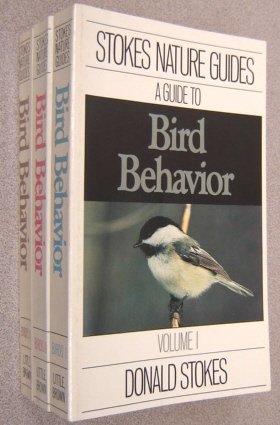
5. Beyond Beginner: After adding all the frequently seen local birds to their lists, some birdwatchers decide to watch for specific behaviors rather than travelling to add more species. The Stokes' Field Guide to Bird Behavior series describes several amusing things birdwatchers may see. Herons (who can actually form large flocks at night, however solitary they are while fishing) kiss when they enter family members' territory; avocets throw a wing over their mate while strolling together.


6. Any Level of Expertise, Low Income: Most nature parks are free to the public, but some mothers can't afford transportation to a local nature preserve. Consider riding the bus or driving (any birdwatching friends, actually) to parks they can't visit alone.

7. Medium Expertise, High Income: Some birdwatchers spare no expense to drive, fly, or sail to places where they might be able to add a rare bird to their lists. If Mother belongs to that crowd, or wants to, why not treat her to a tour of an obscure island?

8. Medium Expertise, High Activity: Although birdwatching gear is simple, active birdwatchers go through a lot of sturdy shoes, T-shirts, natural-material sweaters, waterproof nylon "shells," backpacks, and cameras. They may appreciate a shopping spree at L.L. Bean or the Army-Navy surplus store.

9. Serious Ecologist: Some birdwatchers are less concerned about personally seeing rare birds than about making sure the species survive. Conservation groups have developed programs just for this type of birdwatchers. For a fee you can "adopt" or "sponsor" a rare bird being reared in captivity or monitored in a preserve.

10. Any Mother: What Mothers Day was designed to celebrate was Mother's love of her children and grandchildren. While the mother of your children, grandchildren, etc., may be rearing a blended family of six and want quality time to go birdwatching without her brood, in the spirit of Mothers Day let's imagine that more readers and their mothers would enjoy quality time for Mother to watch birds along with her children and/or grandchildren. Sometimes the best Mothers Day gifts are free.

Wednesday, May 1, 2019

Godwin's Law and E-Mail Lists

From Tom Woods, via e-mail, and if you're not on his list you might want to be. Each daily e-mail is selling something, but it's also sharing a (usually short) bit of snarky news commentary. I left the sales pitch in for those who may be interested in checking out the product. Those who are already on TW's mailing list may want to scroll down below the excerpt from the e-mail they've already received, and read my reply:

"
On Tue, 4/30/19, Tom Woods (HappyEarner.com) wrote:

Subject: "Ron Paul: America's Most Dangerous Nazi"
Date: Tuesday, April 30, 2019, 2:39 PM

"Ron Paul: America's Most Dangerous Nazi"

That's the title of an actual book you can purchase on Amazon.

It has 165 reviews, with an average of one star.

Now in case the title didn't make it obvious enough that the author was a crank, the amateurish book cover should do the trick.

And look: the fact is, people do judge books by their cover...I have 300 beautiful eBook covers for you across a variety of niches that are easily editable (PNG files included)...I'm giving them away for nothing at all, as a bonus for a $17 product -- a product you need, by the way, since its sales page and landing page templates that will likewise cost you a fortune if you have them done from scratch by a designer.

The offer is about to close, and the price goes up a little bit with each sale, so get clicking:

http://www.happyearner.com/300gifts

Tom Woods

You are receiving this email because you opted in at pathstoincome.com or happyearner.com, or you texted PROSPER to 44222.

P.O. Box 701447
Saint Cloud FL 34770
USA
"

I replied:


"Ron Paul? What about Werner Baumann at Bayer and the corporate goons at Merck?

Seriously:

* Merck is currently sponsoring a campaign of persecution of devout Jews in New York City.

* Bayer bought out Monsanto, a US company that had earned a lot of hate even before their once trademarked product, glyphosate, went generic.

In order to market generic glyphosate, Monsanto and other companies told farmers and food processors that glyphosate was as safe as salt (a claim based on BAD misinterpretation of early studies) and could be sprayed directly on food crops before harvesting. Glyphosate soaks into many foods, like peanuts, sunflower seeds, beans, rice, corn, oats, tomatoes, strawberries, spinach, kale, apples, peaches, and other "healthy" favorites. As glyphosate-drenched foods hit the US market, cases of formerly rare food intolerance skyrocketed, creating the market for "gluten-free" foods among consumers who don't have genetic gluten intolerance--only to create more dissatisfaction as foods containing no trace of wheat gluten, or the other food sensitivity triggers, make people sicker than the alleged trigger food ever did.

Hospital emergency rooms classify immediate effects of glyphosate exposure into eight categories, lumping cognitive and emotional reactions into "miscellaneous" and ignoring glyphosate's alleged contributions to later developments like birth defects and cancer. Studies show that, across species, individual reactions vary enough that each type of reaction seems statistically rare--but the majority of all species studied show adverse reactions of some kind or other. Also, reactions mimic one another across species. Pseudo-celiac reactions (bleeding ulceration of the digestive tract) appear in mammals, birds, fish, and allegedly in insects. How it's possible to see bleeding ulcers in a bee, I don't want to know, but researchers claim they've done it.

* True celiac reactions are produced by a genetic pattern whose "strong" form is virtually limited to people of Irish descent. Celiacs are basically strong and healthy as long as we (I'm one) avoid eating wheat; before glyphosate began to be dumped on food we could look forward to long healthy lives as long as we avoided ingesting wheat products. However, glyphosate produces more intense celiac reactions than wheat itself. So, spraying glyphosate on food can reasonably be described as "Irish Genocide."

* Bayer has bought an expensive ad campaign on Twitter (and other media that aren't supposed to be "social" and "uncensored"), marketing the claim that glyphosate is safe. They now know this to be...a BIG LIE!

* And Bayer, Merck, and probably other large corporate sponsors have paid for a new version of Twitter that *systematically* cuts off communication among non-paying individual users. (It's called "quality filtering" and works by defining individuals' tweets as "low quality.") In other words, Bayer is buying CENSORSHIP to silence all opposition to its BIG LIE.

* And the home office of this corporation is...IN GERMANY!

* What kind of name is "Merck," anyway? [Yes, I know, the same kind as "Roosevelt," "Eisenhower," and "Rickenbacker"...but "By their fruits, you shall know them..."]

All they need are the uniforms--Bayer and Merck are ALREADY GOOSE-STEPPING...

More on Twitter; you'll need to go directly to the #glyphosate and #GlyphosateAwareness hashtags to find it. "Quality filtering" is theoretically fixable although it takes time (we have to exchange tweets with one another BY ONES, a chore even for me, with only about 700 Tweeps). It'll take a while and I'm using that while to share the link to the idea of building a post-Twitter network. I will be setting up an e-mail list, probably with Mailchimp; you're welcome to join. Fundraising will eventually be necessary; paywalls won't--I don't expect the campaign will take that long.

Priscilla King
"

I don't know, and won't know, exactly how many people I follow and am followed by. That's because (1) the precise count changes daily as Twitter accounts come and go, and (2) Twitter counts the two lists separately; there is some overlap. I'm not keeping count. People are following and unfollowing as I tweet to each individual Tweep to reactivate our connections.

I am watching to see recent e-friends like Iris Yang, Ellen Hawley, and Barb Taub, who are premium quality (authors of above-average books) but joined my list relatively recently, appear in my notifications before I get up through the list to tag them. That would reassure me that Twitter is recovering its sanity. I expected it to have happened a week ago, when I turned off "quality filtering." It hasn't happened, and I'm not pleased...

I e-mailed back to the Children's Health Defense fund (founded by Robert Kennedy) earlier this morning, too, and I e-mailed Senator Warner this week, because I anticipate interesting replies from those offices. People who don't rely heavily on e-mail will need to add themselves to whatever e-mail list(s) I eventually set up. I always read individually typed e-mails first, too, and have never sent out a bulk e-mail before today; I did that for clients so long ago that the existing systems are probably completely different. I've never e-mailed most of you readers, or wanted to, when Twitter (used to be) so much faster...but life is short. Twitter is forcing me to take this step.

I promise: No sharing of e-mail lists, ever. No requests for personal data online; if your screen name is not a business name you've registered as such, I don't want to know. No more than one bulk e-mail per day--my understanding is that that's all services like Mailchimp do for free anyway. No insertion of personal data into bulk e-mail to make it look like a real, personal, hand-typed message when it's not. No use of fundraising services that demand that you enter your Paypal password on their page or transfer real-world contact information online. E-mails will contain current fundraising information, such as the new Paypal address when that's restored (currently you have to send U.S. postal orders to the Boxholder, P.O. Box 322), but will never consist of fundraising appeals entire and alone. If I can't build an e-mail list that I wouldn't mind being on, myself, I'll not build one at all.

E-mails will differ from the blog, although they may eventually appear on this site or a separate one. One possibility will be "creature features"--making our e-mails fun reads by sharing facts about pretty flowers and lovable animals that are threatened by glyphosate. Subscribers will be encouraged to suggest more ideas about what they want to read. Glyphosate Awareness will remain politically bipartisan, or multipartisan, and separate from--though obviously related to--other pesticide, pollution, and health issues.

Fundraising will be necessary if we have to go to real mail, because real mail costs money. I don't expect to get rich off Glyphosate Awareness--unless, and until, we bring Bayer to heel, and Heaven speed the day!--but a decent-quality real mail campaign takes paper, postage, and also time to make mailings responsive to any replies offline people take the trouble to send us.

Also: #GlyphosateAwareness, on Twitter, is global. My activism is U.S. only. I'll continue to share information published in other countries, but will send e-mail only within the U.S. (I don't care where e-mails may be forwarded.) Foreign allies are free to send money to me if they feel like it, why not, but are encouraged to support campaigns to build Glyphosate Awareness in their own countries. This especially applies to Canadian readers, who are hereby cordially invited to drive down for weekend visits, and whose own public health services need Glyphosate Awareness, driven by local taxpayers, National Health users, etc., at least as much as ours do.

Tuesday, April 30, 2019

Grandma Bonnie Peters, Mothers Day, and Measles--UPDATED

*****

UPDATE: On revisiting this post I've become convinced that it uses the word "measles" in an outdated and misleading way. If you read the whole long post, I do talk about the related but different virus infections that people my age and older used to call "measles." In my town in 2019 we did indeed have an outbreak of what used to be called three-day measles. People who had had the recently used measles vaccine showed the rash because what doctors now call measles is what we used to call the three-week kind, so, although people were blaming anti-vaxxers for the three-days measles in 2019, in reality the vaccinated were about as likely to show the rash as the unvaccinated were. One person quoted as denouncing anti-vaxxers in this post later passed on the correction to me: "If it had been measles it would have been world news. It wasn't measles. It was something else." 

If the virus are different enough that a vaccine against one has no effect on the others, it's misleading to use "measles" to mean any of a group of similar virus infections, even though that's the way we understood the word fifty years ago. It's as bad as using "COVID" to mean any strain of any coronavirus when you have a load of vaccine for Original COVID to distribute to people who have already had that virus, whether they recognized it or not,, and are now at risk for Delta COVID, against which the vax for Original COVID was useless. So I officially declare this post misleading. I will leave it up with this warning for a few more weeks. Then it will disappear.

*****

Interviews with Grandma Bonnie Peters, the Grandmother of This Web Site who is some readers' primary reason for reading it, are scarcer than they used to be. However, she called me early Monday morning to predict, accurately, that Monday was going to be a lovely day for me to walk out to Kingsport and chat face to face.

The trouble with doing things "spontaneously" or even as the weather dictates is that people miss out. About a dozen people in Gate City had expressed an interest in visiting GBP the next time I did. Of these at least half were, or have since become, non-drivers so I didn't even bother calling them unless one of the others had room in a car. Of the ones who are still driving, all were busy on Tuesday, though some used up many pre-paid phone minutes trying to reschedule the visit.

The good news is that GBP is still quite an active grandmother--not mine, but of four young people who are hoping to spend part of the summer at her house. She declined to go for a walk with me because she had walked too far with the children's group at the church picnic on Saturday, in new shoes, and raised a blister. She walks more slowly and stiffly than she did before taking a fall last year, but still likes to walk a mile or two before breakfast. She has come to terms with having become too old to work at Wal-Mart just as Wal-Mart opened the store near her house, and is now angling to volunteer as a teaching assistant at a growing church school.

We talked, as usual, of many things. GBP admitted with some embarrassment that she might not have handed this computer down to me if she'd known how easy it is to enlarge the view of any web site or Word document. She admitted, without embarrassment, having voted for President Trump, or at least against Hillary Rodham Clinton. I admitted, without embarrassment, having thoroughly enjoyed Melania Trump's revival of the red plaid suit or dress, this winter. Mostly we talked about glyphosate and measles and the new wave of censorship that's threatening to destroy the Internet, or at least the public, social, recreational uses of the Internet.

We agreed that being an aunt or a grandmother is a semi-chronic condition. As your own nieces/nephews/grandchildren grow up you find yourself having auntly or grandmotherly feelings about other children.

Well, one child to whom I'm partial, who's not my nephew, is having a rough time with measles.

These "childhood diseases" spread fast. Last Tuesday I saw, at a good healthy non-speaking distance, three people who looked as if they'd been cast in a movie about a poor, pitiful, hardworking single mother who couldn't afford the measles vaccine, and she'd just been called away from her minimum-wage job, at the risk of the said job, to take her measles-stricken children home from school, and their story was about to reach its tragic end because this young woman was so obviously unfit to drive...I don't know. I hope they lived in town and were able to walk home before anyone fainted. Measles is usually a "measly" infection, but for those who don't take it seriously and try to walk while infected, sudden collapses are possible.

On Thursday I saw a young woman who has the gift, partly because she's a tall blue-eyed blonde, of seeming cool when she's actually steaming. A friend asked a leading question about her child, and the steam spouted in all directions! He was sick in bed after an insensitive nurse, and/or over-solicitous doctor, had been "just jabbing needles in and out of his arms," giving him a mad mix of symptom-suppressing medications, and she already knew she reacted badly to one of those medications, etc., etc. Ouch. I'm fond of this child too. Then when I spoke to one of my generation in that family, the grandmother, she was steaming too. "The crazies," she hissed and spat, "who don't have the vaccine and spread the measles..." I expressed good wishes for her health and rushed on to catch a ride with someone who had spilled a box of fresh, fragrant dryer sheets on the floor of the car. When I sneezed four or five times I blamed the dryer sheets, but four hours later I knew it wasn't only the heavy chemical scent I'd inhaled for ten minutes.

On Friday I wasn't too sniffly to notice an unfamiliar smell in the room. Yikes, it seemed to be coming from me! It didn't wash off! It wasn't a body odor, or strep or listeria, but somehow it brought back memories of being ill. And I felt very tired and sleepy, although I'd slept well all night. And grumpy. And bleary-eyed--I couldn't read anything in the normal display settings on any of the computers I use! I could hardly read a book! The morning air felt chilly--I guessed, as I went out on the porch, the temperature would be around 35 or 40 degrees Fahrenheit, going by how chilly I felt. Wrong. The temperature was 50 degrees Fahrenheit. But a cold raindrop on my face made my nerves jangle...my own personal temperature was a degree or a half-degree above where it ought to be. I'm well and widely known for not being afraid to get wet when I'm not fighting an infection, but when I am fighting an infection I do have enough sense to come in out of the rain. No market, no cafe, no Internet for me. I texted to someone who'd complained of feeling sick that I hoped she'd had, and I now had, mere Norwalk Flu (the "24-hour" tummybug), but what I was feeling and smelling was definitely not Norwalk Flu.

It was measles.

Even when I was in grade nine, in the Carter administration, measles, mumps, rubella, chickenpox, and scarlet fever were "childhood diseases." (Some people were trying to popularize the words "rubeola" and "rubella" to refer to two different virus infections, both of which people I knew called measles.) Vaccines were sometimes offered, but not trusted or recommended for most children. The best "prevention" for having these diseases as an adult, for whom they might become serious, was to have them as a child and enjoy the quarantine as a vacation from school.

"Measles was no vacation for me," GBP recalls. "I had all three kinds, the three-day kind, the three-week kind, and a kind that lasted me about ten days." (These three separate viruses all produced eye inflammation and flushed, sunburnt-looking skin, so they were all called measles in the 1930s and 1940s when GBP was suffering from them. Nicknames like "German measles" and "black measles" were also used by her generation, although I've heard them linked to the current names for this type of virus in different ways.) "They all settled in my eyes, and I was miserable. I cried, which of course made it worse. My eyes swelled shut. Mama rocked me, Daddy rocked me, Sis rocked me, and nothing helped. I had a horrible time."

My brother and I had inherited relatively good resistance to all of the "childhood diseases," and thoroughly enjoyed our quarantines, but even I remember measles as a massive bore, because of the risk of permanent damage from aggravating bleary, inflamed eyes. To achieve immunity to measles as a possibly-serious disease for adults (or for fetuses), the child has to be constantly supervised and entertained. If siblings or cousins can recuperate together they have the best chance of not minding being unable to read, sew, etc., for several days. (Television was still not universal when we had measles--we didn't have to miss any favorite TV shows--and video games, computers, and cell phones were the stuff of science fiction. Kids could talk on the telephone when they had measles, for as long as they were willing to sit on a chair below the big black box phone on the wall.) At one point I remember promising not to read or write if allowed to spend some time in my own room, then getting scolded for aggravating my eyes...Mother hadn't said I couldn't work a 750-piece jigsaw puzzle, why not, no faaair, but I had to admit my eyes felt blearier.

Measles vaccinations became popular, I suspect, because more and more parents are afraid of losing their jobs if they take the time to nurse children through measles. And although GBP, at 84, still uses "lower strength" eyeglasses than some of her grandchildren wear, "three-week" measles was typically the most unpleasant of the childhood diseases...

Oh, not that scarlet fever was the picnic for everyone that it literally was for my brother and me, we reminisced. Scarlet fever is basically a cold triggered by a tougher than average strain of streptococcus bacteria. We all live with streppy-bugs all the time--one strain is even among the "friendly" bacteria, along with acidophilus and lactobacillus, deliberately added to milk to make yogurt--and most of us don't notice them, but a few strains of these bacteria can, in vulnerable people, produce "strep throat" or "scarlet fever" or, in the worst case, "rheumatic fever," which became less rare in times and places when vaccines for scarlet fever were being tested.

Did I even have scarlet fever? Well, one morning when Mother woke us for school and asked how we felt, my brother said, "Not like going to school," as usual, and for some reason--maybe he'd unbuttoned or pulled off his pajama shirt--Mother said, "You're not going to school." Then she came in, turned up the lights, felt my forehead, yanked up my shirt, and said, "You have a fever too, even though it's low, and a little bit of the 'scarlet' rash around the waist, and you're not going to school either." Back then your mother (or whoever) called the doctor to describe your symptoms, and the doctor said "Yes, that's going around at school; keep them home for this many days." I was an undiagnosed celiac who didn't know what normal health felt like, and at no time during our quarantine with scarlet fever did I feel in any way worse than I usually did. It was about this time of year. The basic immune system reaction tends to produce a lazy grumpy mood; at a lower level, when the infection has lost the battle, the immune system reaction produces a "high" mood--when I do notice the scratchy feeling and foul breath known as "strep throat" I feel exhilarated. So my brother and I did indeed pack picnic lunches and pick morels in the woods, and play tennis, and bake cookies, and generally enjoy that vacation. What convinced us that we had a real disease that was worth missing things for was when my natural sister came down with it. She did not get the gene for resistance. She was miserable for six weeks and is still living with permanent nerve damage.

I used to wonder whether our parents should have tried to get antibiotics for my sister, until Heather Whitestone, the deaf dancer, won the Miss America pageant. She had scarlet fever at about the same time, within a few hundred miles of the same place, my sister had it; presumably the same germs. She had the antibiotics. Six of one, half a dozen of the other, she proved. Heather Whitestone kept her graceful step and charming, cheerful personality, but lost all sense of hearing. My sister became depressive, but she can still hear most men's and some women's and children's voices.

Any fever can damage anyone's brain and nerves at any age. Both of us ranted a bit about the unhelpfulness of using "autism" as a synonym for "neurological damage of any kind at all, if a child seems shy and awkward about it," but obviously any prolonged fever can bring out, or aggravate, autistic tendencies. Or paralysis. Or blindness or deafness, or bizarre partial losses of sight and hearing--people can lose the ability to hear only certain sounds. Children almost never die from measles, or from reactions to vaccine (although some children's reactions to Merck's MMR vaccine have been fatal) or from reactions to antibiotics; but before the vaccine was invented, many people did use to blame loss of vision on measles. Here, too, an honest consideration of the evidence can look like six of one, half a dozen of the other.

(For a blast from the past, consider the measles sequence in Five Little Peppers and How They Grew.)
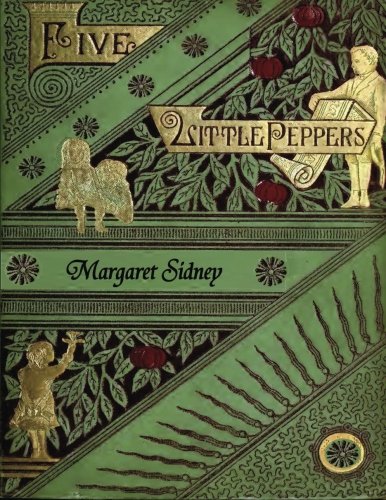


So, people who don't want to go through all this may reasonably choose to have the measles-mumps-rubella vaccine instead. As noted, this web site recommends a risk-benefit analysis...

Take the Risk: Learning to Identify, Choose, and Live with Acceptable Risk by [Carson M.D., Ben]

Dr. Carson says the benefits of the MMR vaccine outweigh the risks for most people. I wonder to what extent a defective sense of priorities affects that, but I'm biased, because I had the vaccine...after having the diseases. In order to attend Andrews University in Michigan in 1985, before a blood test for immunity was developed, I had the MMR vaccine. 1985 turned out to be a very bad year to make that choice. Along with about a hundred other young people I didn't even know, I became one of the "Michigan Group" of people who showed symptoms of mononucleosis for more than one year, some up to five years. Despite the superficial things some wanted to claim we had in common (more U.S. than Canadian citizens, more girls than boys, etc.), what we all had in common was a contaminated batch of vaccine. MMR is a live-virus vaccine, which always involves some risk of contamination. Far more than a hundred people have enjoyed the benefit of immunity to measles...but recently, rather than mere mononucleosis, a few people have claimed another batch of vaccine caused fatal encephalitis.

The position of this web site continued to be that the risks and benefits of MMR vaccination should be discussed with an individual's doctor. Some strains of an infection are deadlier than others. Some batches of vaccines (or antibiotics for that matter) are more beneficial than others. Some individuals' resistance and weakness is different from others'. For your own personal benefit, don't rely on either corporate advertising, which is total garbage, or other people's experience, which may be honest but still be irrelevant. A good, competent, personal doctor has access to the facts that are most relevant to you, which neither corporations nor organizations nor random people on the Internet have. Of course, a careless doctor can be worse than none...

"One of my grandchildren had a double dose of the vaccine as an infant on the Navy base," GBP says, "and I saw that that child had a fever, and now that child has permanent neurological damage." (Actually she named the child and discussed per symptoms in detail, but this web site does not disclose identifying information about private individuals.)

Nevertheless...GBP had all three measles-like infections as a child. As an adult, she enjoyed full immunity and "could not" get measles.

I had measles, mumps, rubella, and the vaccine before my twenty-first birthday. As an adult, I enjoy full immunity and "cannot" get measles.

Right? Well...right and wrong!

It's probably no longer possible for known strains of the measles virus to linger in my body long enough to give me the flushed face that used to be diagnostic for everything that used to be called "measles." In that sense I can't get measles now. I could be one of the people who rock infected babies or read aloud to infected children, and probably feel no worse than I did after seeing those three measly faces in a crowd.

On the other hand, like any other living or non-living thing, I can get measles in the sense that the airborne virus can alight on me. The way I was feeling on Friday and Saturday (and I did a lot of extra sleeping on Sunday, too, and although this computer has the highest resolution of any I use, it's bothering my eyes more than it usually does today)...reminds me that the virus can still activate my immune reactions. And if it can activate my immune reactions, it could infect a vulnerable child. I was right to stay home all weekend as a matter of quarantine. Measles can no longer do me much harm, but it could still ride around on me and do harm to someone else.

This morning, I saw Measles Boy's mother again, driving, turning a car into the morning sun. Through the window her face looked bright red, her eyes squinty as if the morning sun hurt them more than it normally could. Later in the day I sneaked a peek...she'd painted on a lovely California-style tan, but she still looked tired and took extra-long breaks. She, too, "can't get measles" in the sense of really coming down with it, but, from being around Measles Boy, she has got measles in the sense that the virus is giving her "cold-type symptoms" and could affect anyone near her who lacks immunity to the virus.

Which is why those anti-Jewish, anti-Jehovah's-Witnesses campaigns ("Everyone MUST have the vaccine or be banned from schools, parks, libraries, from entire neighborhoods!") are a load of corporate greedhead rubbish, and should be recognized as self-discrediting.

I bristled all weekend at these people's being smeared as "crazies," although I'm not one of them. I made my personal commitment to Christianity in a whole-Bible church, now defunct, that did preach that Christians should avoid all contact with the blood of any other lifeform, because in some mystical way "the blood is the life" and that still has some spiritual meaning for us. I grew up to have some doubts. I've seen that transfusions, transplants, and vaccines have saved lives, and I've had no mystical vision telling me that that was a bad thing. I incline to think my adoptive brother's ability to see through a transplanted eye, or my husband's extra days of life after receiving a transfusion, were sort of wonderful things. But transfusions, transplants, and vaccines do involve enough risk that reasonable people feel that "the science" vindicates their belief that God wants them to avoid all contact with blood, eating a kosher or halal or even vegetarian diet, as part of their spiritual identity.

When I was a teenager in the Lord's Covenant Church, people used to cite a book called The Poisoned Needle, which deserves to be out of print now. I still have pages copied from that book among my souvenirs. They're historically valuable. They show how, long ago, some vaccines were epic fails--continuing up to the 1970s, when one batch of flu vaccine was shown to cause one kind of cancer. They're not relevant to this post, because none of those failed vaccines is used today. The Poisoned Needle still ranted about injections being given for polio...mercy. In my lifetime nobody had injections for polio! Dr. Salk had moved us into a whole new world of polio-freedom! People who are still appealing to science about "vaccines" generally are on quicksand. Their spiritual beliefs, and their personal risk factors, are relevant data. A "scientific" consideration that fails to distinguish among the different vaccines that have been used since Pasteur's time is not scientific, and would be better not used at all.

Although avoiding vaccine might allow unvaccinated people to carry more disease germs further and longer than fully immunized people do, it does not make them the only ones who might transmit those germs to immune-compromised people. Their constitutional right to practice their religious beliefs should be respected. Immune-compromised people need to face the reality that anything, a passing bird or butterfly, can transmit an airborne disease germ to them, and they have to take responsibility for quarantining themselves.

The position of this web site remains that vaccines carry enough risks, despite their benefit, that only in cases of mortal danger (if it were a polio epidemic...yes, in spite of my family's survivor gene...no polio survivor has disputed the claim that, even if they went on to give birth to children without anesthetics or walk on broken legs, polio was The Worst Pain They Ever Had, while the majority of children exposed to polio simply didn't survive) should children be vaccinated without their informed consent. I'm not saying I would never try to persuade a five-year-old to have a vaccine that was working for me, but I am saying I wouldn't force the vaccine on a child.

Both measles and mumps can be painful for children, or for their parents to watch, if children choose the safest way to immunize themselves for life. Say no to the measles vaccine, say yes (maybe) to weeks when the child must not read, or watch TV, or play video games, or...I think most people who live in cities, where about all there is to do at home does involve having to focus their eyes, are going to want the vaccine. If you want it, and/or your doctor says you personally will need it, get it now.

But take the vaccine (if you do) for yourself, not "for the immune-compromised to benefit from the herd immunity effect." Herd-schmerd! Most people who are immune-compromised to the extent that they can't have the MMR vaccine are immune-compromised generally and their best chance of living through the year is to quarantine themselves. If other people who are immune to measles are exposed to measles, what happens is that we become immune carriers of measles, as we are of so many things that are hazards only to the immune-compromised.

Breathes there a soul so dead as not to feel empathy for children whose immunity is compromised by chemotherapy for leukemia? I hope not. But, whatever the pharmaceutical companies may want us to think, your or my being fully immune to measles does not protect those children in any way. If little Luke the Leukemia Survivor prefers the risks of socializing with other kids to the risk of growing up in a "bubble" of permanent quarantine, that may be his choice, and if he were my son I'd let him make it; I would not blame those other children for the reality that, if measles didn't kill him, something else, maybe rhinovirus or strep or common blue mold, for which there is no vaccine, would do it.

What has really happened, when a critical mass of people achieved full "herd immunity," such that nobody on an entire continent had certain diseases, has been well documented in the history of the last millennium. North America became a paradise, rich in resources, sparsely populated, and free from smallpox and syphilis and several other things. And then Europeans "discovered" or rediscovered North America, started immigrating in masses, brought those diseases back to this continent...and the descendants of the people who had enjoyed "herd immunity" suffered from "herd lack-of-immunity," because resistance had been bred out of the population, and they died like flies in the first frost. That's why our continent now has a majority of European or crossbreed rather than Native American ethnic types.

This year's "epidemic of measles" is no more likely to kill children, or even blind them, than any of the previous "epidemic of measles" that all baby-boomers and seniors survived, unharmed. That is not to suggest that it'll be pleasant, or that all parents can afford to let children acquire immunity by having the disease. Even so, the position of this web site is that censorship is more harmful than measles. Merck's corporate effort to impose censorship of "anti-vaccine" posts on Facebook is vile, and should be opposed in every way. You should even consider writing an actual letter to P.O. Box 322 about how we're going to continue circulating information in a post-Internet world, if the Internet does not vigorously reject all efforts toward censorship.

Don't ever delude yourself that having the MMR vaccine, or any other vaccine against any airborne disease, will protect other people. If your doctor insists that you need it, take it for yourself. Do that now.

Thursday, April 25, 2019

Mark Warner on Virginia Miners' Benefits

From U.S. Senator Mark Warner (D-VA):

"
Dear Friend,
Throughout my time in the Senate, I've made fighting to protect the safety net for Virginia's retired coal miners one of my top priorities. Unfortunately, some Virginia miners and their families are at risk of losing their benefits if Congress doesn't act. Working with West Virginia Senator Joe Manchin, I've sponsored a bipartisan bill called the American Miners Act that would protect the pensions and healthcare benefits that miners all across coal country have earned through a lifetime of hard work.
Below you can read my op-ed, published in the Bristol Herald Courier, with more information about the American Miners Act and what I'm doing to fight for these miners and their families in Washington. I hope you'll give it a read.
If there’s an issue that’s important to you or a question you’d like to ask, I invite you to send me an email and follow my work in the Senate on Facebook and Twitter. I look forward to hearing from you.


Sincerely,
"

[that signature graphic Google doesn't like: Mark Warner]

Wednesday, April 24, 2019

Twitter's Awkward Compromise

First of all let me observe that Jack Dorsey and the Twitter Team probably felt very proud of Twitter's latest compromise between the Real Twits' insistence that Twitter be of and for the people, and the mere twits' incessant whining for censorship. I spent some time investigating this last week. Twitter now does use censorship, and it doesn't.

For those who don't know, I host a live chat on Twitter on Tuesdays, 2-3 p.m. local time (New York time), called #GlyphosateAwareness. All use of that hashtag during the week brings you into the chat, whether you participate in it live or not.

The technology of this live chat is the simplest. I want anything I publish online to be accessible to people using Opera from 1992. I use both an officially obsolete version of Windows Explorer and an "older" version of Chrome for Twitter. (Sometimes I use them at the same time--the picture-free version of Twitter that opens in Explorer is much faster and smoother than the flashier version that opens in Chrome, but retweets and replies work differently.) I use Chrome for the chat. Of course Twitter's live chat system works "better," more like a chat app, for people who use newer browsers. For me, the difference between my chat and ordinary Twitter is that I stay online, watch for new tweets, and respond to them directly during live chat time; I do that only sporadically at other times.

That's already one reason why the Glyphosate Awareness chat isn't livelier. Another reason is that people's glyphosate reactions are very personal and individual, but they tend to be things that people don't actually want to chat about, live, with strangers around the world, unless they happen to be researchers sharing scientific study links. As a result the chat consists primarily of links, mostly but not exclusively to studies published in English or French, with some cross-talk, comparisons, and some discussion of translation issues. People who aren't doing research find a lot to read but they don't necessarily want to chat about it; it's not like one of those political radio shows where each person feeds the others' partisan zeal. And of course it's not at all like those feel-good hashtag pages where people come back daily to look at pretty flower pictures or cheer for champion athletes. Glyphosate Awareness is, by nature, a cold prickle.

So are we "trying to scare people," as one troll claimed? I don't think so. People's emotional reactions are hard to predict or control. Some people may be scared, or enraged. People who really hate their fellow humans might even be exhilarated by learning how much harm glyphosate does to people. My goal is not to leave anyone floundering in a quagmire of any emotional feeling, but to give people information they can use to get more control over the way they feel, physically and also emotionally.

Somewhere Out There someone who's been told that Christians ought to feel cheerful and benevolent all the time is thinking, "What's wrong with me? Why am I having these sudden flashes of anger that's not even giving me the energy to resist or evade any real danger? What unconfessed sin is on my conscience, what demonic spirit is oppressing me," etc. etc. etc. For some people this kind of thinking is deadly serious. For those people it can be lifesaving to know that one of the reactions some people reliably have, every time they're exposed to glyphosate, is a sudden surge of what some people experience as anger, others as anxiety or despair. They do not have to wallow in those emotions. They can choose to fix the facts first, and let the emotional feelings follow.

Obviously a Twitter chat is no substitute for consulting a doctor, but for many people who do consult a doctor, after ruling out the most common causes for stubborn symptoms, it can be useful to consider glyphosate as a factor that's become very common before doctor and patient start worrying about something that's very rare and highly fatal and probably not present in any case. With or without exposure to glyphosate, very few people get non-Hodgkins lymphoma. With or without exposure to glyphosate, a lot of people get chronic fatigue as a symptom of mononucleosis, anemia, or diabetes. After exposure to glyphosate, a lot of people who don't have mononucleosis, anemia, or diabetes show fatigue, malaise, lethargy, sluggishness, even narcolepsy. Once they know this, these people can do something to reduce the amount of productivity they lose to fatigue and malaise. Glyphosate Awareness can and should produce an emotional feeling of resolution and empowerment and relief.

Again, maybe it's due to my early conditioning by the Washington Post, and maybe it's true that people in the rest of the world never learn that a news story about something that's sad but fixable is actually a feel-good news story when it motivates people to fix the problem, but I don't think so. I believe that the emotional effect the Glyphosate Awareness chat has on intelligent adults sounds less like "Ooohhh, woooe" than like "A-ha!" If you guessed that Bayer's corporate shills are not actually concerned about people's emotional moods, so much as about the fact that empowering those people to feel good is as simple as cutting off a stream of income for Bayer, you're absolutely right.

Personally, I have very mixed feelings about all the people who want us to censor or stifle any of our thoughts that "hurt people's feelings." First of all, who are those people, and why are their feelings so much more important than ours? Second, why would they even feel safer if they succeed in stifling the expression of thoughts they don't like, instead of being afraid that the people whose feelings they fear so much might, if denied the chance to talk rationally about their feelings, act them out violently? As a woman I don't like knowing that some men dislike and resent women, but I feel much safer when it's easy to recognize those men and avoid them than I would feel if I'd succeeded in stifling them and found myself married to one of them. But third, most of the time, it seems to me that the crybullies who want us to worry about those mysterious "people's feelings" are actually using hypothetical people's hypothetical feelings for their own immediate profit. Bayer doesn't want people to feel healthy, empowered, and free from any need for name-brand drugs. Bayer wants people to feel happy about popping pills in strings daily--the pill to suppress the painful reaction to chemical pollution, the pill to reduce the side effects from the first pill, the pill to block the primary effects of the second pill, and so ad infinitum.

Bayer would actually benefit from having the ability to suppress any publication of the principles of personal health care, which eliminate any need for most of us ever to swallow a pill. Temperance means no market for Alka-Seltzer. Regularity means a greatly reduced market for aspirin. Emotional intelligence means no market for psychopharmaceuticals. Contemporary pill pushers chased Sylvester Graham from town to town with stones, for telling people that many of them would enjoy the benefits of regularity if they ate whole-grain bread rather than fibre-free pastries. Today's pill pushers would like to stone people who are good models of the benefits of healthy personal choices, too.

So, Bayer bought ad space on Twitter and demanded that Twitter "Do Something" about us horrible people who are "scaring" people away from using glyphosate. Bayer trolls are still circulating those memes about glyphosate being "as safe as salt, less carcinogenic than coffee." Righto. We don't need to censor those memes. We need to find the people who circulate them, surround those people with cameras, and demand that they prove what they say by drinking a litre of "Round-Up." The fun part is that some of those people would live; some wouldn't even have to be rushed to the hospital. Some living things do survive exposure to large amounts of glyphosate; apparently they're the ones that produce defective offspring later. But none of the shills wants to find out exactly how they react to this chemical they want people to think is "safe."

I checked. New Twitter claims to offer all sorts of new fun stuff that Twitter did not originally offer. For the individual user I don't see any of that fun stuff. What I see is, primarily, a clunky format that shoves a bigger, more annoying ad graphic right up under the first tweet on each page. I see a lot of users affirming that nobody but the advertisers likes this. But Twitter is now offering some new benefits for advertisers. That "top view" Twitter now works so hard to show you first, if you don't go to the top of each page and make sure you're seeing tweets in chronological order, buries tweets from your individual friends below masses of sponsored product-friendly drivel spewed out by the advertisers.

Well, there goes Twitter's primary social value--its speeding up individual communications among small groups of private people, about emergencies. There was a time when Twitter had real potential for helping people know, as it might be in a flood situation, which blocks of houses were evacuating, which bridges were out, and which puddles were deep enough to stall a car engine, minute by minute. "Top view" makes that impossible.

Twitter is now indulging advertisers in the delusion that people will continue using social media that are edited to be as bland and product-supportive as commercial television. Give us a break. Twitter might have noticed that a lot of Real Twits do not watch commercial television. On social media that are totally dominated by private, independent people, where advertisers can add their voices to everyone else's on an equal basis but have no power to filter out anti-commercial thoughts, it's possible that people who've cultivated high sales resistance might utter and even listen to honest product-friendly messages. The value of a product-supportive tweet used to be high. The value of a product-supportive tweet on sponsor-censored Twitter is negative.

Twitter could have chosen to take the high road: tell sponsors the Advertising Age is basically over, but they could, on uncensored, unfiltered Twitter, have joined conversations in a polite, respectful way that built a good impression of their brands. This is, of course, NOT done by anything that looks like a TV commercial. NOT EVER. A big irrelevant picture of a product on Twitter is the equivalent of a loud obnoxious person, probably reeking of some weird chemical odor that you suspect is more likely to be a louse treatment than a new perfume, plopping down beside you and your lunch date at a picnic table and bellowing, "Buy my product! Everybody needs my product!" You'd call the police. If the comments on those Twitter ads are any indication, people who've been happily drinking Coca-Cola for years are ready to call the police on the Coca-Cola Company's social media blighter.

There's a right way to use Twitter to make people aware of a product--by joining conversations in a nice way, or posting useful or pretty or funny content with your brand on it--and a wrong way. Twitter's "promoted tweet" ad campaign is definitely the wrong way.

I see ads on my chat page, and...I know it costs money to maintain Twitter, and Jack Dorsey has as much right to make a profit as anyone else has, but this is so not the way to do it. I've tried replying to advertisers by suggesting that they actually join the discussion of Glyphosate Awareness. I'm not at all anti-business, or even anti-profiteering. I'd like to see insurance companies use our hashtag, free of charge just like human beings, to discuss the hazards of using glyphosate or other sprayed "pesticides" and the extent to which using these products should raise the price of insurance. I personally don't like the insurance racket, but I don't see it going away and I can see it accomplishing some good here.

For advertisers, the choice is between (a) spending more money on the sort of intrusive, annoying advertising that will probably never work as well as it did a hundred years ago, and thereby ruining Twitter; or (b) spending very little money, but a little intelligently focussed time, on the sort of modest, inoffensive advertising that may actually help the brand's image, and accepting what Real Twits expect from Twitter.

I've checked this, too, right after Twitter Analytics reported my Twitter "reach" dropping by ninety percent overnight. Some readers remember that, two weeks ago, I advocated that all of us who use Twitter go back through our lists of followers, however many hundreds or thousands of them, and whether or not we have any idea how some of them ever got onto that list, and make direct contact with them--to start planning how, or whether, we'll connect to them in a post-Twitter world. Well, I did that. I've been doing it. I have a few hundred Tweeps left to tag, but I've seen enough to know...Twitter's idea of "Top Tweets" and "Quality Filtering for Notifications" has kept some Tweeps from seeing each other's tweets, it's inflamed the ones who've pounced on SPLC's group flagging and shadowbanning as evidence of political bias, and it's caused quite a few to turn and walk slowly away.

A page of "Top Tweets" that shows just one tweet from a friend, but not necessarily person's most recent one, on top of a big splashy ad graphic eating up half your screen, does not say "Read on; more good stuff below." It says "Just call Tracy to find out what that tweet was about and close this tacky TV-looking window."

Then, suppose you know your friend Tracy does not like live phone calls, so you check your notifications page. Twitter has automatically turned on "quality filtering." That's the sponsors' notion of quality, nothing to do with yours. You can fine-tune this feature if you choose--to edit out individuals who've not disclosed a live phone number to Twitter, individuals who aren't your followers, individuals whom the sponsors have decreed to be less than "relevant, credible, and safe." What about the options for editing out irrelevant ads, annoying videos, big memory-hogging pictures? They're not there. Only individuals can be declared "low quality" and your e-friends, especially if they tweet about topics like independence, frugality, or a True Green lifestyle, have been so declared, and their notifications may be suppressed until you individually exchange tweets with them.

Hah. We "low quality" individuals are Twitter's lifeblood. Sponsors like Bayer, and like Merck (which took the lead in demanding that anyone in favor of respecting people's right to make informed medical choices for themselves be ruled less than "relevant, credible, and safe"), are Twitter's Bacillus tuberculosus.

Private people built Twitter. It exists to connect us to each other. When it stops connecting us to each other and tries to force us back into the position of silent, passive consumer-victims for corporations, Twitter may well cease to exist. And deserve to.

"Oh, Twitter's not censoring you little private peons, just protecting our Corporate Lordships from having to look at your nasty little independent thoughts. You can still tweet to each other. We'll just make sure only your active connections see your messages. Twitter can take our money to give us a complete bully pulpit, because money is what makes things like advertisements for glyphosate 'relevant, credible, and safe,' and broadcast our voices like commercial television, while you can go back to passing notes to each other like fifth-graders."

Nice compromise...um, not.

I'd be interested in your proposed strategies. Mine is, for now:

1. Tweet to, or at least try to tweet to, everyone on your f'list. (Continue, if you've already started.) Make sure they know they need to check, before reading any page on Twitter, that they're reading "Latest tweets" and that their notifications page has "quality filtering" turned OFF.

2. Expect limited response. Most people didn't notice that "quality filtering" was installed to block their receiving your notifications. They just noticed that their "top tweets" page had become boring and figured they'd outgrown Twitter. Some of the followers whose names you don't recognize may have actually left Twitter long ago. Some of them may genuinely be what you consider "low quality" Twits--people whose Twitter accounts are dedicated to a single purpose that you don't want to endorse, like brands for products you don't buy.

3. For people with whom you want to maintain contact, share a link to a page with your e-mail and real-world mailing addresses on it.

4. If you've invested in Twitter's success in any way, start divesting now. Plan a more efficient e-free communication and networking strategy for the post-Twitter world. Social media sites that rule private individuals "low quality" are not going to last long. We can still use Twitter--but we need to use it to begin building networks that will outlast it.

5. Oh, for what it's worth...While Twitter's been not only isolating all of us "low quality" private people as a matter of policy, but putting me specifically in "Twitter Time Out" when Bayer's cyberbullies squealed, my f'list has actually grown. Yours might, too. Let's keep each other's f'lists growing and, if the advertisers don't agree to a revised contract that automatically defines their tweets as "low quality," actively promotes ours as "What You Might Have Missed During Twitter's Moment of Temporary Insanity," and imposes a lifetime ban on any advertiser who's called for censorship, the next thing we do, let's block all the advertisers.

Unstoppable: The Emerging Left-Right Alliance to Dismantle the Corporate State by [Nader, Ralph]

This Amazon link has been brought to you by an inspirational figure who wasn't always as unstoppable as he hoped, and some of his ideas were dead wrong, but he was a great guy to work for. And presumably still is.

Tuesday, April 23, 2019

Earth-Friendly Gifts for a Green Mother's Day

Back in the old AC archives are two Mothers Day pieces I wrote in consultation with my own mother, when sponsors asked about gifts for "Green" mothers and for bird-watching mothers. Mine was both so she was full of ideas. Here, back by a local lurker's request, is a revised, updated, illustrated Top Ten List with clickable links you can use to shop for any Green mothers you may know. Not all of these suggestions involve shopping. Some Green mothers like that.

(Someone who'd formed a habit, or just had to ask, asked me... "Mother" here includes your mother, your children's mother, your foster mother, adoptive mother, grandmother, mother-in-law, foster or adoptive child's natural mother, etc. Grandmothers are mothers too. Aunts, like fathers, uncles, sons, and daughters who don't have babies of their own, are not mothers. Though this list is not gender-specific on this list, my feeling is that Mothers Day is biological-role-specific...well, as an aunt I think it's a day for giving not receiving. We non-mothers can receive presents on other days! For example, if you use these precise links to buy stuff on Amazon, and resist the temptation to shop around, I earn a few pennies in commission, which will eventually add up to a payout from Amazon. I should live so long. But you get the idea. No need to feel bad if you shop around.)

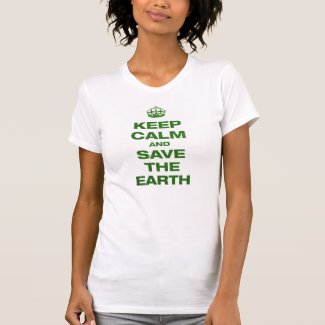
1. Green mothers garden. Mothers Day falls after the optimum planting time for some plants in some places, but gardeners' shopping lists are endless. Gardeners can always use natural-material gardening gloves, plants, seeds, giftcards from their favorite nurseries and garden catalogues, herbal insect repellents, straw hats, cotton shirts and jeans...


Keep Calm T-Shirt

Keep Calm T-Shirt

by Ecologicalstore


Pause for a Store Review: When I was growing up we always used to receive seed catalogues from lots of different companies, including Stark Bros. We ordered several kinds of plants and trees from the Stark family business. Now that Dad's gone and Mother's semi-retired, the fruit I'm still picking is coming from our Stark Bros seedlings. Not all of them thrived, but some apple, raspberry, and blueberry sprouts really took off...and paid off, over the past forty years! Cheers!

2. Even Green mothers get tired, even when they garden. (Some of them agree with Suzette Haden Elgin, who was a polio survivor, about using gardening as a symptom-buster. For anyone living with chronic pain or other symptoms, your symptom-buster is something that's easy enough and delightful enough that you can use it to tell when to ignore symptoms and when to go to bed or call the doctor.)


Tired gardeners might appreciate a coupon for free hours of help with gardening chores, or a massage for muscles that have been tired by too much gardening on those first irresistible days in April.

3. Green mothers enjoy nature. You never have to spend a lot of money on a treat for a True Greenie. They enjoy walks in the park with family (or friends), and may have storage room for another field guide...birds, trees, flowers, herbs, mushrooms, or even rocks.


4. All mothers appreciate understanding. Green mothers do everything that television teaches children is un-cool. They do their own chores, using hand tools. They wear old clothes until the seams fall apart. They buy things secondhand. They make young children recycle household junk into toys instead of buying snazzy new toys advertised on TV. They cook at home, with leftovers and "ugly" garden produce yet.

Around age twelve most young people go through a stage where they really feel embarrassed by the fact that they're still children. Apparently some communities don't teach them to feel ashamed of this childish feeling. I could wish that more adults had stood together to give more of my generation more of the message I'd absorbed, even as a teenager: "A person who is disloyal to his parents at 12 will be disloyal to his country at 21. If your parents belong to the Flat Earth Society, as a decent human being living in their home, you should go to meetings with them."

Anyway, if you've ever expressed embarrassment about the Green things your mother used to do, Mothers Day would be a good time to demonstrate that you've matured past that sort of thing now. Go to a yard sale or charity store with your mother. Help her entertain the next generation of your family with puppets made from soap bottles and finger-painted sheets of newspaper. Help carry out her recycling.

5. If you have the appropriate skills you might be able to help your Green mother with a big project she's not been able to do or afford on her own. Old-school Granola Greenies drive old clunkers if they drive anything. Proper maintenance can reduce the carbon footprints of those clunkers. Instead of preaching at them about that old minivan they keep to haul all the grandchildren, or all of their Sunday School class, around town, try tuning it up, cleaning the pipes, changing the filters, recycling worn tires and putting on new ones with fresh treads.

6. You can help "Green up" the house, too...just by being an extra pair of hands, but even more if you've acquired special skills and/or money. Mothers Day is not necessarily too late to help with "spring cleaning" chores like caulking, tightening, or replacing window screens to reduce the cost of climate control, or having storm windows and screens built to fit odd-shaped windows. My mother avoided mentioning expensive projects because none of her children or grandchildren is wealthy, but if you are, why not buy your Green mother a Prius? Or remodel the bathroom and install a water-free toilet.

Sun-Mar GTG Composting Toilet

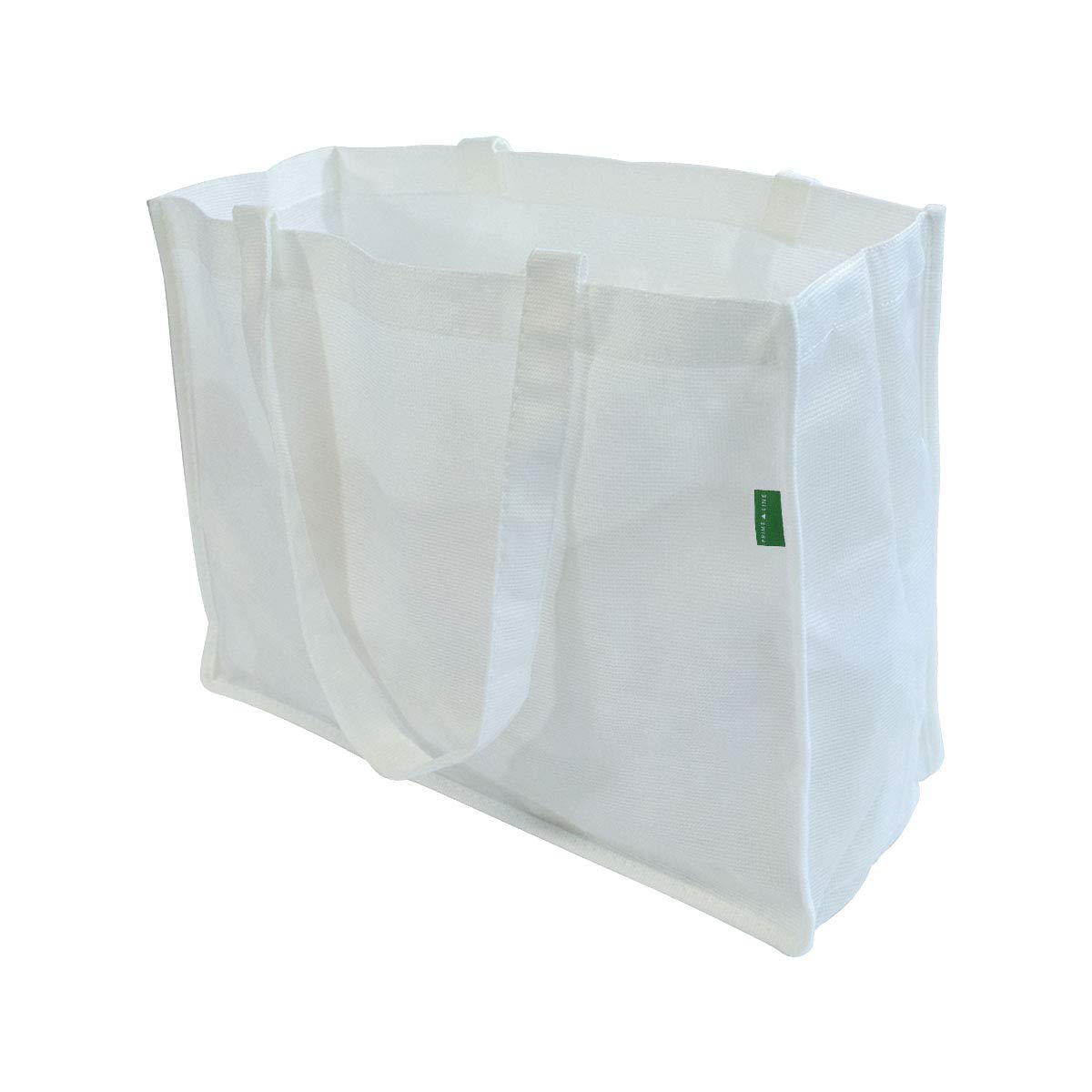
7. Green mothers usually don't want a lot of "gift junk," especially things like scented soap (they don't like petrochemical fragrances) or new clothes (they wonder whether they'll live long enough to wear out the clothes they already own). There are, however, things even Greenies have to replace. After confirming that your Green mother is likely to use up her existing supplies, you might look for recycled stationery or a new tote bag spun from recycled plastic bottles.


(The picture-linking widget isn't working properly. Click here.)


(If you search for "recycled stationery" on Amazon, you'll get masses of results.)

8. Sometimes it's the thought that counts. Show your Green mother that you've learned some of her tips and tricks. Help pass them on to her grandchildren.

9. While younger Greenies tend to be wild about computers, older Greenies have reservations about anything that's made from plastic, runs on electricity, and emits radiation. They prefer real books. If your Green mother is still adding books to her collection, find out what she does and doesn't have, or want.

One book your Green mother will be glad to have is the one you compile for her. You don't have to be a writer, or writer's assistant, although if you are your mother will probably proudly display your books. Just search for things that interest her on the Internet, print them out in nice clear large type on both sides of the paper, and put it all together in a recycled three-ring binder. (These "naked binders" are intentionally left bare so you can make your own jackets and labels.)

Naked Binder: 3-Ring Binder. Exposed/Bare Board. Accommodates up to 9"(w) x 11"(h) Documents. 2" D-Ring. Square Spine. Sold Individually. 100% Recyclable.

10. Spend quality time doing something earth-friendly on Mothers Day. Walk to a nature park, eat a healthy home-cooked picnic, sing old songs, and count birds and wildflowers together. Bake whole-grain bread together. Plant a tree.

Thursday, April 18, 2019

Belated Tortie Tuesday Post: Serena Modifies Tradition

I didn't plan to post anything today until I checked the blog notifications and realized I'd left a cliff-hanger hanging far too long. What's happened to Serena and the four baby kittens?

Three of them have names, is what. The fourth one hasn't really accepted a name yet. They survived a few days of massive upsetness, then started eating kibble and choosing parts of the sand pit. They've learned to cluster around the door to be brought indoors after dinner, cluster just inside the door to race outdoors for breakfast. That's a lot when we consider how much the fluffballs have had to learn. Eventually, after other vital survival skills, they may learn to answer to their names consistently and keep their cute little claws out of people's hands. They are still working on Danger Avoidance and Unbearable Cuteness.

There really ought to be photos of these kittens by now. There aren't, because it's April and I've been out enjoying all the beautiful phenology. Dogwoods, redbuds, four kinds of violets, some bloodroot, a few Bidens, ground-ivy, cleavers and bedstraw (I'll post about those if funded in time), cardinals bright and cheery as ever...Wild roses are the latest threat to the Rose of Sharon, or Northern Hibiscus, bushes and I'm about ready to let the roses have that space, if they weren't so prickly and provoking. I had to prune them quite aggressively after the Big Wet Snow in December. Wild roses like being pruned aggressively. Whack them off at ground level and, in spring, they surge up into your face again.

I am considering planting tomatoes myself this year. That ought to be a happy thought. It's not, because my mother always was the tomato plant whisperer; I had a few tomato plants to practice on, as a child, but now the thought of buying them and setting them out is keyed to the thought "because Mother may not be able to do that."

And year-old Queen Cat Serena has carried on an old Patchnose Family Tradition, only she's modified it in a modern nonsexist way.

Patchnose, as regular readers may remember, was a genuine alley cat, found living feral in an alley, wild as a bird. When her big, bold kitten Mackerel set out to train a child to feed his family, humans realized that Patchnose and her kittens were the very rare social cat family where the father, Big Mac, was actually providing for his sickly mate and too many babies. When they were delivered to the Cat Sanctuary, Mac made a pet of me overnight, then set about persuading his mother and siblings that it was safe to eat food I set out for them.

Patchnose didn't live through the winter, but young Mac was another dutiful, devoted male cat who fed and baby-sat kittens.

I didn't interfere with the social cat family's own plans for themselves, much, over the years, because a social cat family is so special. Unaltered females did indeed time and space out the birth of kittens--it looked as if they were doing it consciously. Nursing each other's kittens was their most obvious technique. They have others. I counted...some HSUS alarmist posted, a few years ago, that one breeding pair of cats would, in nine years, produce hundreds of thousands if not a million kittens. Hah. Patchnose and Big Mac have seven living descendants I know about for sure (Samantha and Traveller aren't their descendants), plus the four new kittens, and nine about whom I'm not so sure.

Every year there've been kittens--some born to resident cats, and some delivered by people who've heard that the resident cats would foster other cats' kittens. (BUT ASK FIRST!!!) Male cats in the Patchnose Family have been patient and gentle when unable to avoid kittens, but not exactly devoted fathers, since Mac's time.

Every year, beginning at the end of the summer when Patchnose was weaning a second litter of kittens, the Queen Cat has called half-weaned kittens to join her on my lap while nursing. No male cat has ever been part of this family tradition.

Traveller is not related to the Patchnose Family, nor is he related to Serena's kittens. He's only a half-grown, not-quite-one-year-old kitten himself. But nobody will ever convince him (or Serena) that he's not Serena's brother. If he remembers having once had a different mother, or having been born a hundred miles away, he's never let it bother him. He doesn't seem especially intelligent on his own, but he does whatever Serena tells him.

He is also the cuddliest kitten ever. He acts as if he thought the only reason why humans sit down is to provide laps for kittens to snuggle onto. (Given a selection of laps, he likes to shed on each lap in turn.)

And so, when Serena resumed caring for her recovering kittens, after a few days of nonverbally telling me "See if you can do anything for them, I can't"...I came home at the end of the day and sat down on the porch. Traveller and Serena came up to join me, and the kittens came out from their hiding place, and Serena told them they could join us. Traveller was rolling around on my lap. Serena was sitting beside me in a cozy yet dignified way.

The kittens crawled up on my lap and purred and snuggled...with Traveller. Serena was leaning against me but not sitting on my lap. She's become a little more affectionate, due to the prolactin surge, since giving birth but she is not, never was, and never will be a cuddly cat. Her usual ways of showing affection are still slapping or chomping and bounding away, waving her tail like a flag--although she does that less often now that she has babies to look after.

After a minute or two of family bonding time in this position, Serena let her babies nurse, briefly, while she lay against the side of my leg. Traveller continued to rub his head and sides against me and grip my fingertips between his paw and toe pads.

He watches the kittens when Serena isn't watching them, just as Mac did. He's been known to cuddle up beside them or even lick them. He draws the line, "meowing" and walking away, only if a kitten tries to nurse on him.

All four kittens are basically white with spots. Two have light grey spots that give them rather pretty faces, one has extensive black spots that make him look like Felix the cartoon cat, and one has charcoal-grey spots that make it look utterly ridiculous. I call it Black Stache, as in this book...


Felix and Stache have a sister, Swimmer, so called from one of her misadventures. We don't know that she'll ever want to swim again, but we know for sure that she can. Then there's the other sibling, whose gender is uncertain and who has yet to respond to anything it's been called.

Photos will appear soon.