Showing posts with label a fair trade book. Show all posts

Sunday, May 16, 2021

(Friday's) Book Review: Bratfest at Tiffany's

Title: Bratfest at Tiffany’s

Author: Lisi Harrison

Publisher: Little Brown

Date: 2008

ISBN: 978-0-316-00680-4

Length: 227 pages plus advertising material

When I reviewed The Clique a few years ago, I didn’t expect it would become a series, but it did. A bestselling series, at that. Where baby-boomers had “Archie” comics, it seems, and Generation X had “Clueless,” millennials have “The Clique.” It’s not exactly an encouraging prospect, but there we are.

Archie and his school friends were kids who had a lot to learn, but they were goodhearted and well integrated; only a few of them were rich. The “Clueless” crew were uniformly rich and deliberately sheltered from knowing anything about the alternatives to being rich, but they meant well in their shallow juvenile way. “The Clique” are uniformly rich, consciously selfish, and intentionally mean. In the first book about them, when Massie and Claire were thrown together through their parents’ business relationship, Massie deliberately treated Claire badly, and poor silly Claire didn’t look around for a better friend but wormed her way into Massie’s very conditional and probationary good graces. In this book, which is volume eight, The Clique enter grade eight and, even before they’ve assigned nasty nicknames to everyone in grade seven, they all swear off having “boy friends” because they see the boys as rivals for their “alpha” social status. The Clique are not actually popular in the sense that people like them—only in the sense that shy selfconscious people are afraid of mean-mouthed Massie—so, if any other group can be seen as having got one up on them, the Clique will be “Losers Beyond Repair.” And still the others in The Clique want to be Massie’s “friends.”

“The Boyfast” is Massie’s idea. Massie doesn’t have a boy friend. The others have boy friends and worry about Massie throwing them out of The Clique if they continue to treat these boys as friends. Massie’s control cravings are so severe that this walking definition of “spoiled brat” sets herself in opposition to adolescent hormone surges. Massie, we’re told early in the story, does fantasize about talking to a psychologist, but she’s too busy fighting for emotional control of other people to do it.

Meanwhile, the Octavian Country Day School, which students call “OCD,” merges temporarily with another school called Briarwood, so the students can refer to their school as “BO.” To relieve the crowding, some students are temporarily assigned to special classes taught in old trailers at the back of the campus. The Clique are split, with Massie and Claire in a trailer. A TV reporter interviews Massie, observes some of the seventh-graders in the trailer, and spins her report on the school situation in such a way as to suggest that the trailers are being used for “special education.” The Clique have to find a way to “prove” that they’re “alphas,” not “special,” before the Briarwood school reopens and everyone returns to their regular classrooms, lockers, and cafeteria tables.

Possibly the appeal of this series is that readers agree with me that something does seem to be wrong with these kids, and a little “special education” might be in order for The Clique. As in, “Your parents, not you, will be asked to choose a total of three outfits for you to wear, from their, not your, choice of Wal-Mart, Target, or K-Mart. You will wipe your faces with alcohol before classes begin. Each of you will be allowed to speak to one person, who will be chosen for you from grade seven, and no one else for three months before you’re eligible to graduate from this special program. To graduate you will work your way through a year’s worth of grade nine algebra, a grade ten reading list, Towle’s Biology, a grade eleven history course, and, in view of the low standards of high school language classes, a college foreign language course. Plus Latin.”

Sunday, April 11, 2021

A Fair Trade Book: The Spirit-Controlled Woman

Title: The Spirit-Controlled Woman 

Author: Beverly LaHaye

Date: 1976

Publisher: Harvest House

ISBN: 0-89081-020-6

Length: 174 pages

Quote: "[W]omen have asked when something would be written from the woman's point of view regarding the four temperaments."

Beverly and our late correspondent Tim LaHaye were the first Christian teachers to promote the idea that Christians were not meant to be all-alike "super salesmen for Jesus," that individuals have natural healthy differences of personality. In the 1960s, 1970s, even 1980s, this was controversial. Some churches were openly teaching that real Christians wouldn't be introverts. The best way I can describe this early book is that it still reflects the ignorance of its period about why some of us are introverts, but it was a refreshing change from the hate campaign directed against us at the time.

Around the turn of the century, when neurological studies were able to identify physical bases for at least three of the classic four temperament patterns documented in this book, the accuracy of the LaHayes' observations--and those of the early writers who first identified the patterns--made their books remarkable. Though it's traditional in this field to cite writers earlier than Hippocrates, and the first observers of the temperament patterns were neither Christians nor scientists, the observation and documentation of these patterns is evergreen. Ancient and medieval philosophers wrote a lot of quaint poetic fantasy about the mystical or pseudo-scientific bases for the patterns; they wrote accurately about the human behavior they could see. As a pastor's wife, counsellor, and teacher Beverly LaHaye had opportunities to observe the behavior of twentieth century church ladies at close range. That is what she describes in this book--sometimes with the cutesy humor of her generation (each type is personified with a given name like "Clara Choleric") and sometimes with wit and insight of her own.

To introduce this book to younger readers...really I sat down and wrote a whole new book about how today's Melanie Melancholy, Felice Phlegmatic, Chloe Choleric, and Samantha Sanguine are like and different from their mothers, Martha, Polly, Clara, and Sarah. I could publish that one, if youall want to read it. Meanwhile, in this summary I'll try to link the descriptions in the book with what we currently understand about four documented physical traits that shape human personalities:

1. "Melancholy" did not originally mean depressive (each of the four classic names has pejorated into a word for the type's worst quality) but feeling what C.S. Lewis called Joy--longing for a world better than ours, the idealism of people who have higher blood levels of certain hormones and develop more nerve endings than the rest of humankind. This web site usually describes us as Highly Sensory Perceptive, or HSP, as described at hsperson.org. This is predominantly an introvert trait because most HSPs are creative types who work alone, but obviously many HSPs also work with and for the public--creativity has nothing to do with shyness. 

2. "Phlegmatic" did not originally mean bored (see above), but detached, philosophical, prone to think seriously about things instead of reacting emotionally. This is the most obvious introvert trait people can have; The Introvert Advantage addressed only phlegmatic-type introverts. This web site usually describes Phlegmatics in terms of the Long Brain Stem, or LBS, that shows up on their neurological scans. Phlegmatic personalities can be mistaken for personalities affected by disease conditions that slow their reaction times, like hypothyroidism, but the Phlegmatic temperament is a good healthy trait.

3. "Choleric" did not originally mean grouchy, but decisive, bold, aggressive--well, probably it always did connote someone who was prone to grumpiness, but it was seen as the ideal temperament for war chiefs. This is the strong-willed temperament. Cholerics incline toward Type A behavior; they can control this. They can control almost everything and, if respect for others' boundaries is pounded into them at a formative stage, they make good leaders, organizers, and entrepreneurs. Beverly LaHaye describes herself as a repressed ("feminized," trained to be shy and ineffective) Choleric who might have seemed like a Melancholy gone wrong, when young, but blossomed out into a powerful teacher, speaker, and leader. The Choleric temperament is basically extrovert, often though not always found isolated from the definitive introvert trait called a conscience or sense of shame. 

4. "Sanguine" did not originally mean naive so much as cheerful and chatty. (However, the Sanguine temperament was associated with fevers and "corrected" by bloodletting; up into the nineteenth century it was considered a very mixed blessing to be noticed as cheerful and chatty.) This is the true extrovert personality. I have yet to find any evidence that it's associated with a desirable physical trait so much as with the absence of other desirable traits. The closest match for the Sanguine personality modern science seems to have identified is attention deficiency disorder (ADD)--but most observers continue to feel that the Sanguine personality is different from ADD, if only in degree. 

Most people can identify with one predominant pattern and one or two secondary patterns. Not all people, however, identify at once with a pattern that correlates with a physical trait they actually have. This is where personal growth, recovery from disease conditions (where possible), and the "Spirit-controlled" or radically Christian life come in. This book might have been more interesting if it had had more to say about the Type A behavior of people who are not natural Cholerics, the hypothyroidism of people who are not natural Phlegmatics, and the depressive conditions of people who are anything but natural Melancholies. LaHaye observed relatively little of that and more of the behavior of church ladies who learned nicer social behavior patterns in the course of obeying the Bible's guidelines for the Christian life. 

Accepting God's forgiveness can release the false guilt of pseudo-Melancholies, practicing good will can relieve the shyness of pseudo-Phlegmatics...LaHaye unfortunately has less to say about how learning to relax can reduce the bossiness of pseudo-Cholerics (I could write that chapter from experience), and how learning that it may well be that nobody is really meant to be a Sanguine chattermonkey can make pseudo-Sanguines happier and easier to love. Some of the most obnoxious extroverts in those "saved by Christ plus extroversion" churches are introverts trying desperately to pass as what they're not.

In the 1980s the LaHayes officially handed down the "temperament workshops" ministry to Florence and Fred Littauer. Both couples wrote other temperament books that might be considered to have updated or replaced this one. Nevertheless, people remembered The Spirit-Controlled Woman, and it's become the classic on its topic. 

Beverly LaHaye has retired but her charity, the Concerned Women for America, is still active, so if you order this book from me online this web site will send 10% of the total cost to CWA.

Tuesday, February 23, 2021

Book Review: Mother Daughter Knits

Title: Mother-Daughter Knits

Authors: Sally Melville and Caddy Melville-Ledbetter

Date: 2009

Publisher: Potter / Random House

ISBN: 978-0-307-40872-3

Length: 160 pages

Quote: “Obviously my [M]om has more experience and so tends to write intermediate to advanced patterns—while I write beginner to intermediate patterns…[W]e knew that we both want what we wear to look and feel as good as possible…hence the Knit to Flatter and Fit material.”

After Elizabeth Zimmermann died…no knitter of my generation could take her place, really. Meg Swansen (EZ’s daughter) did a great job of carrying on without taking EZ’s place. Sometimes it appears to me that the knitter who’s come closest is Sally Melville. Her work reminds me of EZ’s in several ways:

1. There’s a consistent focus on knitting as a craft. Fashion comes second. Both knitters published designs that were fashionable in the season of publication (which is quite a feat), but both always seemed to have begun with an idea of “This is an interesting technique; what can I make with it?” rather than “What can I do with this yarn, especially if it was a manufacturing mistake in the first place” or “How can I shoehorn knitting, which is a woman-empowering craft, into New York fashion, which is a nasty woman-exploiting capitalist game?” One gets the feeling that they designed things when they did and published the designs when they were fashionable. I like that in a knitter.

2. There’s a continuous exploration of what knitting can do. EZ wrote one short, pithy beginner’s book, easy to overlook if you’re thinking “I already know how to purl,” that encapsulates everything you need to become a designer. SM wrote a series of technique books, presented as lessons for beginners, that also worked as fashion pattern books for serious knitters. 

3. Both tended to design sweaters that I wouldn’t want to wear, myself. That’s not bad. Both designed sweaters that do suit people who are different from me, and when you’re motivated to make your knitting pay for itself—as I’ve always been—that’s a very good thing. 

4. Each started knitting, designing, and publishing on her own, but reached new heights of success by working together with a daughter.

In this book SM and her daughter explain exactly why their sweaters mostly don’t work for me. Genetically predetermined hormone balances determine whether and where women’s bodies start to curve around pads of fat that won’t go away. My family tend to be top-heavy. SM and her daughter are thinner, with a little more curve below the waist than above. So the standard sweater, unshaped, with a waist that either stops at the natural waistline or continues just far enough to cover the natural waistline when one bends forward, makes them feel that they look bottom-heavy. Outside of my home town, where most people are related, I’ve seen more women whose shapes were closer to theirs than women whose shapes are closer to mine. Those women need this book.

Hand-knitting was an Eighties trend so, really, when I consider my pattern hoard, what hand-knitted sweater is not an Eighties Sweater? Revising older patterns to work with currently available yarn was very much an Eighties fashion…These are not Eighties Sweaters. Very little sweater shaping went on in the Eighties. Traditional sweaters had been worn by men and did nothing at all to flatter women’s curves, and the fashionable shape was boxy above snug ribbed waists and cuffs. The shaping of the sweaters in this book is very much a post-Eighties thing. (But go ahead and wear them. Many things that were actually knitted in the Eighties had shapes different from the patterns the knitters had tried to follow. My own very first Eighties Sweater had shaping, although it wasn’t designed to have.)

A couple of their shaped sweaters have waistlines designed to ride a little higher than the natural waist. That style was fashionable for the season, and it looks great on the slim models in the book. It also tends to be forced upon women whose figures are temporarily distorted. As a result, though short-waisted styles are comfortable and fun to wear for top-heavy women too, people do tend to greet a top-heavy woman in a short-waisted garment with “Congratulations! When is the baby due?”

That said, I’ve enjoyed knitting with this book…for the market, of course…and the first sweater I knitted, varying a design in this book slightly, sold in hours.

There really are thirty different patterns, though some of them are for things like headbands and neckties. They are different patterns, though, no basic stand-by shapes with a different color or texture thrown in somewhere. There are Shrugs, a sort of short shawl that’s held in place by a little vague sleeve shaping joining them under the arms. There are quirky ideas, like the sidewise-knitted boat-neck pullover and the scarf-laced-through-the-buttonholes cardigan and all the sleeveless sweaters, that I consider silly. (If top-heavy women ever wear vests, they have to be very light and very short and very well fitted; no stretchy knitted fabrics need apply.) Then there’s the shirt-shaped cardigan, the Camelot Coat that really does resemble early 1960s dress and coat shapes, the long-or-short shruglike jacket, the drapey mohair Mother-Of-The-Bride cardigan, the Gray Cardigan shaped by ribbing and cabling, the Altered Austen Jacket (which could very easily be altered back to put the waistline at the actual waist), and the Crinkly Blouse Cardigan, all of which are different from anything anyone else has knitted and at least one of which might appeal to you.

Because some may think the Jumper (dress) is another silly idea…If I knitted it, I would either knit only the skirt or knit a proper bodice with sleeves, and I would use Red Heart acrylic. Any knitted skirt that is long and roomy enough to be wearable is heavy enough to stretch under its own weight, even if you use lightweight yarn, and especially if it gets wet. Wool will shrink, so nobody in her right mind knits a wool skirt, unless we’re talking about the long waistband referred to as a “skirt” on some fishermen’s sweaters. Cotton will stretch, so you’d have to be cautious wearing a hand-knitted cotton skirt or dress. Cheap acrylic will shrink, and often shrink unevenly, so it’s best saved for rugs and dog blankets. Red Heart acrylic will stretch horrifyingly if wet, because it’s heavy…I have a big roomy robe knitted of Red Heart that I wear in cold markets to show off the heating, even snowproofing, qualities of this blanket-weight material. A long knitted skirt is like a blanket around your knees, only it moves with you when you stand up. I once dashed out of a cold building during a power outage wearing it. The skirt was soaked. I splashed home holding it up almost doubled to keep the skirt out from under my feet. Then I ran it through the washer and dryer and, you may see it if you can’t believe it,  it snapped right back to its original shape with the skirt just over my boot tops. So, yes, it’s worth knitting a street-length skirt if you use Red Heart. But for the life of me I can’t imagine why anyone would bother knitting a street-length skirt in that very stylish mix of wool and viscose yarn, which would have made a nice jacket, but not a skirt.

It's almost guaranteed that some of these designs won’t appeal to you—leg warmers?! Others probably will, though, and the nicest thing about this book is that the instructions do spell out how to alter things like high waistlines. The knitting mother and daughter can’t promise complete instructions for every body but they have taught a lot of knitters who had different kinds of bodies, and they explain how to make most of these designs fit most people who want them.

Thursday, January 7, 2021

Book Review: If the Gods Had Meant Us to Vote They Would Have Given Us Candidates

Title: If the Gods Had Meant Us to Vote They Would Have Given Us Candidates


Author: Jim Hightower

Author’s web site: www.jimhightower.com
        
Date: hardcover 2000; revised paperback edition 2001
        
Publisher: Harper Collins
        
ISBN: 2001 edition 0-06-093209-0
        
Length: 418 pages of text, 4 pages of contact information, 11 pages of index
        
Quote: “[A]s actress Rosalind Russell once said, ‘politics makes strange bedclothes,’ and while Al wore a cloak of green, he had sewn large pockets inside it to store campaign funds slipped to him by oil, chemical, development, timber, mining, agribusiness, and other polluting interests.”
        
Jim Hightower used to be Texas’s commissioner of agriculture and used to describe his politics as populist. It’s been said, with reason, that populists are—or were, when there were enough of them to form a party—the polar opposite of libertarians. In some ways. But only in some ways. “Populist” might be the most historically accurate thing to call the kids in the Libertarian Party who think people might somehow happen to agree freely that they need a government to help them reach their full human potential. They see the same problems real libertarians see, and they react with a similar temperament. They come up with different solutions. Accordingly, what Hightower wanted politicians to promise and deliver to the nation, in response to the situations he discussed in this book, is often what I still think we the people ought to find ways to do for ourselves.

How much did it matter? If you were looking for statistics, stories, and witty quotes, not necessarily very much. As a politician and as a journalist, Hightower saw several of the things he writes about in this book firsthand.

The question that might divide readers of this book is what to do about these things. As every primary school teacher knows, Hightower says, you can’t just keep cleaning up the mess; you want to control the little brats who are making the mess. Yes, and as everyone who has graduated from primary school and gone on to high school knows, you don’t just want to go whining to Teacher for help to control the brats who are making messes with your stuff; it’s more efficient and more satisfying to hang out with a crowd of kids who agree that making messes is babyish. In these 433 pages Hightower uses very little ink arguing for bigger government to control everybody in the name of controlling the mess makers, although that does happen to be what he sees as the solution. He spends his time describing situations that can also be read as calls for individual responses from libertarians.

The Saipan sweatshop story is the one you’d expect a feminist to cite, so I’ll use the less familiar Chiquita banana story instead. Hightower accuses Chiquita corporate honcho Carl Lindner, a Republican, of giving Bill Clinton huge amounts of money as a bribe to get Clinton’s support in forcing a smaller group of Caribbean banana farmers out of the European banana market. Hightower claims Europeans, left to themselves, actually preferred the Caribbean bananas. So, do we need to spend time looking for a President with the fortitude to tell Lindner where to stick his hundreds of thousands of dollars? (If you really think that’s what we need, perhaps the best man to deal with Lindner would have been rival banana seller Robert Dole.) Or do we need to work toward the goal of becoming a nation of people who will call up newspaper offices asking for more details of this story, make the story headline news, and tell grocers we’d like to try some of those Caribbean bananas? Who are we, as a nation, anyway? How many of us belong in primary school, and how many of us are ready for high school?

At the time of writing it’s 2020, and a detailed analysis of the 2000 election, followed by several domestic political issues Hightower thought should have been better publicized during that election, hardly qualifies as news. Still, a first-time reader of this book might be surprised to realize how many of these people are still active and how many of the issues are still hot. This book provides historical background that will enrich your understanding of today’s news. 

For example, the discussion on pages 319-320 about smaller producers of food. Regular readers may remember that one of the founders of this blog, Grandma Bonnie Peters, had a business called Allergy-Ease Foods. What they packed and shipped around the Eastern States were gluten-free vegan "burgers"; what GBP sold in her "Test Kitchen" included were full meals, with the emphasis on salads and a gluten-free, soy-free, sugar-free, yeast-free, honey-free version of almost everything. Recipes were rated by Kingsporters looking for a good cheap lunch. The ones that rated high were then standardized and distributed to restaurants. (In Tennessee a Test Kitchen License and a Restaurant License were two separate things. What GBP had was a Test Kitchen.) Over seven years, GBP sold about half a dozen different recipes to restaurants; the best known was probably her Corn Soup.

So what happened? The market for gluten-free Veggie Burgers is limited, but it exists. The ethnic foods were authentically seasoned and popular with real Mexican- and Italian-Americans. And most of her clients never even had a chance to sample Rice Biscuit Bread, because GBP could hardly bake it fast enough to meet the demand. The health food stores through which Veggie Burgers were sold were moving Veggie Burgers, even starting to move the micro-batch soups. What went wrong? People worried about Grandma Bonnie’s health. If she was still up and about, they asked me, why did she close the Test Kitchen?

Some effects of stress have been apparent when I’ve talked to her. Please put up with a little boasting on Hightower’s part as you read the discussion of how “Some prisons have fewer walls, razor wire barriers, and armed guards than food wholesalers and retailers use to keep upstart food makers off the shelves.” It’s true.

Food City wanted to make Veggie Burgers available to the everyday hurried yuppie shopper. Locally, even a monster chain like Kroger's can’t afford to be outdone by Food City, so Kroger’s buyers were looking at Veggie Burgers too. A contract with Pal's restaurants was also discussed. Any of those contracts would have allowed Grandma Bonnie to keep on employing needy residents of Hawkins County, Tennessee, up to the present; or at least, if the contract had been signed after she let her needy Tennesseans go back to welfare, kept the Test Kitchen open for people in need of hypoallergenic fast food. The contracts weren’t signed, because protectionist policies kept placing more and more financial obstacles in the way of Grandma Bonnie and other suppliers of locally grown food. A lot of money has gone into ensuring that Tennessee residents who don’t have time to browse around Kingsport’s Wednesday Market, and don’t know the small producers personally, will find truckloads of foreign-grown, DDT-sprayed produce when they want organic Tennessee produce. And Green Giant gluten-and-yeast burgers when they want Allergy-Ease Veggie Burgers.

In order to get into the food production game, Grandma Bonnie used up her life savings and those of three friends, sold two small farms, double-mortgaged her house, postponed dental care long enough to lose four molars, let her home utilities be disconnected, took out loans, begged, borrowed, some of her relatives would even say stole, and still was never able to pay all the expenses the protectionists have made mandatory for anyone who wants to put food on the supermarket shelf. 

You might think the Green Giant Corporation, which has done so well at packaging frozen vegetables, would be glad to let its rather yucky gluten-burgers, with their bitter aftertaste, pass into oblivion. You’d be wrong. Green Giant fought hard to keep you from being able to buy (Ohio-made, gluten-based) Morningstar Farms Grillers, and continued fighting just as hard to keep Allergy-Ease Veggie Burgers out of your hands. Big-chain producers have worked out deals with big-chain stores to require small producers like Grandma Bonnie to carry big-time insurance just in case food became contaminated in the supermarket, require big amounts of specialty food to be produced overnight regardless of need (guaranteeing losses because the selling point of these specialty foods is that they're not soaked in chemical preservatives), and several other requirements that were cooked up just to make it impossible for a local store manager to offer a local food product to local shoppers.

Grandma Bonnie Peters wanted to pay her debts rather than pulling a Trump-style bankruptcy. She was still paying, and still living in poverty in a nice neighborhood, at the end of her life. Being an entrepreneur is a gamble, and there are those who feel that people who gamble more than they can afford to lose deserve to lose their homes and go bankrupt. As a general principle I agree with this. But I also think the public should know that millions of dollars have been spent to ensure that only millionaires will be allowed to supply a demand for a new, Green food product. 

Maybe GBP should have stuck to peddling Allergy-Ease Foods in the Wednesday Market until she’d saved up enough money to guarantee that selling them nationwide would be profitable. Maybe, too, the amount of money required to launch these foods on the national market should have been kept at a level that would have been achievable within the lifetime of that little girl posed on Grandma’s knee on the boxes of Veggie Burgers.

Populists want more elaborate regulation of the market to guarantee people like Grandma Bonnie a chance. Libertarians want more complete deregulation of the market to achieve the same result. Which is generally a more realistic strategy, I’ll leave you to decide based on your experience. I will say that during his term in office Hightower at least tried to solve the problem as best he could, according to his lights, and populist policies would seem more realistic to me if we met men like him every day.

According to his web site and newsletter Hightower has followed the "progressive" leftward drift of his party's leaders, as time went by. This book, however, comes from a period when the D's could reasonably be called liberal, and should have some appeal even to hard-core conservatives.

Wednesday, October 30, 2019

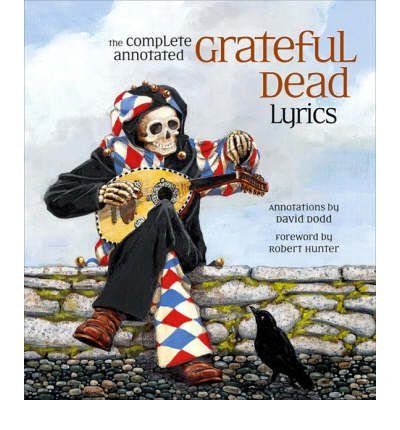
Spooky Halloween Book Post: The Complete Annotated Grateful Dead Lyrics

Talkin' about the f-f-f-fifty-dollar edition...I'm still using Firefox, of which more below, and it doesn't have my lovely Amazon link gadget, so you can't click on the picture.


Anyway. This hardcover book, all 400-plus pages, is on sale for cash in the Roberts & Jones Gift Shop on Jackson Street. Run don't walk. If unable to get into Gate City for this Halloween special, try this link.

Now the spooky story...(insert ghastly groan here)...it's taken a while, but I've found something to post on a topic a certain sponsor may enjoy.

Once there was a pop group. At the time there were a lot of pop groups. A lot of young people were buying a lot of records, so a lot of other young people wanted to record their songs on them. In order to stand out in the crowd some of these groups adopted funny names. There were The Rolling Stones, named after a magazine, and The Who, who actually sang "Talkin' About My G-g-g-generation," and then there were these guys who'd been in groups with relatively normal names, like The New Lost City Ramblers, who got together and called themselves The Grateful Dead.

They sang a lot of old traditional blues, at first, with a rocking beat. When multiple voices sang with rhythm and bass, even on the expensive sound devices of the 1960s it was very hard to recognize words in the buzz of noise monaural sound equipment produced. On the cheap transistor radios kids carried around it was impossible. So the people who had been making fun of pop "crooners" like Frank Sinatra, Eddy Arnold, Pat Boone and my family's favorite Jim Reeves, who worked very hard to make it possible to hear the words of their songs, and of Elvis Presley, who distracted attention from any sound issues by tapping his feet so enthusiastically he moved his (shudder!) pelvis, naturally had a good time thinking of snarky ways to describe groups like the Grateful Dead in the mid-sixties.

Then in the late sixties people got interested in lysergic acid, or LSD, which some people claimed was a safe drug. It was not. (Echoes of morphine, heroin, thalidomide, DDT, paraquat, chlordane, cocaine, glyphosate...so many promises of "better living through chemistry" disappointed so many people so horribly.) A lot of cool, popular guys, like guys who were playing in pop bands in California, experimented with "acid." The result was known as "acid rock." At its best, when very talented musicians used just a little, it seemed to encourage them to compose fresher-sounding music, although most musicians were not that talented and merely thought they were composing...anything, actually.

(Pause to salute Dave Barry for getting our generation to agree: We are the generation that invented really bad rock music. Classics, yes, but also clinkers. Lots of clinkers.)

The Grateful Dead became one of the bands, like Ozzy Osbourne's Black Sabbath and Jim Morrison's Doors, that were generally classified as "acid rock." They notoriously hung out with some extremely hip and trendy older "hipsters" like Neal Cassady who took lots of drugs, and yes, one of them was with Cassady as he sped out of control and self-destructed that way. By 1970 they recall, somewhat sheepishly, being sort of exhausted, confused, and maybe even grateful to be alive, which several of their drug-experimenting friends from 1969 were not.

Not that all the private drug experiments, or the inadvertent suicides, were over in 1970. While the core of the Grateful Dead trouped on for a full thirty years, other band members dropped out, some due to illnesses whose progress was probably accelerated by drug use. "Pigpen" McKernan, who took a sick leave the year after his close friend Janis Joplin died, was thought to have died about a month before his body was found. Other stories of the survivors and non-survivors are collected and linked at https://en.wikipedia.org/wiki/List_of_Grateful_Dead_members .

But the band had a solid core of four survivors, two of whom were still up for a "fifty-year anniversary" tour in 2015, and also they'd enlisted a real published poet, Robert Hunter, as their primary lyricist. Several other people, known and unknown, wrote songs the Grateful Dead performed. All of them agree that Hunter wrote the best lyrics. 

What they agree got on their nerves, at times, was the way people who met them kept saying things like "I love your song--what are the words, and what do they mean?" Hunter's long foreword, and John Barlow's shorter afterword, and some quotes the others furnished to David Dodd, explain some of the reasons why this is generally a bad question. A song's "meaning" comes from its sound as well as its words; the phrases that make up a good song don't necessarily parse as coherent prose sentences, even if you allow for things like Hunter's partiality for leaving S's off words ("he say") to reduce the s-s-static tones of monaural sound equipment; there are times when songwriters who've struck gold with a lyric that just fits a tune and a genre realize, later, that they're living out an experience they could only imagine while they were writing about it. The Grateful Dead learned to deflect that question with "What does it mean to you?"

Sometimes there was a private meaning that could be elucidated in prose, as in the song "Cassidy," which was partly a memorial to the recently dead Neal Cassady and partly an expression of good wishes for a baby who'd been named Cassidy, and the instrumental "Sage and Spirit," also dedicated to children who'd been given those names. More often there wasn't.

Sometimes people who were able to read the official printed lyrics (which weren't always what the band members sang in live concerts, anyway) would ask whether they were meant to suggest some other song, or poem, or story with similar words. Hmph. Maybe they were, maybe they weren't. Hunter's lyrics as printed could only be the product of revision by a sober and well educated brain, but that does not necessarily mean they first occurred to a sober mind, nor does it mean that Hunter consciously remembered what might have suggested them to him even if he was sober at the time. Even poets who do all their writing while stone-cold sober don't necessarily remember everything that might have suggested a poem or a song. One major influence on songwriting, as Cecil Adams observed while tracing other popular songs, comes from thoughts like "Hmm, I don't think anybody's used 'Chevy' and 'levee' in a rhyming refrain before," and another comes from the fact that sometimes, if you have a contractual obligation to write a new song and you've not thought of a good one yet, and you sing "la la la" a few times, especially if you run the "la la la" version through monaural sound equipment, sometimes somebody will hear it as something bizarre enough to suggest a fresh-sounding verse.

Barlow tells a spooky story of having written a song just to fit into a genre people wanted, having it succeed enough that he went on singing it until it finally did have meaning for him. Many if not most "creative" people have the experience of...perhaps unconsciously seeking and finding real-life counterparts to things we had "created" from imagination? But you have to read Barlow's story as he tells it.

Anyway the Grateful Dead never were all that popular in any given year. Their image put so many people off that even radio stations that specialized in rock didn't want to play their songs. Their sound kept evolving, featuring different singers and guitarists, because they kept losing band members. Nevertheless they had a fanatical following, the Deadheads, who just would not allow the band to die. They still have. They still have an active web site: http://www.dead.net/ . They are still releasing new music--remixes of old tapes, and new performances by those members who are still alive.

It's downright creepy. The force that's kept an "acid rock" band going this long, after almost twenty-five years of declaring themselves dead and accepting huge fees for yet another "Final Reunion" performance, has to be sinister.

I found this big book of song lyrics on sale cheap in the Friday Market. People who take nice new-looking books into open-air markets are very highly motivated to sell them before the next shower of rain. I offered a dollar for it and a fellow vendor said "I'll take it." I did know better than to sell the book for a dollar, or take it back into an open-air market. I've given some people some fabulous bargains on books that have gained value since they were published. For this one...I gave the gift shop a bargain price, but not that fabulous.

I collect song lyrics, whether or not I know the tune or like the words. Some people like songs I don't. Some songs whose words don't appeal to me have delightful tunes. I didn't know, and still don't know, any of the tunes to a single one of the songs in this book. I do know where to find them online, but since I go online in public places I don't intend to restore the sound on the computer. (Of which more below.)


I didn't expect to like any of the songs the Grateful Dead would have sung. I was pleasantly surprised. Some of the other songwriters commented that Hunter's songs, without making much sense as prose sentences, manage to suggest complete novels. I'd agree.

The book, as a whole, tells a true story. Not that it's written as a history of the band; its annotations do not, for example, mention McKernan's full name, much less the story of his short life, nor do they ever explicitly mention Donna and Keith Godchaux being a married couple. But in an indirect, evocative, Hunter-like way it is the story of how four guys with creative synergy went from being just another garage band, with a silly name, playing old songs about other people's unhappy lives, to being one of the great legendary bands of American musical history, spanning generations, like The Weavers or the Carter Family.

Dodd's annotations are informative. A librarian by profession, and the curator of the Grateful Dead web site, he prints each song alongside references to the songs, books, and movies of which the lyrics remind people, with full-length lyrics for several vintage songs, so even if you've never heard a Grateful Dead song you can still sing your way through the book. (A Californian, he's familiar with variant versions of some classic songs that are sometimes even fresh, to those of us who learned the songs in the Eastern States.) He anticipates that every reader can think of a few references he missed, and writes cheerfully that the annotation of these songs will never be complete. After the literary references, or in lieu of them for some songs that aren't especially rich in reference points, come historical notes on when and where each song was first performed and first recorded and how often it was performed thereafter. For a few songs he's able to add reminiscences by band members.

In some ways the leader, the organizer, sometimes the lead singer and/or guitarist and the old friend who recruited Hunter, was Jerry Garcia. A rock star for exactly thirty years, Garcia died just after his fifty-third birthday in 1995, and the Grateful Dead declared itself--as a band--dead without him.

But the band was not quietly laid to rest, as Garcia was.  Toward the end the songs and annotations become a testimony to the way life goes on, though good men die and you forget just why. There's a decline in the quality of the songs as lyrical poems; there's even one that reads like a typical rock song. Then there's a revision of "Joe Hill"...Joe Hill was an early labor union activist, best remembered for a song that affirms that Hill's spirit was still alive, ten years after his death, in activism for his cause. Hunter's version of this song initially envisioned President Kennedy, John Lennon, and Martin Luther King living on (or not) in the continuation of things they were did. Then, he claimed, another verse popped into his head: "I saw the sun explode...I heard a sweet guitar lick...It sounded like Garcia but I couldn't see the face."

Never having been a Deadhead, I opened this story-in-song-lyrics of friendship and bereavement, for the first time, about the time Robert Hunter died. He was seventy-eight.

Writers are, of course, always discovering books, and new favorite writers to add to their ever-growing lists, about the time older writers die. If there's a meaning to this phenomenon, it's that too many public libraries rush to discard older writers' books so they can use more of the taxpayers' money to buy new books by living writers who need the money from more sales to individual readers. Harrumph. Libraries should not be allowed to discard old, hard-to-find books patrons are still reading, nor should they have much freedom to compete with bookstores during the first two years after books are printed. But it's Halloween, so somebody out there may enjoy a good shiver, thinking of a reader discovering Robert Hunter as a poet just as his life ended.

(Status update on the computer:

It is officially a dying computer. I wondered what was going on when Google Chrome wouldn't open any more; poked around and found that the laptop's memory had shrunk down to something close to that of the older laptop I nicknamed The Sickly Snail, a few years ago. It'll still run Firefox, which is a little better than the Snail's Opera, and Microsoft Office, which is much better than the Snail's Open Office, but it won't run Chrome. I talked to the friendly local wizards about adding memory, then realized that one reason why this laptop was runnning low on memory was an increasing tendency to crash due to overheating because its fan's wearing out. Its keyboard is well beyond the stage a less professional typist would call usable. Its mouse pad is wearing out too.

I do actually like playing with new computers--if they're other people's original computers. It's the waste of electronics that bothers my conscience. What Americans call recycling computers (or cell phones) means shipping them to some desperately poor part of the world where the "recycling" process forms mounds of toxic waste, to be handled by people who don't fully understand the future implications for the health of children they allow to earn the local equivalent of pennies by "helping to recycle." That is not something I want to be a part of. I'd rather keep what I have, even if it becomes unusable, until the manufacturers take a hint and start "supporting" it again.

Nevertheless the time has come for this laptop to retire. And that means not even pushing the limits of what Firefox allows it to do. It means minimal use of computers and the Internet, preferably for paid work only, no surfing-for-fun, until I get another computer that can run Chrome.)

Tuesday, January 15, 2019

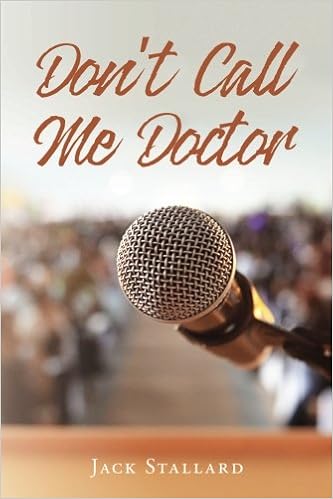
Quickie Book Review: Don't Call Me Doctor

I just reviewed Jack Stallard's Don't Call Me Doctor on Goodreads:

https://www.goodreads.com/book/show/36107992-don-t-call-me-doctor

Here's the review:

"
This is the way my town likes to see itself: stereotype 1930s memories, some things nostalgically preserved and others gladly discarded, give way to travel, education, professional work, and finally back to the old home place where the good ol' boys organize a band and sing old songs in nursing homes. Jack and Leonard Stallard are real. You can chat with them and their fellow "pickers" at the Pickin' Parlor. Stallard's stories in this book are the final draft of the local news column he wrote for the weekly paper for years. If I asked him to change anything, it'd be to put in more old songs!
"

Sunday, December 9, 2018

Book Review: Ramona and Her Father

A Fair Trade Book (incredible!)


(There have been several reprintings of this book. This is not the one I physically own. As usual, readers who don't insist on one particular edition will get whichever edition is available.)

Title: Ramona and Her Father

Author: Beverly Cleary

Author's web site: http://beverlycleary.com/

Date: 1977

Publisher: Scholastic

ISBN: 0-439-14806-5

Length: 186 pages

Illustrations: line drawings by Alan Tiegreen

Quote: “Girls, you might as well know. Your father has lost his job.”

Ramona Quimby has enjoyed a pleasant day in second grade and is making out a Christmas wish list when the recession of the late 1970s catches up with the Quimby family. Her father has been downsized. Her mother will have to go to work. There will be fewer treats. Her father will spend more time at home; his cigarette smoking will annoy his wife and children more; when he stops smoking to save money he’ll be grumpy and backslide.

For several of Ramona’s fans, this was the volume in which Ramona went from being a character they enjoyed laughing at to being a character they could relate to. Not all readers appreciated the transition, although, when the Henry/Beezus/Ramona books were made into a television series in the mid-1980s, the more contemporary stories in this book were featured; Henry’s carrying a big dog like Ribsy in an open crate on the bus, all by himself without adult supervision, already seemed like something that might have happened a long time ago...

Ramona thinks she’d like to help the family by earning money. How do kids her age earn money? The only way she’s seen them doing that lately is by acting in TV commercials. Ramona practices acting and gets into a mess.

Beezus has to interview an older person and write a story the person told her for a school writing assignment. Ramona and neighbor Howie decide to have some frugal fun making the kind of toy the old lady describes. More mess, and this time they mortify Beezus’s early-adolescent selfconciousness, as well, singing “99 Bottles of Beer on the Wall"—“People will think we guzzle beer,” Beezus whines.

Everything reaches a hilarious and happy ending at Christmas. (Is it fair, when the cover of the story doesn’t mention Christmas, that to the extent this book is a novel its climax involves a Christmas play? Ramona and Her Father is every bit as much of a Christmas story as The Shepherd the Angel and Walter the Christmas Miracle Dog.)

What’s the best age to read the Ramona books? I discovered Ramona the Pest when Ramona was five and I was seven; Ramona was funny enough that I didn’t mind reading about a younger child. Now I’m over fifty and, when I reread Ramona and Her Father for this review, a funny scene I’d forgotten made me laugh out loud again. Quite a few adults laugh at this series, although the Henry/Beezus/Ramona series are “chapter books” for primary-school-level readers, rather than picture books or short novels, so adults who enjoy these books seem to find it useful to explain to other adults that they’re buying the books for a child. Bosh. I won’t tell if you don’t. If you missed this series as a child and don’t have a child to give the books to, buy them for yourself and donate them to a school library after reading. They are that funny.

They’re funny enough to challenge five-year-old readers, too, to sound out words like “pumpkin” and “pajamas” and “affectionate.”

The reason why some bright children, who understand words like “affectionate” and know the letters of the alphabet, don’t curl up with books on wet afternoons is that they are going through a temporary farsighted stage that will correct itself before age ten if they’re not burdened with glasses. This bears mentioning in a review of a book by Beverly Cleary because she also wrote a book called Mitch and Amy, about fraternal twins who live in California rather than Oregon. In that story, Amy loves reading and acting out novels, and is already reading the Little House books at nine, but her twin brother Mitch can hardly spell out words...until one day he gets interested in a book and finds himself reading it.

Regular readers remember that, although we weren’t twins, my brother and I had a similar experience. I was the child prodigy who could spell out words, if not make sense out of them, in our pediatrician’s medical journals when I was three. My brother was the more “gifted” of us in some ways, but he was still reading a few pages of a long book, then asking someone to read the rest of it to him, up into age eight. Then on one rainy Saturday he picked up an adult-size novel (Zane Grey, as I recall), prepared to read six pages and try to get me to read the rest of it aloud, and just spent the whole morning reading the whole book. He’d been understanding books more sophisticated than Zane Grey for years, but eight was the age at which he became able to read a full-length book without eyestrain.

So if I knew a boy like Mitch, or even a girl like Mitch (girls grow up faster, but not always all that much faster)...I wouldn’t say anything. I’d just buy books by Beverly Cleary, Marjorie Weinman Sharmat, Jean Craighead George, Matt Christopher, and maybe Arthur Maxwell, and leave them lying about. Sooner or later a book will be funny, or interesting, or beautifully illustrated, enough to get a bright but slow-reading child to read. All books by Beverly Cleary are funny enough to be the one that changes a child’s life.

Cleary hasn't written a new book lately. I was quite sure she was dead when I typed this review into the system, but no, according to Bing, she's still alive--in between the typing of this review and its appearance on this web site, she'll be 102 years old. Awesome. That means any and all of her books, none of which is exactly new, can be bought here as Fair Trade Books: for most of them you'd pay $5 per book plus $5 per package (as many books as I can jam into the package) plus $1 per online payment, out of which this web site will send $1 per book to Cleary or the charity of her choice. Payment can be sent by U.S. postal order to Boxholder, P.O. Box 322, or, if you want to order multiple books, by Paypal to the address you get from salolianigodagewi, as shown at the very bottom of the screen. To buy this book only, here's a new-style Paypal button:


Sunday, December 2, 2018

Book Review: The Shepherd the Angel and Walter the Christmas Miracle Dog

A Fair Trade Book


Title: The Shepherd the Angel and Walter the Christmas Miracle Dog

Author: Dave Barry

Author's web site: http://www.davebarry.com/

Date: 2006

Publisher: Penguin

ISBN: 0-399-15413-2

Length: 111 pages

Illustrations: many period-reprint graphics, some in color

Quote: “My mom laughs at the commercials, especially the actress pretending to be the mother, who’s wearing a dress and pearls...when Mom drives us to school she’s usually wearing a bathrobe and hair curlers.”

A big part of Dave Barry's Christmas comedy novelette is the 1960s nostalgia. Illustrations start with Santa Claus smoking a cigarette, and continue to be period-specific to the point of parody, throughout.

Then there’s the early adolescent narrator, Doug Barnes, who is at the stage in life where he’d like to impress people by being mature and sophisticated, but the next best thing is to impress them by being silly. In a previous Christmas pageant he offered the doll representing the baby Jesus a Rolodex instead of a package representing myrrh. Though bratty at times, Doug is beginning to feel some vestiges of empathy for his baby sister and their old dog Frank, the “cross between a Labrador retriever and a Saint Bernard and an aircraft carrier” who “wasn’t doing so good...just getting too old.”

You know the sort of thing Dave Barry is going to do with this material. For details, read the book. It’s funny and heartwarming, full of love-of-dogs-and-children, as you would have expected.

Anyone who’s not already read this book would appreciate finding it in their Christmas stocking. If you buy it now, you’ll have plenty of time to read it first...but read carefully: my copy of this book was definitely not built to last.

Actually, for a novel about members of a church, in which the plot features a Christian holiday and the climactic scene takes place inside the church building, this story still manages to seem more comic than religious. Nevertheless...is the spirit of a joyful religious holiday incompatible with the spirit of laughter?


Wednesday, September 5, 2018

How Not to Write a Young Adult Novel (Amazon Link-A-Rama!)

This is another system test. Today I'm doing the book links a different way. You can still use the Amazon links, clicking on the pictures, to browse Amazon and look for cheaper copies, if you really want to. Or you can use the Paypal.Me links to buy the books here, with one click; please type the title of the book you want into the "message" space. Prices include tax, shipping, a small payment to the writer (if living) or a charity of the writer's choice, and up to but never more than US$2 in profit for your faaavorite web site.

These are older books. Some have been reprinted many times. What you see is the edition Amazon was trying to sell. If that's the new edition of a living writer's book, that's what I want to send you. If it's one of several editions of a book whose author is dead, cheaper copies may or may not be available; I'll e-mail you about them before cashing your payment.

(By the inner 18-year-old of the writer known as Priscilla King)

Dear World That Seldom Writes to Me,

Here is yet another article about how to write books that a certain kind of school librarians like. You need to read it because it's not about how to write books that actual students like. It's about how to write books that make students rush to check out the school library, then whine, "Oh boooring, it's full of lame, stupid books nobody wants to read."

http://www.teenlibrariantoolbox.com/2018/09/sunday-reflections-why-dont-we-ask-the-teens/

The writer's logic is: Teenagers who don't read books have certain problems, so maybe, if all the new books we buy are about those problems, those teenagers will read those books.

The two false premises are:

(1) Teenagers who don't like books would like books if the books were about characters exactly like them, facing problems exactly like theirs. Does not happen--or not often. Teenagers see right through "You're a Latina who wants to be a police officer, so you ought to like Espie Sanchez"...

https://www.paypal.me/PriscillaKingUS/10


or "You've been sexually molested, so you should read Chinese Handcuffs..."

https://www.paypal.me/PriscillaKingUS/20


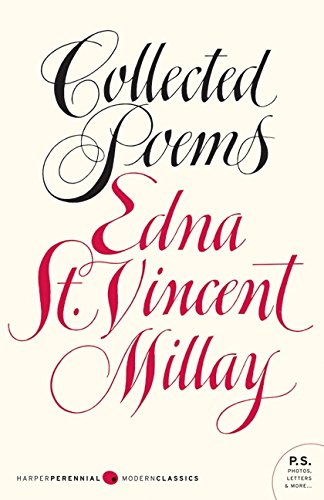
Some teenagers just don't like books, period. Some teenagers do like books, but they're interested in books that distract them from those of their problems that are most obvious to adults. Maybe they're Puerto Rican all the time and don't particularly want to read about that, but what they would like to discover, in English, might be some lyrical and witty poems...

https://www.paypal.me/PriscillaKingUS/15


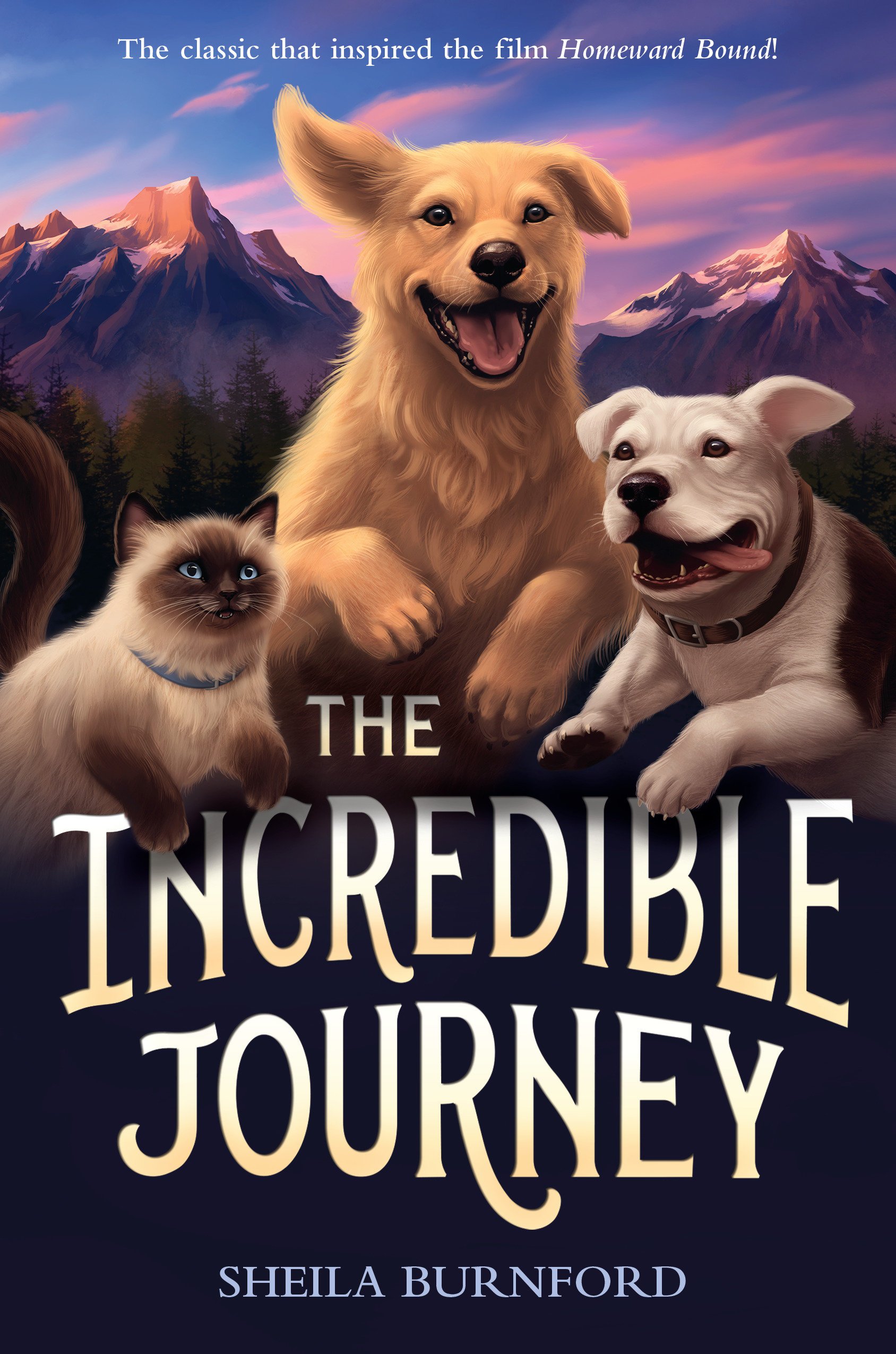
...or an easy-to-read, fast-moving animal story...

https://www.paypal.me/PriscillaKingUS/5


...or something informative that stretches their brains and helps them enjoy being intelligent...

A Brief History of Time by [Hawking, Stephen]
https://www.paypal.me/PriscillaKingUS/15


(Note from the adult who's actually typing these words: None of these was a favorite of mine but they were favorites of ethnic-minority students who rejected the minority-experience stories and teen-problem stories that were supposed to be just for them.)

(2) Teenagers who do like books don't usually like being bombarded with information about the problems they don't have.

Like, okay, this one is at least funny about the subject, which I like, sort of...

https://www.paypal.me/PriscillaKingUS/10


...but this is exactly what I do not want, even if you think every teenaged girl does, or should...

https://www.paypal.me/PriscillaKingUS/20


...and if you hand me anything like this, I am sooo never speaking to you again you disgusting pervert!!! (In the United States it is illegal for teenagers to have any experience that would allow them to identify as any kind of "sexual." It ought to be illegal for adults to tell them to think about it.)

I wouldn't sell this one, but someone on Amazon undoubtedly would.


...'cos what I really want are nice clean stories about people who ignore their hormones, which are only going to get them into trouble, and have lives, like with adventures. Even if they're the same stories I've been reading over and over since grade three...I'd rather reread a family story, this time from the older sibling's perspective, than read another disgusting Teen Romance:

https://www.paypal.me/PriscillaKingUS/15


...I'm not into science fiction, but it certainly beats romance...

https://www.paypal.me/PriscillaKingUS/10


...and I'm not into war stories, but at least this kid had real worries other than silly teen romance...

https://www.paypal.me/PriscillaKingUS/10


Get the picture? I don't date because I don't want to date. Like most teenaged girls I have lists of boys who find me attractive and boys whom I find attractive, but I don't need to read more about how one day one boy is going to be on both lists at the same time, because, if and when it happens, that's going to be another problem. Somehow I don't think anybody is publishing novels about how young couples say no to making babies. Actually, I might be more interested in true stories about people who don't let their hormones push them around, who tune out all the cultural pressure and do all the other things I am trying to do. I'm a teenager. I want to explore the whole world, not lock myself into a flippin' nursery. I just got out of the nursery!

https://www.paypal.me/PriscillaKingUS/40 (and yes, it's still worth that)


I don't want to be a homeless nomad like so many young Americans. I want to get some use out of...

https://www.paypal.me/PriscillaKingUS/20


Because I'm female and do well on tests I keep hearing "Teach, teach." I do not particularly want to spend my whole life in schools. Maybe I'd like to explore more about the other ways...

https://www.paypal.me/PriscillaKingUS/15


I am frankly tired of reading about Marya Sklodovska Curie, about whom half a dozen biographies have been written and all of them are constantly handed to girls who are "smart" enough to know we don't want to work with radium, but I like reading the memoirs and essays of novelists...

https://www.paypal.me/PriscillaKingUS/35


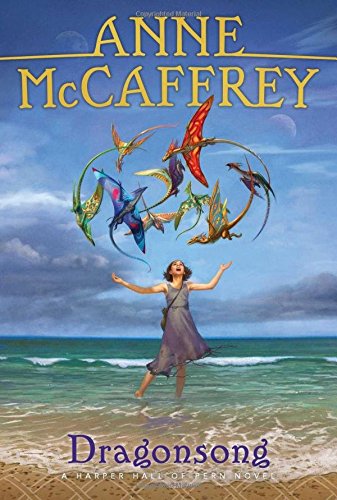
I skimmed every single book in the school library's fiction collection in grade nine, and if you want to know which book I liked best, it was a book full of fresh new (to me) history, and adventures; it showed me that being Christians didn't mean just always doing what you were told and pretending to like it, that even teenagers could actually make Christian choices of their own. There weren't nearly enough books like that in the school library. There is a Teen Romance in this book but it's kept in its place.

https://www.paypal.me/PriscillaKingUS/5


(Another note from the adult writer: Not all of these books were available to me in high school, but I liked each of them when I found it, in the way I would have liked them if I'd read them in high school.)

Several writers whose young adult books I liked, as a teenager, young adult, or young-at-heart adult, have written about how they wrote such good books.

https://www.paypal.me/PriscillaKingUS/20


Several of them mentioned, at various lengths, a point Joan Aiken made particularly well...

It may be useful to bear in mind that 55% of teenagers "live in non-traditional families" (and yes, unfortunately most of those are not healthy extended families but dysfunctional broken homes), and 10% think they're something other than heterosexual (and something is badly wrong when anyone under eighteen has enough experience to say a thing like that), and 46% identify as "non-Caucasian," and 41% are classified as living in what at least passes for "poverty" in these United States of Obscene Wealth, and 36% are Internet addicts, and 50% claim to have used drugs, and 20% are classified as having mental illnesses (most of which are probably produced by the said drugs), but at least, the social workers can be proud, only 7% are able to drop out of the schools where they lead such dysfunctional lives. Or, in short: writers tend to write for our young relatives, and writers' young relatives tend to be privileged young people.

But good books are not written "by the numbers." Good writers don't sit down to write a book about a trendy problem, which would obviously be "living in a non-traditional family," set in a trendy city, with a trendy solution, where all the characters have trendy names and trendy interests and trendy personal paraphernalia. Good writers sit down to write a story they (and, ideally, their young relatives) consider interesting.

https://www.paypal.me/PriscillaKingUS/60


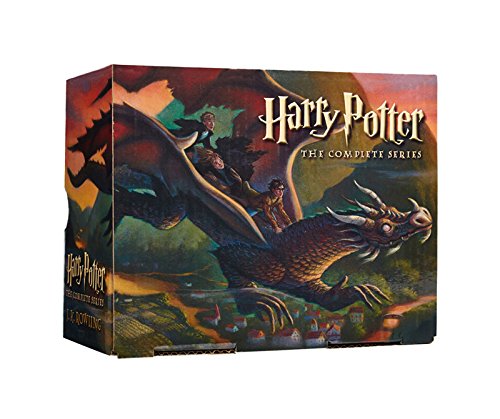
Harry Potter is not a story written by the numbers about an ethnic-minority gender-confused teenager who lives in "near poverty" and uses drugs and struggles with a mental illness; it's a fantasy about a White teenager who lives at school, is rich, and struggles with the social problems produced by having a talent, which is a safer topic to discuss when the talent in question is pure fantasy rather than a talent for writing or math.

https://www.paypal.me/PriscillaKingUS/5


Clueless is not a story written by the numbers etc. etc.; it's what happened when a writer almost as gifted as Jane Austen tried to remake one of Jane Austen's novels (and some other classic novels, later) into a contemporary young adult story, and she and her students had so much fun that the remakes became a movie and TV empire.

https://www.paypal.me/PriscillaKingUS/15


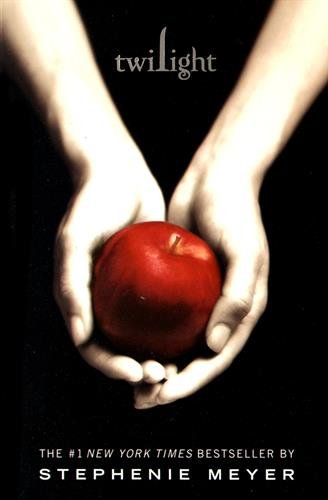
Twilight wasn't written by the numbers, or what a certain kind of school librarian thought the non-readers at his school ought to read, either. By any stretch. How teenagers relate to the ethical problems of being a vampire, school librarians probably don't want to know.

Even the works of James Patterson, Danielle Steel, Stephen King, Dean Koontz, or Debbie Macomber--all of which a lot of people who are otherwise non-readers do read (at all ages)--weren't written by the numbers, as something "supposed to be good for you." (The only one of those writers I like at all is Stephen King, and his novels do contain diversity: White people from Maine or New England, ghosts, space aliens, monsters, demons, vampires...)

My outer grownup, the bookseller, sees one way people who are physically 18 years old differ from people who are thirty or fifty or seventy years old: Today's 18-year-olds will accept a "graphic novel" or manga book as a serious work. Most older people will not. The mere idea of Maus being presented in a cartoon format, with the author's parents drawn as mouse-people, seemed to many older people like a silly, disrespectful way to "make light of" what his parents had lived through. I didn't have a problem with it and suspect those who are physically 18 years old today wouldn't have one either. They'll come up and ask for manga and they don't even mind reading the original Japanese editions that are, to American eyes, printed backward.

Here's what my outer grownup sees people-different-from-me doing in the real world: When they buy books, young adults actually seem to have similar taste to adults. In my part of the world that means a lot of interest in Christian books (nonfiction books about the faith), Christian writers, and Christian characters in fiction. (Quite a few people who look for Christian content are also interested in writers of other faiths--but they're more likely to spend the money for a new book to encourage a writer of their own Christian denomination, more likely to buy a book by a non-Christian in a dime-a-dozen sale.) I've worried about setting up a display with 50% Christian books--no worries, the Christian books sold first!

Of course that's partly because people of all ages, in my part of the world, buy books as gifts for newly baptized Christians and/or ministers, at least as often as they do for personal enjoyment. Some of the teenagers who buy Bibles, and ponderous Bible dictionaries, concordances, and commentaries, to give to their elders, buy only games and movies for themselves. Video discs definitely move faster than books...but books do move.

When young or old adults buy books for themselves, they like facts. They like history, especially local history but also foreign history. They will buy scholarly books when they're not even taking the relevant classes. They like comedy. After Christian books, history and comedy are the fastest selling genres, and novels are the slowest. Cookbooks and other how-to books are reasonably popular. Books about stamp collecting move faster than novels.

When they do buy novels, gender correlates with genre and mood, but age does not. Male fiction readers like adventures and suspense. They don't demand violence, gore, or horrors per se but they like stories with a sense of real danger, stories that nannies might have worried would keep them awake at night when they were little boys. They like stories that they can accept as mostly true. Female fiction readers like "exciting" stories with dangerous adventures in them too, and many of them don't mind a good gross-out, but they will also read a nice cozy romance about how a Christian couple who are already married settled their disagreement and lived happily ever after. (Male readers are likely to agree that, in the absence of real doubt that even the marriage will survive unharmed, those stories are "boring as Hell"...how boring that is probably depends on whom you're visiting, so they can talk about their relatives and I'll talk about mine.)

They do not prefer "dark" (pessimistic) over "light" (optimistic) content, I'm glad to see. Older people with depression as a symptom look for "happy" books that don't make them think of illness, death, or guilt. Young people, whose moods are still swinging far and wide regardless of what they read, often look for "exciting" books that seem to help them build mental toughness. The ones who like war stories don't seem to worry about how much the authors dwell on the gore and the wounded babies. They don't demand either grit or grimness. I like a mix of sad and happy endings, myself.

https://www.paypal.me/PriscillaKingUS/15


A guy who's already learned how to beat off bullies learns how to work with other people. Only, it's a series, and if you read the earlier books you know that, after making his last year in school a good one, the guy dies.

https://www.paypal.me/PriscillaKingUS/5


The kid copes with all his teenage challenges, and the story is laugh-out-loud funny. Only, at the end, and on through the sequels, he's still a self-obsessed nerd.

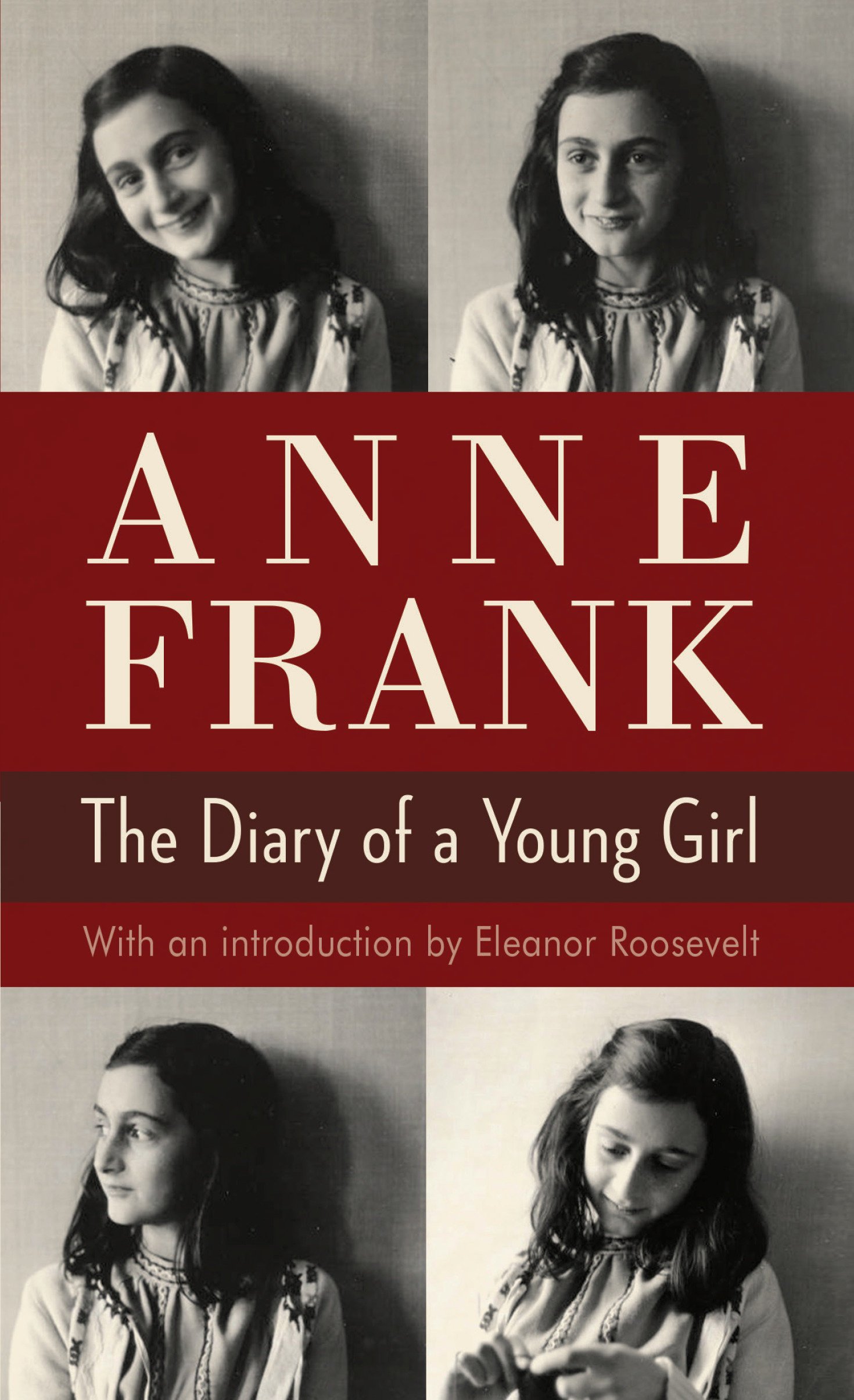
Then there's Anne Frank, linked above: The kid copes with all her teenage challenges, and several extra ones, with so much grace, wit, and insight that people carry on about whether her parents only helped her edit her war memoirs (she was definitely writing for future publication) or wrote them for her. Only, after the end of the diary, we all know she dies...

Good books for young adults usually (not always) are about young adults. Beyond that, the only rule is that they need to be good books.

They can be about animals.

https://www.paypal.me/PriscillaKingUS/10


They can be about space aliens.

https://www.paypal.me/PriscillaKingUS/5


Funnily enough, the book that adults thought was going to crawl right inside my head and tell me all about myself ('cos adults thought all I was interested in was myself, ((eyeroll))!) always seemed to me to be about space aliens.

https://www.paypal.me/PriscillaKing/10


Those written-by-the-numbers characters with their very very timely and trendy problems did not remind me of anybody I ever knew. Of course, that's partly because, when I've met people who seemed as if they might have been this boring even when they were thirteen, I've avoided them. Also they've probably avoided me,'cos the character in that book who looks like me is Laura Danker, right? Nufsed.

Tip for adults: Okay, so like once in a great while, like when we wake up in a messy bed, teenagers do want to consult one of those "Darling-You-Are-Growing-Up" books. (Information about getting the mess out of the sheet before anyone else sees it would be totally groovy. I mean, I now know about shoving anything with blood on it under cold water, fast, but I had to find that out from a deeply icky conversation with my mother, whose business I felt it was none of.) The rest of the time, will you please take your eyes and minds off our changing bodies and tell us something we do not already know? Like I know more about being towed through life by C-cups, already, than most of the people who write those lame books about Adolescence ever will know, so maybe they could tell me about, I don't know, how to find a publisher for a really super-lame-brained book and sell it to school librarians and get rich.

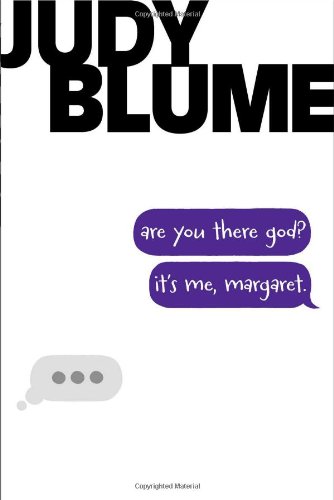
Like I wrote one, right? At fifteen? On a bet? The terms of the bet did not say anybody had to publish it, and I would have died of embarrassment if they had! I wrote the school novel to end all school novels, where this sloppy girl has a crush on this boy who is so obviously a funny-looking pizza-face, and it just got lamer from there. I mean this girl lives in the real world, but she's a total loser. I do not actually think the world needs more novels like that. But at least it was closer to reality than Judy Blume's young adult novels. That was one writer who should have stuck to primary school books.

I will admit I like some books about people whose problems aren't exactly like mine, only in some way they are.

https://www.paypal.me/PriscillaKingUS/15


This is not really a book about the civil rights movement, although it's set in that period of history. It is about bullies and working around them.

Caddie Woodlawn (2 Book Series) by  Carol Ryrie Brink
https://www.paypal.me/PriscillaKingUS/15


This is not really a pair of books about gender identity, although people used to want to make it one. It is about the difference between having fun and being mean. Mostly it's about having fun, so it's fun to read.

https://www.paypal.me/PriscillaKingUS/30


And if this one were really a romance, it'd be a lousy one. Scarlett is a selfish spoiled brat who doesn't deserve True Love and doesn't get it. It works, though, as a serious summary of our Southern States history in a literary form. Men who don't have any better sense than to marry Scarlett deserve what they get, but they're symbols of different ideas we've tried to live by. This story is really about what kind of belief system we want to live by, now. That's why everyone has to pick their own ending...

Yes. Right. Teenagers do notice literary stuff like structure and symbolism, when adults leave us alone.