Wednesday, May 17, 2017

Book Review: Lucinda's Party Foods

Title: Lucinda’s Party Foods


Author: Lucinda Christenson Larsen

Date: 1946

Publisher: Caxton

ISBN: none

Length: 315 pages plus 6-page index

Illustrations: several black and white photos, full-color frontispiece

Quote: “The contents of this book on Party Foods consists of cakes of all kinds and frostings…every type of candies, both homemade and commercial…plain and fancy cookies, rolls, sweet rolls, coffeecakes, doughnuts, pastries, pies, frozen desserts, puddings and Danish pastries.”

That’s what you’ll like and what you’ll not like about this book. Lots of desserts…but it’s all desserts. If you’re looking for savory as well as sugary recipes, you’ll have to find another cookbook.

Actually, I found other things not to like about Lucinda’s Party Foods. One is that the author fell short of her own goal. She claimed to be offering these recipes to “the newest cook” but she frequently expects the cook to know which type of pan to use. Actually most baked goods can be baked in almost any pan, in almost any oven, but the time they take to bake and the texture of the finished product will vary accordingly. You don’t get the same cake someone else made if you bake the same batter in 8” or 10” instead of 9” round pans.

Another thing I’m not wild about in this book, despite its historical interest, is that as a professional chef Mrs. Larsen used several “industrial” ingredients that were never available in ordinary grocery stores. Some of them are no longer used, or, if the same chemicals are being manufactured, they’re not sold under the same names. Of course industrially prepared processed desserts contain even more chemicals than Mrs. Larsen’s confections…in any case, some of these recipes are the kind of thing our grandmothers used to make, and some of them are the kind of thing our grandmothers used to warn people off buying in stores.

And then, of course, in 1946 nobody knew anything about food intolerance. People had food intolerance diseases, and oh how they suffered, because they didn’t realize that conforming to the idea that all people ought to be able to eat anything any person could eat was what was making them sick. A few of Mrs. Larsen’s recipes don’t contain milk, egg, or wheat products, but that’s strictly by accident. (Between 1940 and 1945, planned shortages of popular food items had inspired cooks to develop dessert recipes that relied less on sugar, eggs, wheat, and dairy products. Some of the resulting “War Cakes” and similar treats were quite palatable, and remained popular after the war.)  All of them are loaded with simple carbs; if they don’t call for sugar as such, they call for some alternate form of sugar like corn syrup, molasses, or honey, and since those were often more expensive and harder to find than sugar, the alternative sweeteners are usually combined with sugar anyway. Most are high in saturated fat, as well.

Does that leave anything to like about this book? Much. If you want to make your own candies that are “free” from some additive or other while being based on sugar and corn syrup processed the same way they’re processed in the big factories, here are explanations of (usually several different ways) to make fondants, cremes, marshmallows, nougats, caramels, toffees, and hard candies.

Mrs. Larsen was Danish-American, and her “Danish pastries” collection goes beyond a few recipes for the flat sweet rolls we all know so well. There are six different recipes for aebleskiver, the apple-stuffed pancakes (although only the first recipe explains that what makes these things aebleskiver is the apples tucked in between the two dollops of batter before cooking). There’s also a recipe for pebernodder that illustrates how, although the general term in several European countries literally translates as something like “pepper cookies,” the actual spices used in these spice cookies were more often cinnamon and ginger rather than pepper.

If your family like to bake a different cake or batch of cookies every weekend and eat your way through it all week, Lucinda’s Party Foods offers new treats to last you…more than a year, especially since several of the recipes are basic ones that leave room for a few dozen variations. When Mrs. Larson said “flavoring,” she meant “Experiment with all the different ones a well-stocked supermarket offers! Not just vanilla and almond extracts…try banana, mint, hazelnut, pineapple, brandy…” She was well paid for helping grocers move the less popular spices and extracts, and some of them actually taste good in cakes and cookies. “Make several batches using different nuts and flavorings,” she urges.

If your family can’t make one cake or batch of cookies last a week…and that’s not because you’re talking about an extended family…then fewer recipes for sweet treats, and more creative suggestions for using more vegetables, may be what you need.

The general purpose of this book is to ensure that you’ll always have something “homemade,” not merely chips or drinks, to take to a party. Cherry cake? Pumpkin cake? Chocolate eclairs? Not all of these recipes are foolproof enough for “the newest cook,” and some (like angel food cake and divinity candy) depend on conditions that may be beyond the cook’s control, but most should yield reasonably satisfactory results. There are certainly enough recipes here that any non-diabetic reader has to be able to find some that s/he likes.

Mrs. Larsen no longer needs the dollar she'd get if this were a Fair Trade Book but, as usual, it can be purchased together with one or more Fair Trade Books: $5 per copy of Lucinda's Party Foods + $5 per package (for shipping) + $1 per online payment (Paypal takes its bite) to the e-mail address you receive from salolianigodagewi @ yahoo, or $5 per copy + $5 per package via U.S. postal order to P.O. Box 322.

Tuesday, May 16, 2017

I'm Here, Just Leaving...

...Just leaving the cafe, after slogging through the e-mail.

I posted a serious discussion question on Twitter and so far, of the hundreds of people who allegedly follow me and have seen this question reposted to various people throughout today and Friday, nobody's posted an answer. That's not necessarily bad, if people are working on long thoughtful posts rather than tweets, but it's disappointing.

Meanwhile the usual backlog of e-mail poured in over the weekend. Lots of distractions. One survey (from Freedomworks, so I couldn't bring myself just to ignore it) positively forced wrong answers to lots of political questions: simple summary: "The correct answer to 'What do you think of President Trump's proposals on...' is 'As little as possible.'" I've not been able to bear the sight of much current political news. I think of myself as a reasonably tough-minded old lady but there are limits to everything.

One thing I've been waiting to learn, I learned, today: Although those cryptic "keywords" posts didn't generate a paid-up subscription, they did generate more than twice as many page views as the "link logs" that preceded them! Keywords are likely to come back!

Another thing I didn't really want to think about, I learned today: All the coffee I've been drinking, while blogging from a cafe, just might be the source of the glyphosate contamination that's been making me sick lately. That's not entirely bad news, but it sort of blindsided me. Ouch.

Is this post as bloggy as it can possibly be? Yes? Good. I came in this morning with several ideas--discussion of the question of what social media can do to improve the police service, another cute insect gross-out post about yet another fuzzy li'l caterpillar I found while pruning the hedge on Monday, a Tortie Tuesday post about a shelter cat who might be a good companion for my poor lonely social tortie-cat Heather, more books--and let the e-mail bump them all back to the back of my mind. This may be good for the ideas. See y'all tomorrow.

Morgan Griffith's America First Energy Policy

From U.S. Representative Morgan Griffith (R-VA-9), editorial comment below the end quote mark:

"
America First Energy Policy

An international deal the Obama Administration and environmental activists joined into has requirements that will cause the United States to voluntarily lose hundreds of thousands of jobs and significantly increase energy costs.

It’s called the Paris Agreement. Not approved by Congress, no legal ramifications.

Why did the United States enter the agreement?

Good question.

It surely doesn’t help put American energy first, make energy more affordable for Americans, or stabilize our power grid.

The agreement is aimed at lowering emissions and limiting climate change to 2°C above pre-industrial levels, basically an arbitrary number.

Notably, developed countries like the U.S. are expected to dramatically reduce actual emissions, while developing nations, such as India and China, are asked to lower emissions corresponding with their economic output. In other words, America is asked to kill jobs and risk our power grid stability, even if China and India are contributing more emissions than we are!

A recent report states, “Remaining in the pact commits the U.S. to reducing our carbon emissions by nearly 30% below 2005 levels — even though most of the world's major polluters will continue to emit massive amounts of greenhouse gases into the atmosphere. That is why some supporters of the Paris Agreement concede that the gains would be ‘symbolic.’”

It continues citing “estimates that, over the next decade, the agreement will cost Americans an extra $30,000 per family of four in higher energy prices and some 400,000 lost jobs.”

The study compares the Paris Agreement to “a $2.5 trillion global tax on American production. So the costs to America would be anything but "symbolic."”

It would be crushing.

President Trump promised to focus on American energy independence to bring stability to the grid and boost our economy.

At the start of his Administration, he appointed Scott Pruitt to lead the Environmental Protection Agency (EPA) and Rick Perry to lead the Department of Energy (DOE), both of whom are determined to lead their respective organizations in a new direction. Both appointees are committed to taking bold actions that reflect the will of the American people, and will result in long-term, positive impacts for our country.

Administrator Pruitt is focused on these goals and to achieve them, he has recommended President Trump pull out of the Paris Agreement.

Those who argue to stay are mostly environmental activists who want to defend Obama Administration policies. They defend the $1 billion Obama contributed and the $3 billion Obama pledged to the Paris Agreement. Our commitments to foreign nations should be negotiated for America’s best interest, not by activists with their own agenda.

Furthermore, staying in the Paris Agreement leaves environmentalists with a defense for the Clean Power Plan or similar detrimental policies. It opens the door to lawsuits from environmental activists to force the EPA to institute policies to meet our commitment. Exiting the agreement makes it clear there is no room for liberal interpretation leading to new regulations. An exit allows the EPA to continue the mission of undoing harmful, costly, and job-killing regulations and continue to work for an America first energy policy.

In efforts to strengthen our power grid at home, in April, Secretary Perry commissioned a 60 day study to address the “concern about how certain policies are affecting, and potentially putting at risk, energy security and reliability.”

In his memo commissioning the study, he notes the importance of sustaining baseload power. The textbook definition of baseload power is the “minimum level of demand on an electrical grid over a span of time. Baseload power sources are power stations which can economically generate the electric power needed to satisfy this minimum demand.”

We are lucky, in the U.S., to have many sources that can contribute to meeting power needs; like coal, natural gas, wind, hydro, and nuclear. The study will determine how federal policies, regulations, and subsidies have skewed the balance of baseload power. It will examine how this has jeopardized the reliability of the electric grid, affected jobs and economic growth, and possibly threatened our national security. Specifically, DOE will determine if “regulatory burdens, as well as mandates and tax and subsidy policies, are responsible for forcing the premature retirement of baseload power plants.”

Perry concludes the memo by reiterating that “the Trump Administration will be guided by the principles of reliability, resiliency, affordability, and fuel assurance-principles that underpin a thriving economy.”

I will continue to support these policies of Administrator Pruitt and Secretary Perry “to ensure that we provide American families and businesses an electric power system that is technologically advanced, resilient, reliable, and second to none.”

If you have questions, concerns, or comments, feel free to contact my office. You can call my Abingdon office, 276-525-1405, or Christiansburg office, 540-381-5671. To reach my office via email, please visit my website at www.morgangriffith.house.gov.
"

Editorial comment: It's interesting to compare the two main models of climate change...

The debate about global warming is acrimonious, politically charged, and endlessly bickered about. Doing something about it, we are told, would involve voting for policies and people that might make some people richer than they are. Any effects on the actual climate in your neighborhood remain unknown but, based on hard scientific facts, the probability that your doing what you're told to do to fight global warming would lower your air conditioning bill this summer is very low.

The facts about local warming are objective, politically neutral, and long documented. Doing something about them would involve making decisions you might find sweaty and boring, like walking rather than driving. The effects on the actual climate in your neighborhood, if enough people did what they could choose to do to fight global warming, could certainly lower your air conditioning bill this summer.

This web site supports Congressman Griffith all the way. However, he's been in Washington, listening to lobbyists from the various energy corporations, for several years now, and this web site would like to remind him that local warming is what makes Washington so unpleasant in summer. Before the pavement, the air conditioners pumping hot air onto the streets, and the greenhouse gases from (it's official) America's worst traffic, The Swamp wasn't hotter or more humid than Columbia or Manassas. We need...not necessarily legislative coercion, but leadership, to fight local warming. The Ninth District itself needs that, but D.C. needs it even more.

Book Review: Madeline

Title: Madeline


Author: Ludwig Bemelmans

Date: 1939 

Publisher: Simon & Schuster

ISBN: recent reprint 978-0-14-056419-6

Length: pages not numbered; I count 42 pages of text/illustration

Illustrations: paintings by the author

Quote: “To the tiger in the zoo Madeline just said ‘Pooh-pooh’.”

Does anybody not remember this picture book? It’s a short story about a little orphan who is so cheerful at all times that, when she has appendicitis, the other eleven orphans want to have their appendixes out too.

I remember getting a twenty-year-anniversary reprint edition when I was just old enough to read the words. My mother didn’t like it. Who wanted to read about a lot of stupid children who all wanted to be sick just because one of them was? I didn’t, I decided. Also Miss Clavel’s nunlike costume looked more than slightly like the costume of the Wicked Fairy Maleficent in the Disney picture books I had. So I was in a minority of baby-boomer girls who did not like Madeline. But most of us did, and most children still do, like this easy-reading picture classic. 


What most people loved about Madeline was not, of course, the foolishness of the little conformists, but the hasty, cartoonish, yet very recognizable scenes from downtown Paris. It’s fun to match the scenes of the orphans’ daily walks to real pictures. There were several sequels, and fans could find famous tourist attractions in those books too. 

The copy I physically own is available with a matching Storybook Doll (online price $20); other guaranteed gently-used copies are available online for $10. The whole set of seven slim books should fit into one package for a total of $40. 

Monday, May 15, 2017

Book Review: The Night I Caught the Santa Fe Chief

Title: The Night I Caught the Santa Fe Chief


(Amazon's generic mock-book-cover image is more colorful than the book I have--plain black hardcover with the author's name and title in very small gold-tone letters on the back.)

Author: Edward Thorpe


Date: 1970

Publisher: St. Martin’s

ISBN: none

Length: 184 pages

Quote: “Y’just crashed y’car but they ain’t chargin’ ya with anythin’, right?...[I]f they catch up with me an’ I got you along they’re gonna be jus’ a li’l bit careful how they act, ain’t they?”

Thus Frederick St. John Lloyd-Forbes, a 24-year-old wrapping paper designer on his first visit to the United States, finds himself camping in the desert above the U.S.-Mexican border with Gene Solensky, a hardened outlaw. Fred wrecked his rental car and was being taken to rent another one by a highway patrol officer when the report that Solensky had stolen a car and was in the vicinity came in. The patrolman tried to arrest Solensky. Solensky killed him and took Fred hostage, and overnight they became buddies on the Western-movie adventure of Fred’s British prep-school-boy daydreams…

That’s the trouble with this novel. It is a contemporary teenager’s fantasy, with all the trimmings: helpful hippies, friendly Navajos, fat foolish tourists the pair can exploit, all arranged at the most convenient times and places to make a story just the right length, with just the right amount of a moral, for a “Western” genre novel or movie. As long as they’re depending on the kindness of Gene’s conveniently situated friends, all goes well; when Gene kills a man who might or might not have been dangerous to him, his luck runs out just in time to bring him to a suitable end and send Fred back to his job in England.

It’s vividly written, by someone who’s done some camping and may even have been in Texas—not for long. Gene’s accent is all over the map and, though plenty of Americans take our own folklore too seriously, Gene’s character is pure nineteenth century outlaw legend. The graphically described three-way sex scene with the hippie could have happened—there were plenty of real hippies who subscribed to that kind of notion of hospitality in 1970—but the whole story is, well, too much of a fantasy to be plausible.

Basically The Night I Caught the Santa Fe Chief is escape reading aimed at teenagers and young men, who probably shouldn’t read it…but if somebody found the right actors and sank a lot of money into the production, it’d make a great movie.

So it's subliterature...maybe sub-subliterature, not nearly as good as Zane Grey or Louis L'Amour. And, for that reason, it's become hard to find, and if you want this classic of 1960s-meets-Western kitsch, it'll cost you $10 per copy (maybe more if Amazon sellers see this review and jack up their prices) + $5 per package + $1 per online payment, and I have no idea whether the author is living--undoubtedly under some other name, if he (or she) is, though I am reasonably sure the author is not American. Four, I suspect possibly eight, books of the size of the copy I physically own would fit into one package for one $5 shipping fee.

Sunday, May 14, 2017

Book Review: Cameos

Happy Mothers Day, Gentle Readers. I didn't write this book review with Mothers Day in mind, but it does occur to me that some of your mothers may remember the women profiled in this book...

A Fair Trade Book (hurrah!)


Title: Cameos

Author: Helen Kooiman (Hosier)

Date: 1968

Publisher: Tyndale

ISBN: none

Length: 163 pages

Illustrations: black-and-white photos

Quote: “In her fervor [Regina Ramsay] spoke to everyone she kenw and met. but, disappointed with their responses, she sought out…the wise elder of the Bible class. ‘Every time I mention the name Jesus Christ I lose a friend!’ Joyfully he replied, ‘Praise the Lord…Every time you lose a friend, or are persecuted for Jesus’ sake, you will be blessed’.”

…With a story to tell that will raise a sympathetic chuckle, anyway.

Helen Kooiman interviewed fifteen women who were well known in evangelical Christian circles in 1968. Much of the pleasure of reading her book, almost fifty years later, comes from hindsight, knowing what they went on to accomplish. This book presents golden memories of Olivia Plummer, Regina Ramsay, Ruth Dix, Joyce Landorf, Dale Evans, Wanda Jones, Marianna Slocum, Millie Dienert, Charlyne Haden, Marj Saint, Thelma Elfstrom, Lila Trotman, Darlene Swanson, Betty Truxton, and Vonette Bright.

Kooiman ended with an evangelical appeal packaged as a “Cameo” of “You, the Reader, Plain Jane,” who she assumes is not a Christian. It seems unlikely that many non-Christians would have wanted to read a book like this, but perhaps a few did.

I’d like to take this opportunity, though, to remind Christian readers that in real life, if you assume that anyone you meet outside of your church is not a Christian, and needs to hear about the “Four Spiritual Laws,” two types of people are likely to be offended: (1) people who belong to other religions and would have told you if they’d wanted to become Christians, and (2) people who are Christians and think that that should have been obvious to you. In a book it’s pardonable for an author to assume that people are not Christians when, in fact, they probably are. Writers never know who may pick up a book. People who know how to read English, have not yet been persuaded to become Christians, and would like to be so persuaded, probably do exist. In a long and active life I’ve never actually met one, but it’s always possible that a book might fall into the hands of one. But in real life we should try to avoid making assumptions about the religious identity of people we don’t know well.

Next question: Would reading these ladies’ “cameo” testimonies be likely to make anyone want to become a Christian?

I really have no idea. Some of the ladies were young and pretty enough that men might have wanted to  join the churches they attended, if they hadn’t been married, but they were. As I read Cameos I did not feel these stories having much effect on my Inner Child from 1968.

Books, as well as family influence, did have some effect on the development of a “spirituality center” in my adolescent brain: I’d been reading The Living Bible shortly before contemplating the beauty of springtime and having the falling-in-love-with-God moment at thirteen, and at fourteen, when I’d felt tried and needed to reaffirm the commitment I’d made, a popular novel that didn’t impress literary critics (I don’t think even the movie version of The Silver Chalice impressed Christian-phobic Hollywood much) was just what I needed to read. If The Living Bible and The Silver Chalice can contribute to the “making” of a Christian, probably anything can.

Nevertheless, Cameos went against the cultural tide of its day. If it appealed to any young woman in 1968, before she’d had time to see where the hippie and left-wing-feminist movements were going, she must have had an awfully off-putting experience with those and probably other social movements that appealed to Bright Young Things who wanted to be “free to be me.” Churches, for their part, tended to be hotbeds of the same censorious conformism that “Help Wanted—Female” jobs and left-wing-feminist groups tended to foster. It took considerable fortitude to “dare to be square.”

I’m not even sure that Cameos would have helped encourage that hypothetical young lady of 1968. Olivia Plummer comes across as having married beneath her, and being resigned—not a message likely tohave appealed to the would-be free spirits of 1968. (Her type of message did much to reinforce a message I was getting primarily from my mother’s illness: a woman was better off single.)

Ruth Dix, the missionary doctor, had an exciting life but in 1968 her story could only be told with a heavy wrapping of “Of course no ordinary woman should even think about training to be a doctor, so whether you’re a Christian or not, this is a very exceptional woman. Your life won’t be like hers at all.”

Joyce Landorf had a long, inspiring career as a Christian singer before writing one book, Irregular People, that was good enough even to be read outside the denominational publishing ghetto—in the 1980s—but her missionary effectiveness was always undercut by her focus on Emotional Problems. One thing I did appreciate, in Cameos, was its glimpse into Landorf’s and her first husband’s early lives and the experiences that caused them to focus on Emotional Problems—they had had them. In 1968 their testimony was about surviving a marriage so disastrous that, unbeknownst to each other, both of them had been seriously plotting suicides or “suicide attempts” for which they hoped their mates would be blamed, at the same time. It’s a lively story, and illuminates where they got that emphasis on Positive Thinking; it does not lend nearly so much credibility to Positive Thinking as Landorf seems to have hoped.
And then, Dale Evans, the superstar of that era…Wanda Jones, at least a star of considerable magnitude… no "Plain Jane" reader could have expected her life to have much in common with theirs...

And so it goes. With hindsight, as a Christian who’s enjoyed some of the later work of some of the younger women in this book for a long time, I enjoyed these Cameos of the way they were when I was too young to read their work. Without that hindsight, without years of thinking of them as foresisters and teachers and role models, I’m not sure that I would have been interested in “meeting” them through this book.

But now, in 2017, I can say that this book represents a tiny baby step toward the liberation of a few individual women, back when American society had agreed that women ought to have education and civil rights, but many women remained unsure what to do with their rights. Some of what these ladies were saying, at the time when non-Christian women were “consciousness-raising” about whether any woman could or should even try to sustain any marriage to any man, still tends to make my flesh creep. “If that’s what being a Christian wife and mother is all about, heavenforbidandfend—it may not be enough to avoid ever becoming a wife or mother; I may want to avoid ever becoming a Christian! Breathing oxygen may be more than I want to have in common with Olivia Plummer!” Times have changed. These Cameos show what the younger, more successful Christian ladies profiled in this book succeeded in changing about what’s expected of Christian women and what Christian women have to expect.

We've come a long way and I'm glad to report that Helen Kooiman, now Hosier, is still alive--and on Facebook!--to see it. I wish some of the women profiled for this book were, too.

Cameos is a Fair Trade Book. To buy it here, send $5 per book + $5 per package + $1 per online payment to the appropriate address from the bottom of the screen, from which I'll send $1 to Helen Kooiman Hosier or a charity of her choice. Six books of this size would probably fit into one package and if you ordered six copies the price would be $35, or $36 online. You can order books by different authors, as many as will fit into the package, for one $5 shipping charge; feel free to browse around this web site, which has been featuring a book review almost every day for years. 

Friday, May 12, 2017

Book Links: Correspondents' Choice

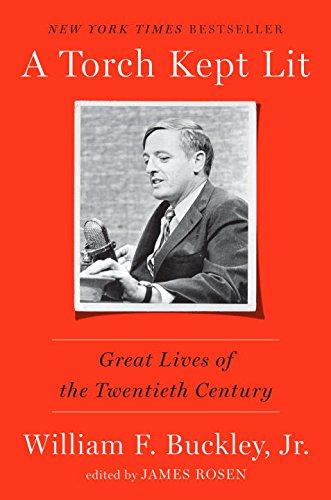
Shared by Jim Geraghty:


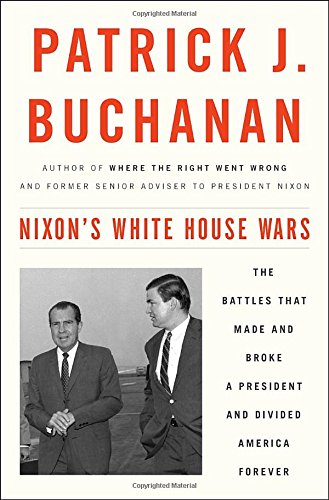
Also...y'know I never warmed up to Buchanan myself, but like him or not, he does remember the Nixon White House better than most living writers do these days! This one might be worth having for historical reference, even if you don't read any of the writer's other books.


Shared by Regnery staff. (Next week I'll try for a little more balance, maybe something from a non-politically-affiliated source.)

Book Review: Stories and Prose Poems

Title: Stories and Prose Poems


Author: Alexander Solzhenitsyn

Translator: Michael Glenny

Date: 1970 (Germany), 1971 (U.S.)

Publisher: Luchterhand Verlag (German), Farrar Straus & Giroux (U.S.)

ISBN: none

Length: 267 pages

Quote: “So, he thought, we’ve got to start all over again. Gather all nine hundred of them and explain: we haven’t got a building.”

In the Cold War era Alexander (or Aleksandr) Solzhenitsyn, combat veteran, cancer survivor, political prisoner, and eventual defector to the United States, was to the Soviet Union something like what the prophets were to ancient Israel:

(1) He believed in the stated goals of his country’s leaders.

(2) He told them what he saw that they were and were not doing toward achieving those goals.

(3) As a reward he was always controversial and was eventually banished from his native country.

When he came to the U.S. he told us what he saw here, too, and lost a lot of his fans. Careless readers, who wanted to like him just because he was too honest to fit well into a totalitarian state, had not realized that Soviet Socialism had been accepted because it appealed to the moral sense of sensitive, intelligent people. Socialism is the philosophy of the Deadly Sin of Envy. Nevertheless, people with a healthy conscience don’t want to hoard wealth while others are unable to earn livings, to bicker over dead friends’ belongings, to receive even earned benefits that are withheld from someone else who earned similar or better ones. Solzhenitsyn “converted” to the belief that more individual freedom is better than more totalitarian control; people who had really read his books wouldn’t have expected him to “convert” to any belief that “greed is good.”

I was too young to appreciate Solzhenitsyn during his lifetime. I’ve enjoyed discovering his work as an adult. Not many writers succeed in making short stories interesting to me. Solzhenitsyn does. In six long and sixteen short pieces, in this book, he illuminates the internal conflict between ideal and practice.

Not one of these stories is about sex or romance, although some of the characters are coupled. Not one is violent, although some of the characters die. All of them are about morality, although they can hardly be called moralistic. “Matryona’s House” is about a hardworking old woman and her greedy relatives. “For the Good of the Cause” is about teenagers who are bored with school generally, but enthusiastic about building their own vocational school—until the bureaucracy shuts it down. “The Easter Procession” and some of the shorter stories are about the persistence of Christianity in an atheistic state. “Akhar the Pouch” is about a cranky old park warden who earns respect from smart young travellers. “The Right Hand” is about a disabled veteran waiting to be admitted to a hospital. “An Incident at Krechetovka Station” is a war story about a spy. The short pieces are descriptions that convey a wonderful sense of topophilia, among other things.

Page 247 was the point where the author vividly reminded me of my father. “[W]e men will soon be flying to Venus…Yet, with all our atomic might, we shall never—never!—be able to make this feeble speck of a yellow duckling.” As I remembered Dad saying, sooner or later in any conversation about science, things like “Scientists may fly to the moon and back, but they can’t make a blade of grass grow,” it occurred to me that this is what fiction does for humankind. Fiction writers may or may not succeed in portraying other people the way those people really were; they can hardly help portraying people the way writers are.

The Cold War was primarily a trade war. We, humankind, can hope that there’ll always be some question whether we, the U.S. and the U.S.S.R., really could have destroyed the whole planet ten times over, or more, or fewer. Nevertheless at the time most of us took the Cold War seriously. “Can you trust the Russians?” was a serious question to anyone who thought it might be a good idea to stop building nuclear bombs, which I did, and also a cliché, a joke; I heard a good bit of it after someone noticed that a shelter cat I’d fostered for a few weeks had the look, and probably some of the same DNA, as the breed of cats called “Russian Blue”—ah, Dusty dushka, she could always be trusted to behave exactly like a normal cat who was only a little bit cleverer than most.For some of us, Solzhenitsyn’s ability to communicate that sense of wonder, reverence for life, respect for quirky old people, was a badly needed reminder that those “godless Communists” were human beings with a full range of noble and venal motives for the things they were doing.

That is widely considered to be the benefit fiction offers to humankind. So, this old book contains some of the twentieth century’s best fiction. It's not a Fair Trade Book (the author has no further use for a dollar) but it's available here on our usual terms: $5 per book, $5 per package, $1 per online payment, and as usual you can order as many books as will fit into one package for one $5 shipping charge.

Thursday, May 11, 2017

Book Review: Take One Step

Title: Take One Step


(Amazon has a paperback copy. I have a hardcover copy. Both are going into collector prices. If you don't specify which binding you want, you'll receive the one that's cheapest at the time.)

Author: Evelyn West Ayrault (1922-2006)

Date: 1963

Publisher: Doubleday

ISBN: none

Length: 310 pages

Quote: “Yes, she’s taken a step…And now, now she can walk!”

Although it’s an adult-size book, Take One Step might be a good first book about cerebral palsy for middle school students. The language is simple, and about half of the book discusses the experience of being a child with CP.

It’s more than a tiny bit repetitious, as the CP patient’s experience is. Little Evelyn learns to do something (walk, tie shoes, ride a bicycle) and feels almost “normal” at last. She is not. She has to concentrate intensely to control any part of her body. The way she walks and talks, especially if anything like a surprise or an emotional reaction breaks her concentration, always call unwanted attention and usually make people think she’s drunk. She seems to be perpetually crossing the same milestones, assessing whether she was or wasn’t jealous of her sister on a particular occasion, thinking she’s doing something ordinary people do one day and having people notice that she’s not doing it quite “normally” the next day, over and over.

This, she explains, is the way CP is. People who want to know about CP should not skip a page. Tedious? Very. Now imagine living it. As The Trouble Bush explains it, there are worse “troubles” than being an intelligent person with CP, but the condition is always going to be a bore.

And yet…many people have what might be considered mild forms of CP and don’t know it. Many people who are accepted as normal, but "such a klutz," have had brain scans that showed very mild degrees of CP-type brain damage.

(I was touch-typing at eight. “Normal” people’s two middle fingers move together; mine move independently, although my ring fingers (by themselves) are weaker and less coordinated than my other fingers. I also have double palmaris longus tendons, and can scratch my own wrists. I have both “gifted" and "trained" hands, until I try to hold two fingers exactly one millimeter apart. Then, more markedly with some fingers than with others, my fingers twitch with tiny but uncontrollable “purpose tremors.” Growing up, I marvelled that a few people I knew didn’t have “purpose tremors” and could tie knots at precise locations in fine wires, while most of us…yes, there was a minor traffic accident in which my mother bumped into the steering wheel, a few weeks before I was born…and yes, although more of the people I know have them than don't have them, "purpose tremors" are the very mildest symptom of tiny CP-like brain lesions. If you have them, the discipline of holding your thumb and finger one millimeter apart may help you understand what people with cerebral palsy go through.)

Cerebral palsy is a wide-open classification for all conditions in which damage to the cerebral tissue in the brain, before or during birth or during the first year of life, affects a person’s control of his or her voluntary muscles. The further along an infant or fetus is at the time of damage, the better the patient’s chances seem to be; if damage occurs after the first year of life, patients seem to have a chance of full recovery. However, the extent of brain injury varies dramatically, so cerebral palsy can mean anything. The whole body may be affected, or only parts may be. Some patients, like Ruth Sienkiewicz, have full voluntary control of only one eyelid; some patients’ arms are affected while their legs are not, or vice versa. Some have stiff, cramped muscles; some have floppy, twitchy muscles.Walking, speaking, eating, even showing normal facial expressions, may or may not be impossible.

Of course, brain injuries are not always confined to the cerebral tissue. Many people who have cerebral palsy also have cognitive, perceptual,and/or emotional disorders caused by their brain “lesions.” However, CP patients have a full range of I.Q. scores. Some are “gifted” and several have become writers.

It was harder in the early twentieth century, when belief in “normal” health and fear of “abnormalities” were rampant in these United States, than it might be now. It might have been even worse in previous centuries, when physical abnormalities triggered superstitious fears. At least, Ayrault was allowed to go to school, although after one bad day in college she was asked to eat in the kitchen because it was "too upsetting" for others to dine with her in the cafeteria. Despite her value as a role model for children with CP, parents thought she didn’t speak well enough to teach or counsel. Even as a middle-aged adult with a business practice in a New York flat, she relied on doormen to explain to people the difference between CP and alcoholism.

At several points, readers may feel like throwing the book across the room. Good lord, you want to shout, wasn’t it bad enough that Ayrault had to live with her disability, without having to live with so much stupidity about it?  

The answer is, unfortunately, “Not quite.” CP patients have better days and worse days. Even friends’ reactions to the patient’s symptoms can aggravate the symptoms. I admired the late writer known as Shalecka Boone, and I did manage to help her write, but most noticeably by just going back to school and leaving her free to bang on my old typewriter in peace.

Much has been accomplished since Evelyn Ayrault’s time—partly thanks to her willingness to write about how her practice as a psychologist was affected by “collegial networking” occasions where other psychologists gathered to read each other’s papers, but showed less interest in her paper than in watching the way she walked. At least people are a little more tactful now. At least schools recognize that gifted/disabled students like Ayrault are a positive contribution to human knowledge, all by themselves, and should be welcome at any school.

Yes, but…cerebral palsy will always produce that up-and-down cycle of ability, and it will always be a massive bore.

More enjoyable books have been written by people with milder forms of CP, like My Left Foot, but I think the world still needs this one. At least we all need to read it once.

I wouldn’t tell children to read Take One Step, or Karen or any other CP memoir. I would leave Take One Step on a shelf in a classroom and tell students in grades five, six, and up that it was probably too grown-up for them, because it is. It contains no explicit sex or violence but this book does convey, perhaps better than other CP memoirs do, some sense of the higher-than-average-adult level of patience a CP patient needs to have even to be a kid.

Ayrault no longer has any use for a dollar, so it's ironic that the prices of her books have actually risen. To buy Take One Step here, send $10 per book + $5 per package + $1 per online payment to the appropriate address from the bottom of the page. (Salolianigodagewi @ yahoo is not an appropriate Paypal address; it's the Message Squirrel system that directs orders to the appropriate Paypal account, for which Saloli will send you the address.) Although Take One Step is not a Fair Trade Book, if you want us to send $1.50 to a charity we can send that to www.cerebralpalsy.org . And, as always, you can add as many books to the package as I can squeeze in for the one $5 shipping charge.

Wednesday, May 10, 2017

Book Review: Snow Flower and the Secret Fan

A Fair Trade Book


(Amazon wants you to know that a newer edition is available; this is the one I have.)

Title: Snow Flower and the Secret Fan

Author: Lisa See

Date: 2005

Publisher: Random House

ISBN: 0-8129-6806-9

Length: 253 pages

Quote: “I dreamed that my mother would notice me and that she and the rest of my family would grow to love me.”

Where do I begin to describe this historical novel? Is it primarily about…

(1) A woman who desperately craves love, and her closest friend, and the nature of friendship.

(2) Nineteenth century China, including the not “secret” but simply overlooked “women’s writing” system called nu shu, and the Taiping Rebellion, and more.

(3) An old Chinese woman’s memories—actually,of life in the early twentieth century.

(4) The role of conformity in society; the possibility that mindless adherence to harmful customs may have some sort of social value of its own.

(5) All of the above, plus sex and violence.

I’d say (5).

Throughout history, people have found ways to cultivate social ties as a sort of back-up for those whose families don’t keep everyone “secure,” financially or emotionally. Clubs, “secret societies,” artisans’ guilds, religious fellowships, unions…and in nineteenth century China, in addition to marriage contracts, parents might invest in friendship contracts for their children. Middle-class women had little freedom, with their feet bound and very limited access to wheeled transportation, but in places where custom dictated that they visit their parents at several annual festivals, women friends could see each other and fulfill the obligations of these friendship contracts, known as lao tong. The contracts even stipulated that women friends would sleep together, apart from their husbands, during these visits.

Lily, the middle daughter in a middle-class family and narrator of this story, craves love. Feeling overlooked by her family, she pursues sister-love with Snow Flower. The girls become close friends and even share one of those moments of sexual exploration the curious young often confess later in life. (Lily never mentions any particular interest in sex with men and remembers cuddling with Snow Flower in loving detail.)  Snow Flower marries beneath her; her marriage is even abusive, but she likes sex anyway. If the women’s friendship is considered the primary plot, then a pivotal moment in the plot is Lily’s sense of betrayal when Snow Flower spends a night with her husband during Lily’s visit. Lily has a lot to say about the purpose of women’s lives being to maintain cultural standards. See leaves room for readers to imagine that Lily’s sense of outrage may come from other factors as well.

Nevertheless this novel does not seem to me to be primarily about the bitterness of a frustrated lesbian. Lily’s story is about her relationship to her society and culture, footbinding, needlework, cooking, nu shu writing (and learning isolated characters from the official Chinese writing system), camping in the mountains during the war (with bound feet, yes), in the end earning respect just by living long enough to be old. Whatever Lily’s sexual preference may be is not her primary identity in any case.

See’s informant about many of the customs of Lily’s village, she says in the endnotes, was a very old woman in a nursing home. The same lady also taught See several songs and poems that appear in the book…and also the rules of status and social hierarchy. Age was honored, the old lady emphasized. Ancestry mattered. Gender mattered terribly. Toughness was valued for women as well as men; footbinding defined a Real Lady more even than money or ancestry did, because a girl who could stand that much pain could stand anything. Learning was prized, most obviously for men since it qualified them for the best paid jobs, but also, although girls learned different subjects, for women. Parents bragged about their daughters’ painting and needlework, cooking, reciting poetry. The nu shu “letters” were often arrangements of polite conventional phrases, but those phrases rimed and could be considered a way of writing poetry...greeting-card-level poetry.

And yet, as ever…the most important aspect of status was money. The matchmaker who proposes Lily’s and Snow Flower’s friendship assures Lily’s family that Snow Flower’s family are richer than they are. They can believe this, because Snow Flower has learned more poems and more rich-girl affectations. Part of Lily’s dissatisfaction, later on, comes from the fact that although Snow Flower’s family used to be wealthy, they’ve become poor.

These characters live in “interesting times,” and See gives them a lively story. It's funny and sad, with births and deaths and lust and jealousy and grief and greed and battles and exotic food and beautiful landscapes and gross-outs and poems and celebrations and just about everything novel readers could want. I won’t spoil the plot by trying to discuss to what extent, if any, Lily ever finds love. Let’s just say that the combination of exotic settings and interesting historical events tends to be fertile ground for novelists. Carolyn See, Gus LeeAmy Tan, Maxine Hong Kingston are themselves a generation further removed from Old China than Bette Bao Lord or Jade Snow Wong, and Lisa See is a generation further removed than they; nevertheless her novel is at least as interesting to read as theirs.
See is still alive and active in cyberspace so this and other "older" books, or editions of her books, are Fair Trade Books. This web site's usual rule applies: Send $5 per book + $5 per package by U.S. postal money order to the post office box at the bottom of the screen, or that amount + $1 per online payment to the Paypal address you'll get when you e-mail Message Squirrel Salolianigodagewi, and we'll send $1 per book to See or a charity of her choice. At least four books of the size of my copy of Snow Flower and the Secret Fan would fit into one package; to buy four copies you'd send me $25, or $26 online, and See or her charity would get $4. You may order books by different authors in one package--as many as fit--and pay only one $5 shipping charge.

Morgan Griffith Explains AHCA

From U.S. Representative Morgan Griffith (R-VA-9):

"
Because health care is so important, there are two parts to the newsletter today, Chapter 1 and Chapter 2 - Preexisting Conditions. Both are below.

Health Insurance: Chapter 1
Last week, the House passed the American Health Care Act (AHCA) to repeal Obamacare and start a health care reform process to return power to the states, drive down costs, and offer options to American families.
Let’s review the current state of health insurance.
Across the country, costs have sky rocketed and choices have decreased.
In Iowa, 94 out of 99 counties will be left with literally zero insurance options on the Obamacare exchanges, when insurers pull out as they have announced. It’s the same situation for 16 counties in Tennessee. 1 2
In Arizona, the Obama Administration reported premiums increased 145% in Phoenix and 116% across the state in 2017.3
Don’t think it can happen here? Recently, Aetna announced they are pulling out of Virginia individual markets. Aetna said they “could still lose more than $200 million in its individual market products this year. That's on top of the nearly $700 million it's lost in the three years after the exchanges opened in 2014.”4
CareFirst Blue Cross Blue Shield requested a 35% increase in Virginia customer rates.5
More than 40% of Healthcare.gov (Obamacare) counties have only one insurer option.6
In the words of Majority Leader McCarthy, you know what doesn’t cover preexisting conditions? A health care system that doesn’t have coverage. No options means no coverage.
Democrats blame Republicans. But there is no way Donald Trump and the Republicans are responsible for these results.
In Bristol in 2008, Obama claimed typical families would save $2,500 a year in health care.8 Now, Nancy Pelosi and others who claimed or defended that promise, along with “If you like your plan, you can keep your plan,”9 are whipping up hysteria over hypothetical, alarming stories about the Republican health care plan.
The Democrats’ claims weren’t true then and they aren’t true now.
I’ve heard stories from Ninth District residents who struggle to pay increased premiums and are still faced with deductibles they can’t afford, forcing them to sell off assets.
Democrats’ claim the disabled won’t receive care and preexisting conditions won’t be covered.
That is just not true.
The idea that a rape victim, asthmatic, or child born with a severe health issue will be uninsured is blatantly false.
Democrats’ claims are so outrageous, even the Washington Post fact check gave 4/4 Pinocchios to one of the Democrats accusations. That’s a whopper.
Democrats also claim Republicans didn’t allow time to read the bill. We didn’t put a 2,000 page bill on the floor like Obamacare. I pointed out on the House floor, our base bill was 130 pages, available to read since March. The MacArthur Amendment was around 8 pages, the McSally Bill was less than 1 ¼ page, and the Upton amendment, offered the day before the vote, was only 2 pages. As I said, they could have read the text during the time it was being debated. But it appeared to me, the Democrats were more interested in scaring the American public than understanding the bill.
According to the Center for Medicare and Medicaid Services, an average of 10.4 million consumers paid premiums and had an active policy through the Obamacare marketplaces for the first half of 2016.10
However, 19 million Americans either paid the IRS penalty or claimed an exemption.11
That means more people rejected insurance under Obamacare than people who gained insurance.
Heritage Foundation reported, the average deductible for a family on a bronze plan is $12,393 and the average nationwide premium increase for individuals is 99 percent and 140 percent for families from 2013-2017.12 While I haven’t heard of deductibles that high here, I have spoken with a number of families with a $10,000 deductible.
In 2016, there were almost 30 million Americans still uninsured. 13
Is anyone really going to try and argue the costs and chaos of Obamacare were worth it for the increased premiums and deductibles, lack of choice, and significantly less expansion of coverage than forecasted?
Massive, one size fits all programs from Washington most often prove to be ineffective, wasteful, and expensive. Health insurance included.
The health insurance system won’t be fixed overnight.
Even if the Senate passed some form of the AHCA tomorrow, the benefits will not be seen next year. Insurers are already setting their rates for 2018 under Obamacare, and most likely will set 2019 rates before reforms can be enacted.
But the AHCA is the first step in getting Washington out of your health care, providing more choices, and lowering costs.
Health Insurance: Chapter 2
Preexisting Conditions

There are many falsehoods being spread about the American Health Care Act (AHCA).

You’ve probably heard Democrats and talking heads on the news warning that those with any preexisting conditions will no longer be able to get health insurance.

As Speaker Ryan put it, "Let's remember what is happening right now. Obamacare is collapsing. Obamacare isn't working. What good is Obamacare for anybody, let alone for a person with preexisting conditions if you don't have a health insurance plan that you can even get. So this is a rescue mission to make sure that we can achieve the goals we all want, which is getting the cost of coverage down and making sure that everyone has access to affordable health care, especially and including people with preexisting conditions.”

Furthermore, the AHCA prohibits denying coverage on the basis of a preexisting condition.

Democrats on the floor last week kept saying tens of thousands would lose their coverage because of preexisting conditions.

That’s just not true. It’s false.

Their theory is derived from the idea that if a state, in the future, requests a waiver (see below) from the Department of Health and Human Services, nobody in that state with a preexisting condition will get insurance.

Let me walk you through how it works and why the Democrats are just plain wrong.

It’s not a quick sound bite.

The waiver provisions, as included in the MacArthur amendment, would affect 7% of Americans who currently get health insurance from the individual market.1 Also, it would hopefully encourage some of the 8% who have currently chosen to be uninsured, to come back into the insurance market. It’s important to address health insurance needs of all Americans, but these percentages illustrate the scope of this scenario.

Out of those 7% +, the waiver changes would only affect an individual who lives in a state that receives a waiver AND
has allowed their health insurance to lapse more than 63 days.

The bill stipulates that if you have had no coverage for 64 days and then purchase health insurance, in a waiver state, with a preexisting condition, you can be charged more. Being on Medicaid counts as being insured.

Further, if you read the bill, one or more of the following criteria must be met for the Department of Health and Human Services to accept the states’ application for a waiver.

(i) Reducing average premiums for health insurance coverage in the State.
(ii) Increasing enrollment in health insurance coverage in the State.
(iii) Stabilizing the market for health insurance coverage in the State.
(iv) Stabilizing premiums for individuals with preexisting conditions.
(v) Increasing the choice of health plans in the State.

(Note, particularly iv)

Keep in mind, even with the waivers, a person can buy insurance. The question is, would their rates go up exorbitantly?

So for the Democrats’ dramatic claims to be true, we have to assume

1. You are uninsured for more than 63 days
2. You wish to enter the individual health insurance market
3. Your state asks for a waiver
4. Your state gets the waiver
5. Your state crafts a plan that meets the criteria above and still leaves people out
6. We did nothing to stop the rates from rising exorbitantly

But wait… we did something to help those with preexisting conditions who are also currently uninsured. Because there was a concern that some people could fall into that category, the Upton-Long amendment was adopted.

That amendment provides $8 billion in funding to help pay down the cost of insurance for a person with a preexisting condition, in a state with an accepted waiver, and placed into a health care risk sharing plan. So the cost charged to a person with a preexisting condition cannot be exorbitant.

But wait… there is even more.

The increased premiums, whether paid by the government, individual, or a combination of the two, only applies for one year under the AHCA.

If you have questions, concerns, or comments, feel free to contact my office. You can call my Abingdon office at 276-525-1405 or my Christiansburg office at 540-381-5671. To reach my office via email, please visit my website at www.morgangriffith.house.gov.
"

Tuesday, May 9, 2017

Morgan Griffith on the House's "Health Care Act"

If it doesn't require people to buy into insurance scams, I'll put up with it. I'm tired of all the bickering about which insurance scams are less evil than others. I want a cash-based medical care system. U.S. Representative Morgan Griffith (R-VA-9) explains how a system that's still insurance-based may be seen as a step toward a sustainable system. Do you believe this?

"
Health Insurance: Chapter 1
Last week, the House passed the American Health Care Act (AHCA) to repeal Obamacare and start a health care reform process to return power to the states, drive down costs, and offer options to American families.
Let’s review the current state of health insurance.
Across the country, costs have sky rocketed and choices have decreased.
In Iowa, 94 out of 99 counties will be left with literally zero insurance options on the Obamacare exchanges, when insurers pull out as they have announced. It’s the same situation for 16 counties in Tennessee. 1 2
In Arizona, the Obama Administration reported premiums increased 145% in Phoenix and 116% across the state in 2017.3
Don’t think it can happen here? Recently, Aetna announced they are pulling out of Virginia individual markets. Aetna said they “could still lose more than $200 million in its individual market products this year. That's on top of the nearly $700 million it's lost in the three years after the exchanges opened in 2014.”4
CareFirst Blue Cross Blue Shield requested a 35% increase in Virginia customer rates.5
More than 40% of Healthcare.gov (Obamacare) counties have only one insurer option.6
In the words of Majority Leader McCarthy, you know what doesn’t cover preexisting conditions? A health care system that doesn’t have coverage. No options means no coverage.
Democrats blame Republicans. But there is no way Donald Trump and the Republicans are responsible for these results.
In Bristol in 2008, Obama claimed typical families would save $2,500 a year in health care.8 Now, Nancy Pelosi and others who claimed or defended that promise, along with “If you like your plan, you can keep your plan,”9 are whipping up hysteria over hypothetical, alarming stories about the Republican health care plan.
The Democrats’ claims weren’t true then and they aren’t true now.
I’ve heard stories from Ninth District residents who struggle to pay increased premiums and are still faced with deductibles they can’t afford, forcing them to sell off assets.
Democrats’ claim the disabled won’t receive care and preexisting conditions won’t be covered.
That is just not true.
The idea that a rape victim, asthmatic, or child born with a severe health issue will be uninsured is blatantly false.
Democrats’ claims are so outrageous, even the Washington Post fact check gave 4/4 Pinocchios to one of the Democrats accusations. That’s a whopper.
Democrats also claim Republicans didn’t allow time to read the bill. We didn’t put a 2,000 page bill on the floor like Obamacare. I pointed out on the House floor, our base bill was 130 pages, available to read since March. The MacArthur Amendment was around 8 pages, the McSally Bill was less than 1 ¼ page, and the Upton amendment, offered the day before the vote, was only 2 pages. As I said, they could have read the text during the time it was being debated. But it appeared to me, the Democrats were more interested in scaring the American public than understanding the bill.
According to the Center for Medicare and Medicaid Services, an average of 10.4 million consumers paid premiums and had an active policy through the Obamacare marketplaces for the first half of 2016.10
However, 19 million Americans either paid the IRS penalty or claimed an exemption.11
That means more people rejected insurance under Obamacare than people who gained insurance.
Heritage Foundation reported, the average deductible for a family on a bronze plan is $12,393 and the average nationwide premium increase for individuals is 99 percent and 140 percent for families from 2013-2017.12 While I haven’t heard of deductibles that high here, I have spoken with a number of families with a $10,000 deductible.
In 2016, there were almost 30 million Americans still uninsured. 13
Is anyone really going to try and argue the costs and chaos of Obamacare were worth it for the increased premiums and deductibles, lack of choice, and significantly less expansion of coverage than forecasted?
Massive, one size fits all programs from Washington most often prove to be ineffective, wasteful, and expensive. Health insurance included.
The health insurance system won’t be fixed overnight.
Even if the Senate passed some form of the AHCA tomorrow, the benefits will not be seen next year. Insurers are already setting their rates for 2018 under Obamacare, and most likely will set 2019 rates before reforms can be enacted.
But the AHCA is the first step in getting Washington out of your health care, providing more choices, and lowering costs.
If you have questions, concerns, or comments, feel free to contact my office. You can call my Abingdon office at 276-525-1405 or my Christiansburg office at 540-381-5671. To reach my office via email, please visit my website at www.morgangriffith.house.gov.
"

Book Links: Readers' Choice

After considering whether to add these new books to posts about books I already have for resale, I've decided to add a new recurring feature: Tell me about the books you're reading, and once a week I'll share Amazon links so we can get some fresher titles onto this web site. And maybe somebody out there will even send me a copy. Readers' Choice book links are for books I, the writer known to Priscilla King, have not read--mostly because they're new. That means that buying them as new books helps their authors. I'm willing to post them here because I trust these correspondents to recommend books that are worth reading.

This post contains the most interesting books people recommended in April, while I was offline. Henceforward...I'm not promising that I'll be online daily (especially not while the weather is so favorable to working outdoors), and I'm not promising that I'll eat unless you support this web site with payments or work orders. However, if I am online, I'll make Readers' Choice book links a Friday feature.

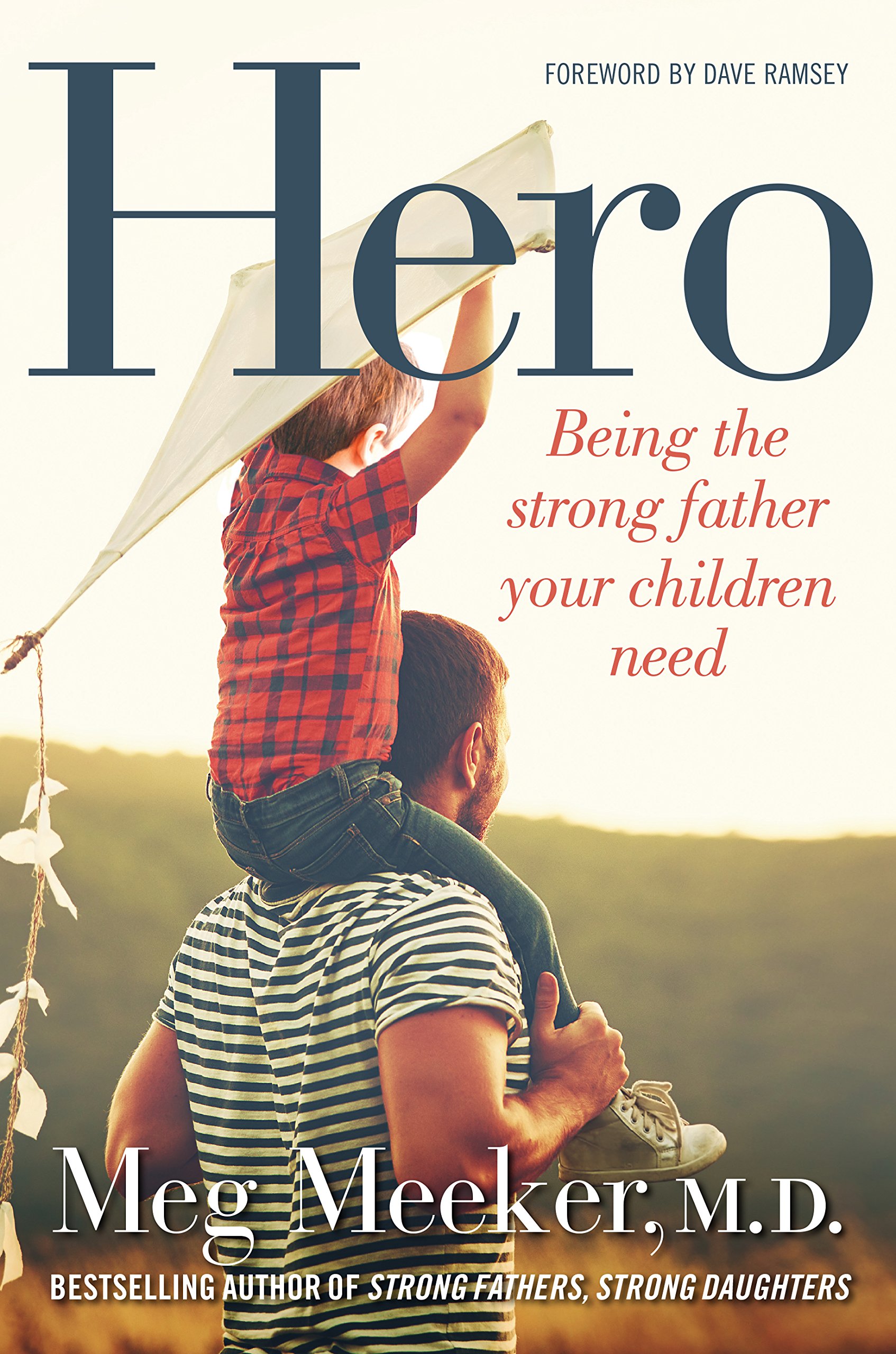
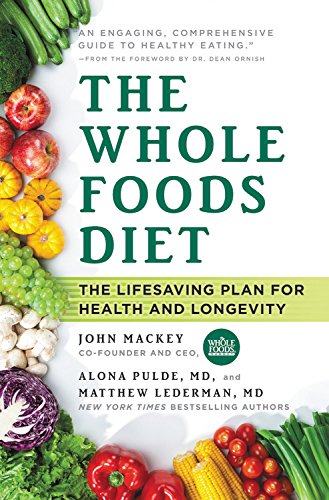
The McDougalls endorsed this new book:


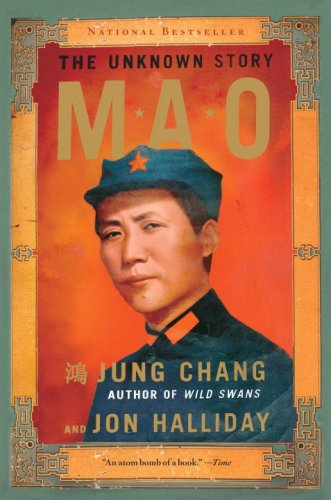
I've misplaced the e-mail that recommended this one. How authoritative is it? Mercy, how would I know? I know I really liked Jung Chang's family history novel, Wild Swans, as storytelling; I'm guessing her biographies (she's done more than one by now) are also a joy and a delight to read.


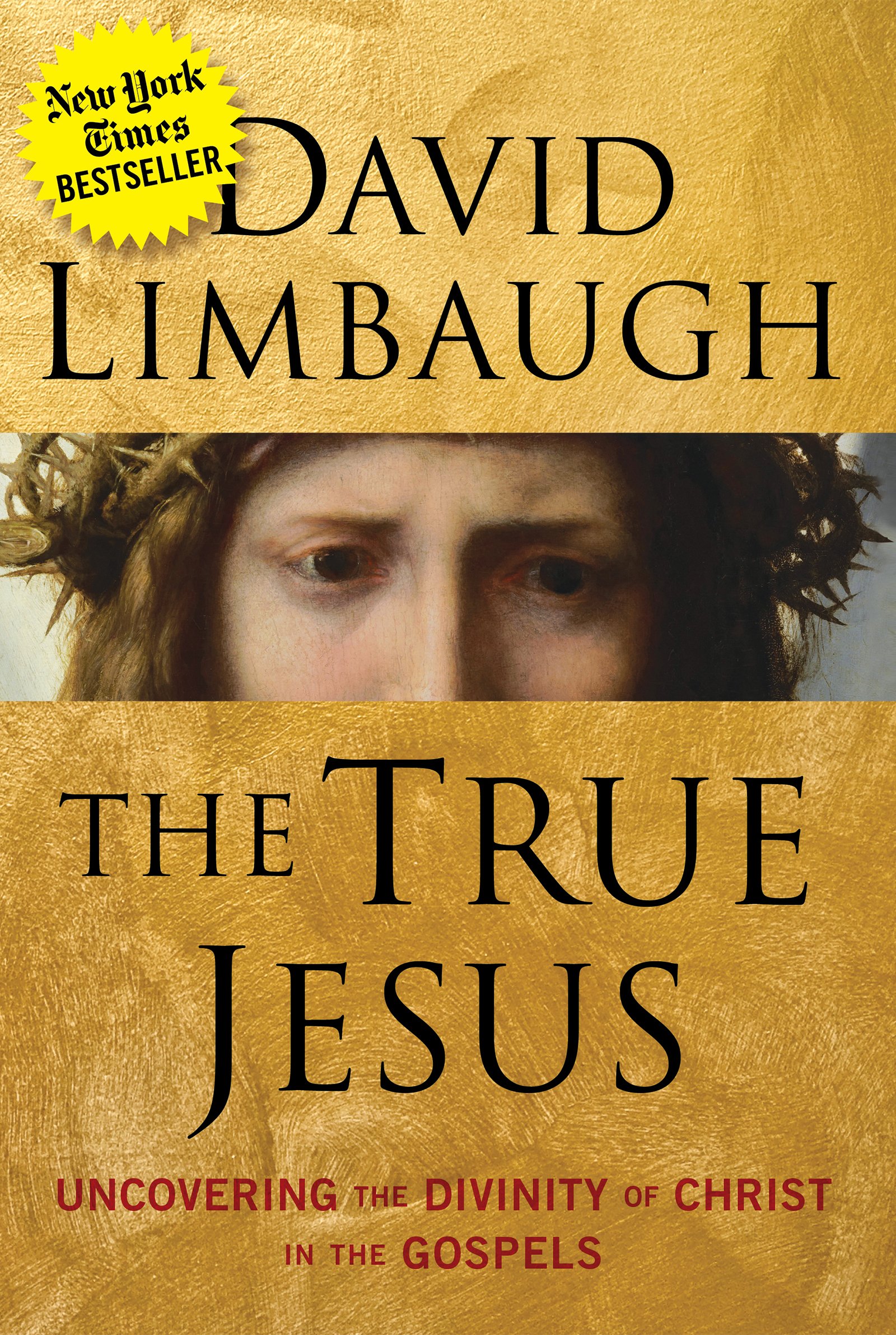
David Limbaugh wrote a decent unsympathetic history of the Obama Administration, Crimes Against Liberty (by now it's a Fair Trade Book), and here's what he's been doing more recently:


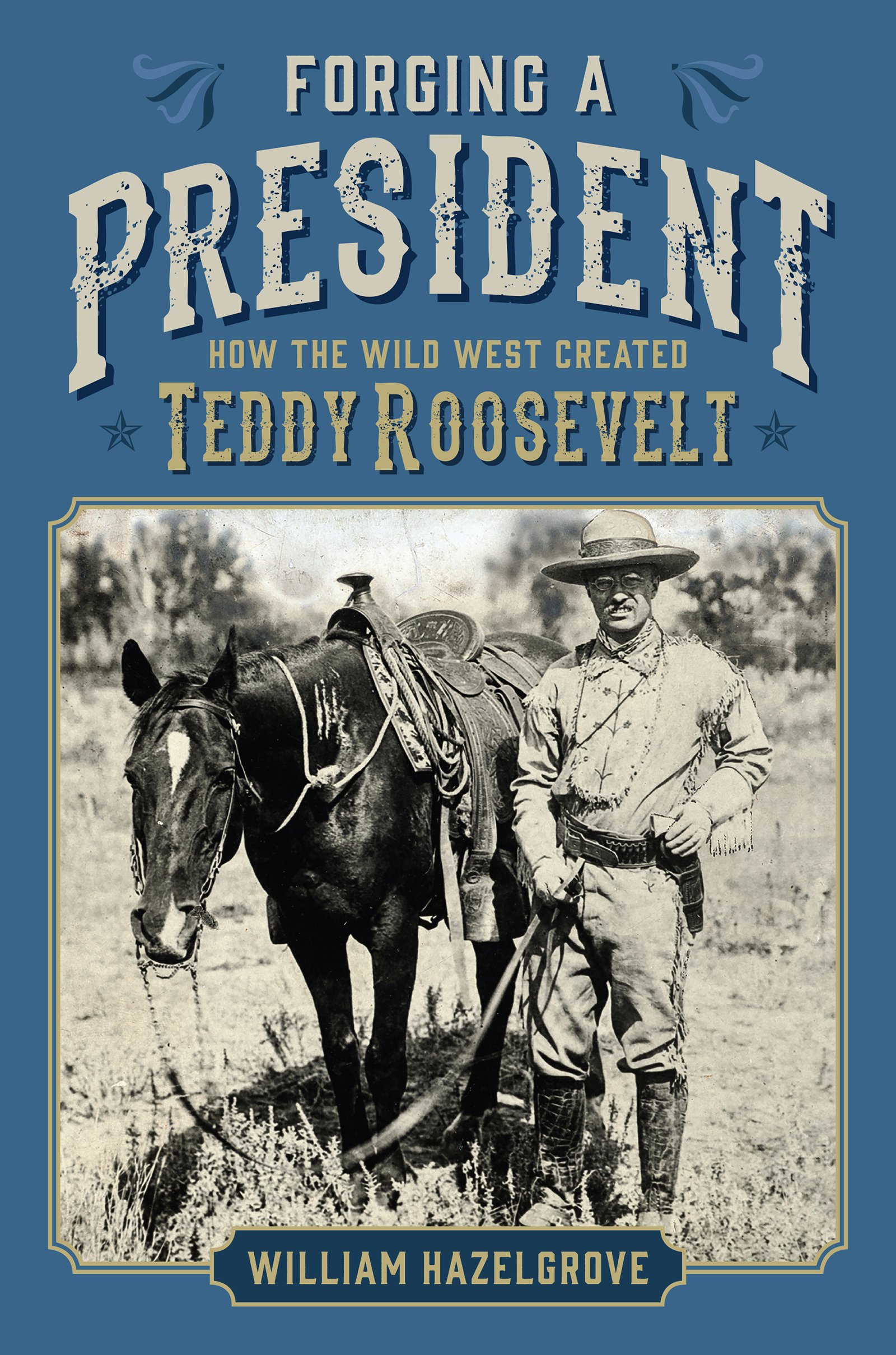
President Theodore Roosevelt was, as Glenn Beck has reminded us, a progressive--almost as much of one, in some ways, as his younger relatives Eleanor and Franklin. But he was (and they were) such admirable, inspirational progressives...decent people who fought hard to overcome real hardships and do what they believed to be the right thing.